
Analysis of Risk Assessment in Funding Renewable Energy Projects in New Zealand
Understanding the Risks in Renewable Energy Funding in New Zealand
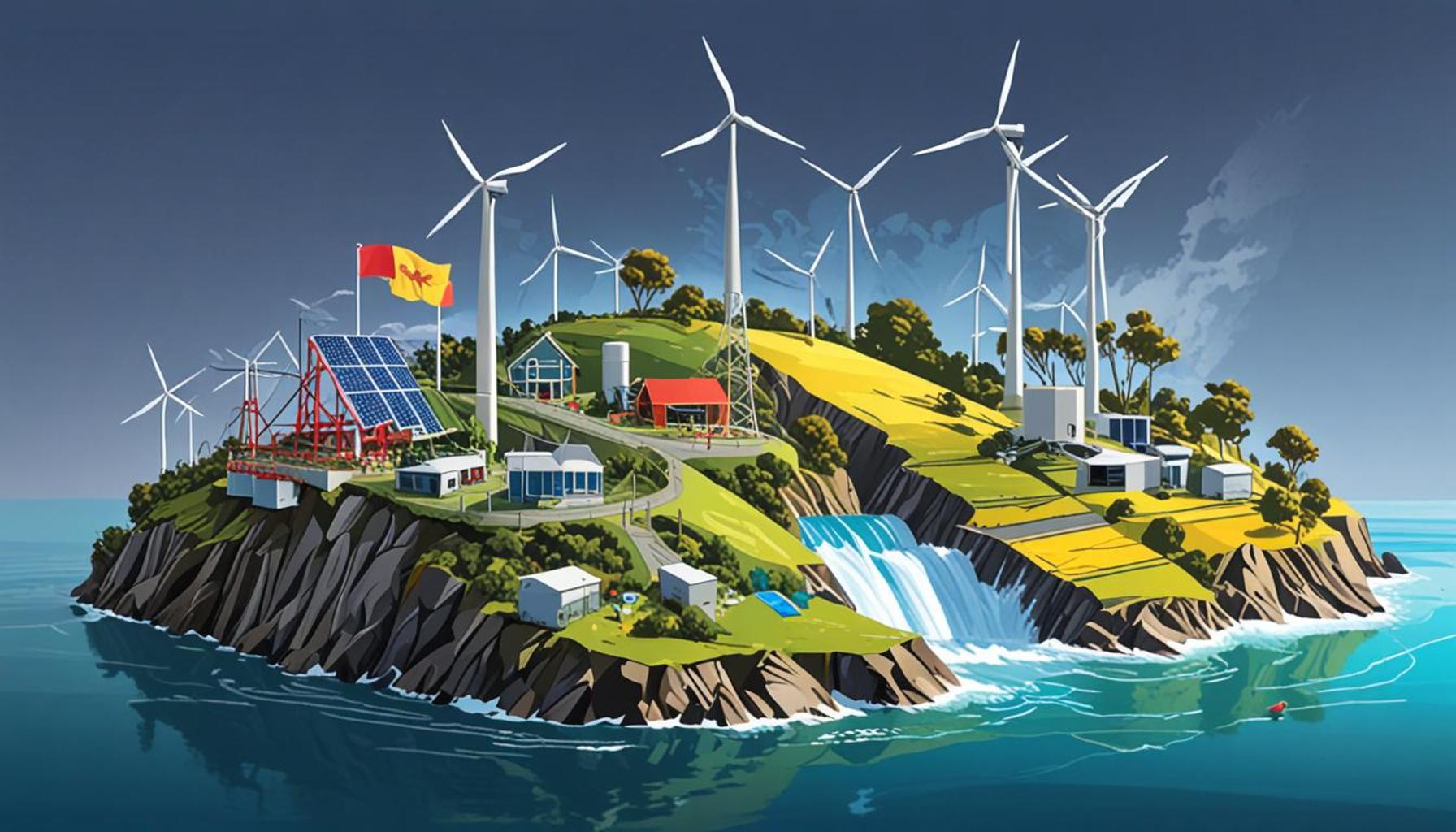
New Zealand has emerged as a leader in the shift toward renewable energy, guided by a strong commitment to sustainability and the reduction of greenhouse gas emissions. As this sector gains momentum, it’s crucial to recognize the risks associated with funding these projects. Addressing these risks is essential to ensure that investments are safe, sustainable, and ultimately successful. Let’s break down the key categories of risks that stakeholders need to consider in New Zealand’s unique energy landscape.
Financial Risks
Financial risks can significantly impact the viability of renewable energy projects. In New Zealand, these may stem from fluctuations in market conditions, such as changes in electricity prices or unexpected shifts in interest rates. For example, a solar energy project that relies on certain financial incentives may find itself in a difficult position if government subsidies are reduced or eliminated. Additionally, unexpected increases in project costs—due to factors like material shortages or labor increases—can jeopardize a project’s financial structure.
Environmental Risks
With the escalating impacts of climate change, environmental risks cannot be overlooked. Renewable energy projects must navigate regulatory frameworks that govern their environmental footprint. For instance, hydropower initiatives may face scrutiny regarding their effects on local ecosystems or water usage. Furthermore, unpredictable weather patterns could affect the efficiency of wind turbines or solar panels, challenging the reliability of energy production. Understanding local environmental legislation and how it might evolve is key in managing these risks effectively.
Technical Risks
Technical risks encompass potential issues related to technology performance and reliability. In New Zealand, as more developers explore innovative technologies, such as floating wind farms or battery storage solutions, the risk of technology failure becomes a concern. If a new technology does not perform as expected, it could lead to higher operational costs or lower energy output, undermining the project’s financial viability. Rigorous testing and proven performance metrics are essential in selecting technologies to mitigate these risks.
Political Risks
The landscape of renewable energy is inherently influenced by political risks, including changes in government policies that could affect funding opportunities. For example, shifts in political leadership could result in a change of priorities, where a newly elected government may favor fossil fuels over renewable projects. Stakeholders must stay informed about political developments and engage with policymakers to advocate for stable, long-term support for renewable initiatives.
In conclusion, understanding and evaluating these risks—financial, environmental, technical, and political—is essential for stakeholders involved in New Zealand’s renewable energy sector. By conducting thorough risk assessments, investors and project developers can better navigate challenges and contribute to a sustainable energy future. Through careful planning and proactive engagement, New Zealand can continue to lead the way in renewable energy while safeguarding investments necessary for the nation’s environmental goals.
SEE ALSO: Click here to read another article
Evaluating the Key Risks in Renewable Energy Financing
As New Zealand continues its shift towards renewable energy sources, understanding the complexities of risk assessment is fundamental to securing effective funding. Beyond just financial backing, various risk factors interact to influence the success of renewable energy projects. This section delves into several critical risk categories: regulatory, market, and operational risks, all of which play a vital role in shaping the funding landscape.
Regulatory Risks
Regulatory risks arise from the suite of legal frameworks and policies that govern renewable energy projects. In New Zealand, these regulations can vary significantly based on local councils and national policies. For instance, proposed wind farms may need to obtain various consents and follow environmental assessments, which can be time-consuming and costly. A project that fails to meet regulations could face delays or even cancellation, significantly impacting financial returns. It is vital for developers to engage early with regulatory bodies to understand processes and secure the necessary consents.
Market Risks
Market risks encompass the volatility in energy prices and demand, which can influence the stability of revenues. In a competitive market, if the price of renewable energy fluctuates due to external factors like global energy prices or changes in energy policy, this fluctuation can directly affect profit margins for projects. Similarly, new entrants into the energy sector can create oversupply issues, pushing prices down. Stakeholders should conduct thorough market analyses to anticipate potential price shifts and develop robust strategies to manage these uncertainties.
Operational Risks
When it comes to renewable energy projects, operational risks refer to the potential for disruptions during the production process. Factors such as equipment failure, inadequate maintenance, or supply chain disruptions create challenges that can hinder the performance of energy projects. For instance, a solar farm that relies on imported panels may experience delays if international shipping issues arise, directly affecting energy generation schedules. To mitigate these risks, establishing a strong operational framework with reliable maintenance plans and diversifying supply chains can ensure smoother operations.
Strategies for Risk Mitigation
To successfully navigate these risks, stakeholders can employ various strategies:
- Engagement with stakeholders: Collaborating with local communities, regulatory bodies, and industry groups helps build support and aligns project goals with regional expectations.
- Comprehensive insurance: Investing in insurance products designed for renewable energy projects can provide financial protection against unexpected events.
- Diverse financing structures: Utilizing a mix of debt, equity, and grants allows projects to be more resilient to financial shocks.
By recognizing and addressing regulatory, market, and operational risks, stakeholders in New Zealand’s renewable energy sector can strengthen their projects’ foundations. This proactive approach to risk assessment not only safeguards investments but also contributes to the broader goal of fostering a sustainable energy future for the nation.
CHECK OUT: Click here to explore more
Financial and Technological Risks in Renewable Energy Projects
While regulatory, market, and operational risks are critical to understanding risk assessment in renewable energy projects, it is equally important to recognize the financial and technological risks involved. These elements can significantly affect project viability and funding opportunities in New Zealand’s evolving energy landscape.
Financial Risks
Financial risks refer to uncertainties related to financing sources, project budgets, and overall cost management. In the renewable energy sector, the initial investment costs can be substantial, requiring careful consideration of funding structures. For instance, solar power installations necessitate significant upfront capital for the purchase of panels and installation services. If a project overestimates its budget or faces unexpected costs due to price changes in materials or labor, it could lead to financial shortfalls. This situation is particularly concerning when depreciation and performance guarantees play a role in expected returns on investment.
Moreover, reliance on external financing sources poses additional risks. A project funded primarily through loans might face difficulties if interest rates increase, leading to steeper repayment costs. To mitigate these concerns, developers can consider establishing a detailed financial plan that includes contingencies for cost overruns and fluctuating financial conditions. Structured financing options, like green bonds, can also facilitate access to funds while aligning with environmental goals.
Technological Risks
Technology is a driving force behind advancements in renewable energy, yet it also introduces technological risks. Emerging technologies in energy storage, solar panels, and wind turbines are often subject to rapid innovation cycles. For instance, if a project invests heavily in a particular technology that later becomes outdated or inadequately performs, it could jeopardize the expected energy output and profitability. An example would be the adoption of early-generation wind turbines that later faced challenges in efficiency compared to newer models.
To counter technological risks, fostering partnerships with reliable suppliers and investing in research and development can prove beneficial. This approach allows developers to stay abreast of technological advancements and adapt their projects accordingly. Additionally, pilot-testing new technologies on a smaller scale before full-scale implementation can help identify potential challenges in real-world applications.
Environmental Risks
In New Zealand, environmental factors also play a significant role in risk assessment. These environmental risks can stem from climate change impacts, natural disasters, or changes in ecosystem dynamics. For instance, increased severity in weather events could potentially damage renewable energy infrastructure like wind turbines or solar farms. Regions heavily reliant on hydropower could face risks from droughts that diminish water supply. Understanding and preparing for these challenges is crucial; having a comprehensive disaster recovery and climate adaptation strategy is essential to maintain continuous operation and funding stability during adverse conditions.
Combined Risk Management Approaches
To create a robust risk management framework, stakeholders should consider employing combined approaches that encompass all identified risks. For instance, supplementing financial risk assessments with technology evaluations can yield valuable insights into the viability of investment strategies based on current and future trends. In addition, using simulations and modeling tools can help stakeholders visualize the potential impacts of various risks and develop adaptive strategies accordingly.
In summary, understanding financial, technological, and environmental risks allows key stakeholders in New Zealand’s renewable energy sector to anticipate potential challenges effectively. Through a comprehensive risk management approach, projects can be better positioned to secure necessary funding and contribute meaningfully to the country’s renewable energy goals.
SEE ALSO: Click here to read another article
Conclusion
In conclusion, the analysis of risk assessment in funding renewable energy projects in New Zealand reveals a multifaceted landscape of challenges and opportunities. As we have explored, the intersection of financial, technological, and environmental risks requires a meticulous approach to ensure project viability and sustainability. The substantial initial investments in renewable technologies, such as solar and wind, necessitate careful financial planning and management. Stakeholders must remain vigilant about market fluctuations and interest rates, integrating flexible financing mechanisms like green bonds to protect against financial vulnerabilities.
Furthermore, as technology rapidly evolves, staying ahead of potential technological risks is crucial for ensuring long-term success. Collaborative partnerships and pilot testing can help stakeholders navigate the uncertainty of new advancements, allowing for a more adaptive project implementation strategy. Equally important is addressing environmental risks, which pose tangible threats to project integrity and efficiency. Developing robust climate adaptation and disaster recovery plans can safeguard investments against unforeseen environmental challenges.
Ultimately, adopting a comprehensive risk management framework that holistically evaluates and integrates all identified risks empowers stakeholders to make informed decisions. Through proactive risk assessment and mitigation strategies, New Zealand can enhance its commitment to renewable energy development, contribute to global sustainability goals, and secure a resilient energy future. As the country continues to navigate this dynamic landscape, taking thoughtful steps toward understanding and managing risks will be pivotal in realizing its renewable energy ambitions.

Linda Carter
Linda Carter is a writer and financial expert specializing in personal finance and financial planning. With extensive experience helping individuals achieve financial stability and make informed decisions, Linda shares her knowledge on our platform. Her goal is to empower readers with practical advice and strategies for financial success.