
Impact of Climate Change on Financial Risk Assessment in New Zealand Agricultural Sectors
Understanding the Financial Risks in Agriculture
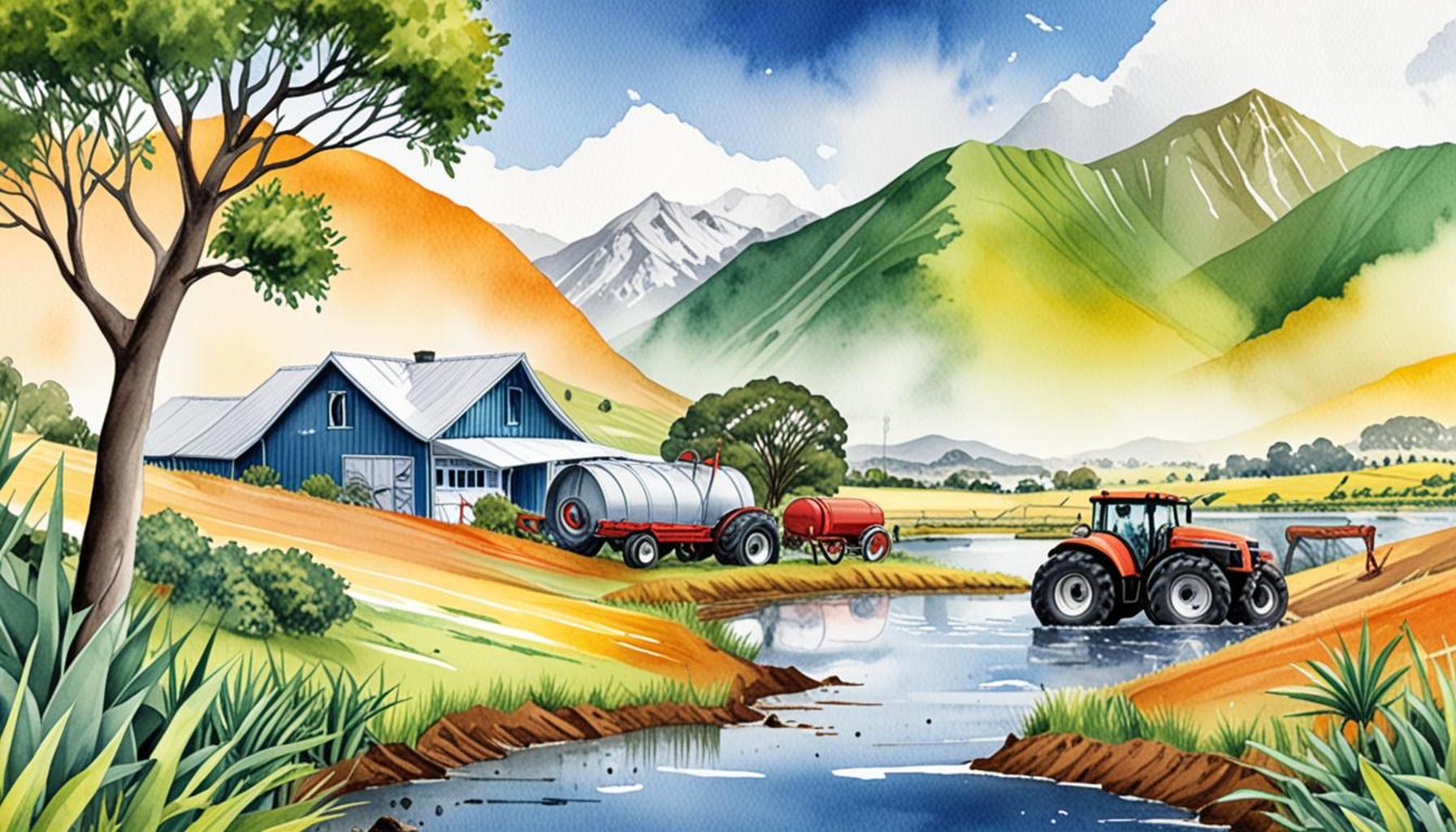
Climate change is affecting how we farm, pushing farmers, investors, and policymakers to rethink their strategies in New Zealand’s vital agricultural sector. As the country grapples with changing weather patterns, it is crucial that stakeholders understand the financial risks that come with these changes. These risks not only jeopardize crop yield and livestock health but also have far-reaching implications for the economy.
Challenges Farmers Face
Farmers are on the front lines when it comes to the challenges presented by climate change. One major issue they encounter is unpredictable weather. For instance, regions that were once known for reliable rainfall may suddenly face extended droughts. Such conditions can adversely impact crop health and reduce overall yields. Conversely, when heavy rains lead to flooding, crops may be washed away or damaged beyond recovery, further exacerbating losses.
In addition to changing weather patterns, farmers must also contend with pest and disease outbreaks. Warmer temperatures can create an ideal environment for various pests and diseases that were previously not prevalent in New Zealand. For example, the spread of the Queensland fruit fly could threaten the apple and pear industries, leading to significant economic losses. Such outbreaks require farmers to escalate spending on pest management and crop protection, thus impacting their financial stability.
Market volatility is another critical factor. Climate change can cause sudden shifts in supply and demand, resulting in fluctuating prices for agricultural products. For example, if a particular crop faces reduced yields due to drought, prices might soar temporarily due to scarcity. However, this volatility can create uncertainty for farmers who need stable income to sustain operations.
The Broad Financial Implications
The financial implications of climate-related risks extend beyond just the farmers in the fields. They also affect the broader agricultural economy, influencing loan accessibility. Banks and financial institutions may hesitate to lend money to farmers operating in high-risk areas, fearing default when crops fail. This restricted access to loans can hinder short-term capital needed for seeds and equipment, stunting growth and productivity.
Moreover, the increased frequency of natural disasters can lead to heightened insurance premiums, making it more expensive for farmers to protect their assets. In some cases, insurers may even pull out of high-risk zones altogether, leaving farmers without coverage when they need it most.
Long-term investments are also at stake. Investors may rethink the viability of projects in areas prone to climate impacts, which can slow down technological advancements and modernization in the agricultural sector. For instance, a dairy farm looking to upgrade its facilities may find it harder to attract investment if the perceived risks are high.
Adapting to an Evolving Landscape
To mitigate these risks, it is essential for all stakeholders to include climate risk assessments in their financial decision-making processes. By doing so, they can make informed choices that enhance not just agricultural productivity but also safeguard New Zealand’s economy. By promoting sustainable practices and investing in resilient farming technologies, New Zealand can adapt to the challenges of climate change while ensuring that its agricultural sector remains robust and profitable for future generations.
CHECK OUT: Click here to explore more
Assessing Financial Risks Through Climate Lenses
As climate change continues to reshape the agricultural landscape in New Zealand, the need for accurate and comprehensive financial risk assessment becomes increasingly apparent. The financial health of farmers and the agricultural economy hinges not only on traditional metrics of profitability but also on the implications of climate change. This necessitates a shift in how risks are identified, assessed, and managed.
The Importance of Data-Driven Risk Assessment
To effectively evaluate the financial risks posed by climate change, stakeholders must rely on data-driven insights. This involves collecting and analyzing climate data, which can help predict weather patterns and their potential effects on agricultural outputs. The integration of tools such as satellite imagery, weather forecasts, and agricultural models can provide crucial information that guides decision-making. For example, farmers using climate data can better plan their planting and harvesting schedules to align with expected weather changes, increasing productivity and minimizing losses.
Risk assessment frameworks must evolve to incorporate climate projections. Some of the factors that should be taken into account include:
- Historical weather patterns: Understanding past trends can help predict future conditions and prepare for unusual events.
- Regional climate variations: Different areas in New Zealand may face unique climate challenges, such as varying rainfall and temperature ranges.
- Projected climate scenarios: Long-term projections can guide farmers and investors toward sustainable practices that reduce environmental impact and financial losses.
Another critical component of financial risk assessment is recognizing the relationship between operational costs and climate impacts. As environmental conditions change, farmers may face rising costs associated with mitigation strategies, such as purchasing drought-resistant seeds or investing in water-efficient irrigation systems. Understanding these expenses in the context of climate change can help farmers maintain positive cash flow and operational viability during adverse conditions.
The Role of Government and Policy Interventions
Government policies and incentives play a pivotal role in financial risk management for the agricultural sector. For instance, support programs focused on sustainable farming practices not only protect the environment but also provide farmers with the necessary resources for adaptation. Subsidies for innovative farming technologies or assistance in disaster recovery can enhance resilience and ensure farmers remain financially stable despite climatic challenges.
Moreover, effective policy frameworks can facilitate collaboration between farmers, researchers, and financial institutions. This cooperation encourages the development of tailored financial products designed explicitly for the agriculture sector, taking into account the unique challenges posed by climate change. For example, crop insurance products that consider climate risks specific to New Zealand could become a valuable tool for risk management, providing security against severe weather events.
To summarize, the intersection of climate change and financial risk assessment in New Zealand’s agricultural sector requires a multifaceted approach. By prioritizing data-driven insights, understanding operational costs, and leveraging government support, farmers and stakeholders can navigate the financial implications of climate change more effectively, ultimately securing a sustainable future for agriculture in the country.
SEE ALSO: Click here to read another article
Resilience Building Through Strategic Investments
As New Zealand’s agricultural sector grapples with the financial implications of climate change, the focus on resilience building through strategic investments becomes imperative. Investment in sustainable practices not only mitigates climate risks but also enhances long-term financial viability. Farmers who prioritize investments in adaptive technologies and sustainable methodologies are better positioned to withstand the financial impacts of unpredictable weather patterns.
Investing in Technology and Infrastructure
Technology adoption plays a crucial role in enhancing resilience within agricultural systems. For instance, precision agriculture utilizes data analytics and sensor technology to optimize resource use, resulting in cost savings and increased yields. Farmers who implement such technologies can reduce input costs while minimizing their environmental footprint. A practical example is the use of soil moisture sensors, which allow farmers to monitor water levels and apply irrigation only when necessary. This not only conserves water but also reduces energy and operational costs, aligning with both environmental and financial sustainability goals.
In addition to technological investments, enhancing physical infrastructure is another key strategy. Upgrading irrigation systems to include more efficient designs helps mitigate the impact of droughts, while establishing better drainage systems can protect against flooding. These infrastructural improvements reduce the risk of crop loss during extreme weather events and ensure a steady production flow, leading to more reliable income streams for farmers.
Diversification as a Risk Management Strategy
Diversifying crops and income sources is another effective approach to mitigate financial risks associated with climate change. By growing a variety of crops or engaging in different agricultural activities, farmers can safeguard themselves against the uncertainties of climate variability. For instance, a farmer who traditionally cultivated only dairy might consider incorporating horticulture or alternative crops such as avocados or kiwifruit, which may thrive under changing climatic conditions.
Diversification does not just protect farmers financially; it also contributes to gaps in supply chains created by climate events, thus enhancing overall food security. When one sector faces challenges due to climate-related impacts, another may continue to perform well, providing the necessary financial cushion.
Financial Tools and Risk Transfer Mechanisms
The availability of appropriate financial instruments is vital for farmers to manage climate-related risks effectively. Risk transfer mechanisms such as weather derivatives and index-based insurance can provide farmers with financial security during adverse climatic events. For example, a crop insurance policy that pays out based on rainfall levels can help farmers recover quickly from losses due to drought, allowing them to re-invest in their operations without facing crippling debt.
Moreover, financial institutions are increasingly recognizing the risks posed by climate change, leading to the creation of more tailored loan products that take environmental factors into consideration. These products may offer lower interest rates or longer terms for farmers who invest in sustainable practices, providing incentives for adopting greener methods while maintaining financial stability.
In this evolving landscape, it’s clear that incorporating sustainability into financial risk assessments will empower New Zealand’s agricultural sector to remain resilient in the face of climate challenges. Through strategic investments, diversification, and innovative financial tools, farmers can not only protect their livelihoods but also contribute to a more sustainable and secure agricultural future for the country.
CHECK OUT: Click here to explore more
Conclusion
In summary, the impact of climate change on financial risk assessment in New Zealand’s agricultural sectors cannot be overstated. Farmers face heightened uncertainty that demands a proactive approach to managing risks. The integration of sustainable practices, technology investment, and diversification strategies equips farmers not only to mitigate the financial risks associated with adverse climate scenarios but also to thrive in an ever-changing environment.
Moreover, the role of financial instruments is essential in providing the necessary safety nets for farmers. By leveraging risk transfer mechanisms and tailored loan products, agricultural producers can navigate through climate-related uncertainties more effectively. The emphasis on sustainability in financial assessments ensures that farmers who adopt eco-friendly practices enjoy financial incentives, promoting a dual goal of environmental stewardship and economic stability.
Looking ahead, it is vital for stakeholders, including policymakers, financial institutions, and farmers, to collaborate on crafting resilient agricultural frameworks. This partnership is key to fostering innovation, supporting adaptive strategies, and ensuring New Zealand’s agriculture not only survives the challenges posed by climate change but also flourishes for future generations. Ultimately, a holistic approach that prioritizes sustainability and resilience will safeguard both the agricultural economy and New Zealand’s unique environment, proving that long-term viability aligns with ecological responsibility.

Linda Carter
Linda Carter is a writer and financial expert specializing in personal finance and financial planning. With extensive experience helping individuals achieve financial stability and make informed decisions, Linda shares her knowledge on our platform. Her goal is to empower readers with practical advice and strategies for financial success.