
The Impact of Climate Change on the Analysis of the Australian Agricultural Market
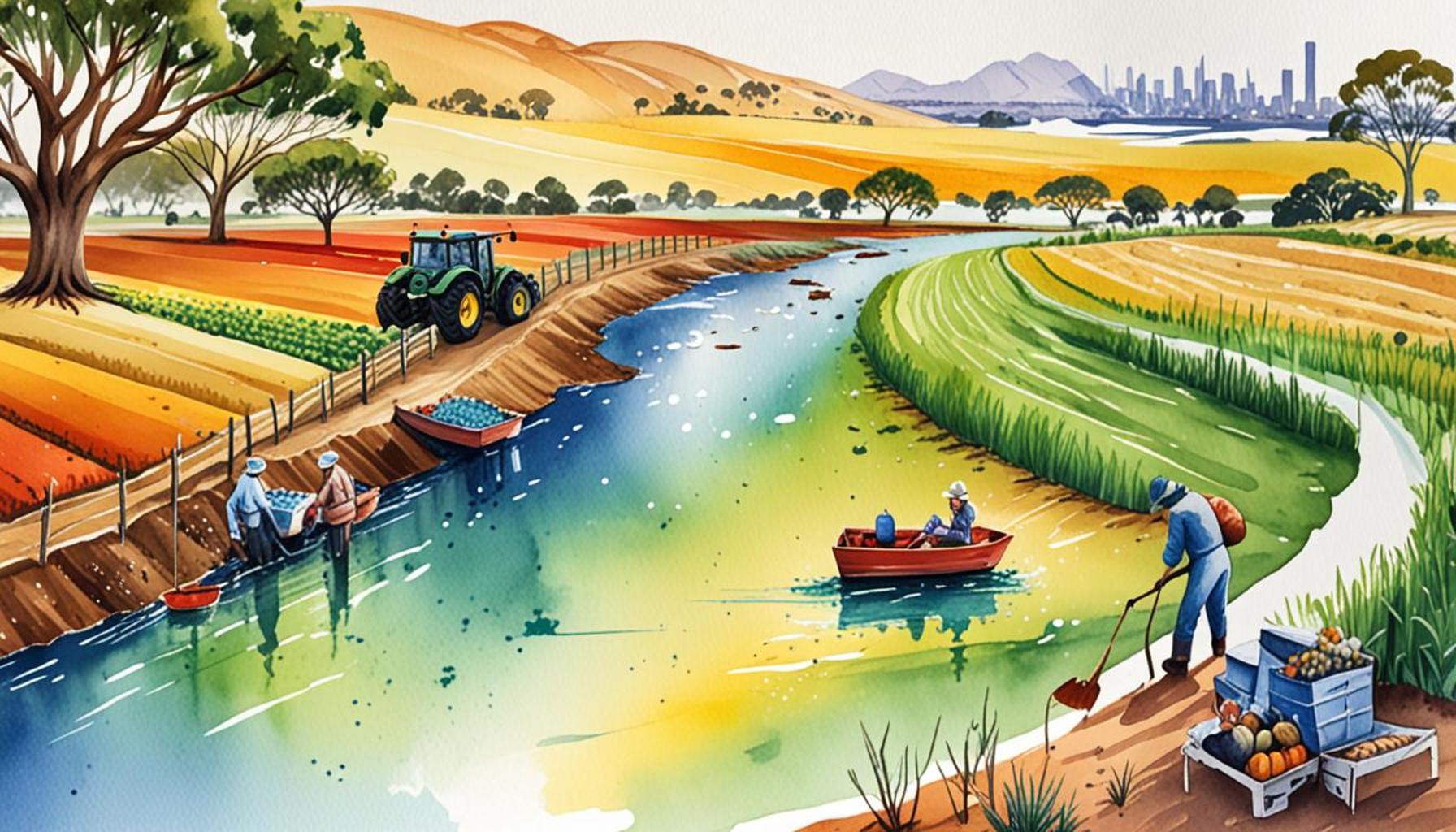
The Impact of Climate Change on Australian Agriculture
As the challenges posed by climate change become increasingly critical, they are reshaping the very fabric of the Australian agricultural market. Farmers find themselves wrestling with not just unpredictable weather patterns but also escalating uncertainties surrounding their productivity and overall market stability. This reality compels us to pause and reflect on our individual and collective actions, deeply considering how these decisions can profoundly impact our food systems and financial landscapes.
Australia’s unique environment places it on the front lines of climate change. For instance, intense droughts have become more frequent and prolonged, drastically reducing crop yields of staple produce like wheat and barley, which are critical sources of income for farmers. Once reliable seasons are now unpredictable, leaving many rural families in a state of economic anxiety as they struggle to adapt their practices to an uncertain future.
Moreover, flood events have the potential to devastate not only livestock but also the essential infrastructure that supports agricultural operations, such as fencing and farm buildings. The aftermath of these floods can be devastating, often leading to loss of livestock and the destruction of entire crops, further heightening the sense of vulnerability faced by our farmers.
Additionally, temperature fluctuations contribute to more complex and erratic farming cycles. The once-dependable seasons no longer align with traditional planting and harvesting times. For example, grape harvests in regions like the Barossa Valley are now being disrupted by unseasonably high temperatures, impacting the quality of wine production. Such shifts not only challenge agricultural practices but also threaten the livelihoods attached to them.
As consumers and investors, it is vital to recognize the far-reaching implications of these changes. The issues faced by farmers extend beyond rural communities and touch every aspect of our daily lives. These transformations can lead to:
- Increased prices at the supermarket as a result of higher production costs and reduced supply.
- Threats to local economies as farmers face decreased incomes, impacting their purchasing power and community sustainability.
- The long-term viability of traditional agricultural practices, necessitating a shift towards more sustainable methods that can endure in changing climates.
By fostering a deeper understanding of the impacts of climate change on agriculture, we empower ourselves to make more informed and responsible financial decisions. Supporting local farmers, opting for seasonal produce, and investing in sustainable practices are just a few ways we can contribute to a more resilient agricultural future. Together, we can engage with the pressing issues surrounding our food systems and economy, ensuring that we not only protect our environment but also secure a stable and nourishing future for generations to come.
CHECK OUT: Click here to explore more
Understanding the Consequences of Climate Change on Agricultural Trends
To comprehend the impact of climate change on Australia’s agricultural market, it is essential to recognize the intricate relationship between environmental changes and agricultural production. Rural Australia is home to many diverse and vital agricultural sectors, including grains, livestock, and horticulture. However, as climate change alters our natural systems, this diversity is put at risk, calling for immediate attention and adaptive measures.
The effects of climate change are multifaceted, and they manifest in various ways that directly influence agricultural output. The Australian Bureau of Agricultural and Resource Economics and Sciences (ABARES) has documented the gradual warming patterns and increasing frequency of extreme weather events that have begun to disrupt traditional farming operations. These shifts compel farmers to reconsider crop diversity and management practices in order to respond effectively to the evolving climate conditions.
Water scarcity is one of the critical challenges confronted by Australian farmers. The increasing occurrence of long-lasting droughts directly impacts irrigation availability. Many farmers have had to pivot towards more drought-resistant crops to safeguard the sustainability of their farms. This transition can be resource-intensive, often requiring significant investment in new technologies and training. Yet, the question of viability arises: Can we innovate quickly enough to keep pace with these rapid changes?
The shift in pest and disease patterns poses another layer of complexity for the agricultural sector. Warmer temperatures can fuel the proliferation of pests and diseases that threaten both crops and livestock. As farmers strive to protect their yields, the dependence on chemical pesticides increases, which raises concerns about environmental health and the long-term implications for soil quality. Farmers are now finding themselves at a crossroads, where the urgency to protect their harvest must be balanced against sustainable practices.
Moreover, with the global market increasingly interconnected, Australian farmers are feeling the pressure from international competitors. The fluctuation in agricultural exports due to climatic instability adds uncertainty to trade dynamics. For instance, when local yields decline, Australia risks losing its stronghold in markets that rely heavily on imports of key agricultural products, like grains and meat. This can have potential consequences for job security and economic growth within rural communities.
To better navigate these challenges, farmers, along with policymakers and researchers, are exploring new agricultural adaptations and innovations. They are embracing regenerative farming practices, investing in drought-resistant crops, and implementing water conservation measures to ensure future resilience. These proactive approaches stand as beacons of hope in the face of adversity.
As consumers, it is essential for us to engage with these developments thoughtfully. Our choices at the grocery store, such as opting for locally sourced, seasonal products, can support farmers adapting to these challenges. In doing so, we not only safeguard our agricultural future but also play an active role in cultivating stronger, more resilient communities across Australia.
- Awareness of local farming practices can help consumers understand the implications of their purchases.
- Promoting sustainable practices fosters an environment for innovation and long-term agricultural health.
- Engaging with local markets can provide farmers with the stability they need to adapt to changing climates.
CHECK OUT: Click here to explore more
Resilience and Innovation: Farmers at the Forefront
As Australian farmers grapple with the realities of climate change, their capacity for resilience and innovation has become one of the most remarkable stories within the agricultural sector. With climate patterns unpredictably shifting, farmers are not just passive observers but active participants forging new paths for themselves and future generations. Their dedication is both inspiring and essential, fostering a sense of hope amidst the daunting challenges they face.
A prime example of adaptation is the increasing interest in permaculture and agroecological practices. These methods focus on working harmoniously with nature, aiming to create sustainable ecosystems that enhance biodiversity while improving yields. Farmers who incorporate strategies such as crop rotation, intercropping, and organic soil management demonstrate that agricultural productivity can be achieved without relying heavily on synthetic inputs. The Australian Centre for International Agricultural Research (ACIAR) supports various initiatives that guide farmers in enhancing these practices, signifying a shift in both mindset and methodology.
Technological advancements have a crucial role to play in this transformation. From precision farming techniques that optimize water use, to drone technology for monitoring crop health, Australian farmers are increasingly leveraging innovation to combat climate-related challenges. For instance, the adoption of soil moisture sensors enables farmers to make informed irrigation decisions, resulting in reduced waste and improved crop resilience. Moreover, data analytics can provide insights into weather patterns, allowing farmers to better anticipate and respond to adverse conditions. These technologies empower farmers, turning them into stewards of the land capable of adapting to climatic challenges.
In addition to technological innovations, community engagement and collaboration are fundamental to fostering resilience. Local farming cooperatives and networks allow for the sharing of knowledge and resources, helping farmers collectively tackle issues posed by climate change. Engagement with agricultural extension services also ensures that farmers remain well-informed of best practices and emerging trends. As communities strengthen their ties, a sense of solidarity emerges, driving local initiatives that support sustainable farming practices.
The concept of climate-smart agriculture is now gaining traction in Australia, underscoring the importance of adapting systems to be more resilient and sustainable. This approach encourages practices that actively mitigate climate change impact, such as implementing cover crops that absorb carbon dioxide, thereby assisting in reducing greenhouse gas emissions. The integration of practices with a focus on resilience not only aids farmers in sustaining their livelihoods but lays a foundation for a more sustainable agricultural future.
As stakeholders across the agricultural spectrum seek to understand climate risks, investment in research and development becomes paramount. Programs like the National Landcare Fund aim to support pivotal projects that drive innovation in farming techniques. Partnering institutions, such as universities and research organizations, play a critical role in equipping farmers with the tools they need to adapt and thrive in a changing environment.
- Investing in education allows farmers to stay updated on best practices.
- Collaboration among farmers can lead to valuable exchange of resources and knowledge.
- Promoting eco-friendly practices not only benefits farmers but also enhances community wellbeing.
Ultimately, aware consumers have a role to play in this journey. By prioritizing products from farmers who adopt climate-conscious practices, we can influence market dynamics and cultivate a demand for sustainability. Together, we can uplift our agricultural landscape, celebrating the spirit of adaptation and perseverance that defines Australia’s farmers.
CHECK OUT: Click here to explore more
Conclusion: A Path Towards Sustainable Futures
The impact of climate change on the Australian agricultural market presents challenges that require urgent attention and innovative solutions. As we have explored, farmers are not simply victims of environmental changes but rather active agents demonstrating resilience and creativity. Through practices such as permaculture, technology adoption, and strong community ties, Australian agriculture is evolving amidst uncertainties.
Embracing a climate-smart agriculture framework not only protects our vital farming sectors but also fosters environmental stewardship. As these adaptations become more widespread, they provide hope and a clear path towards sustainable farming that aligns with the needs of both producers and consumers. It is essential for all stakeholders—from farmers to consumers—to prioritize practices that contribute to a more resilient agricultural landscape. By investing in education and supporting collaborative initiatives, we can empower farmers to thrive in a changing climate.
Moreover, as consumers, our choices hold immense power. By opting for products cultivated with eco-friendly methods, we signal our demand for sustainability, thus altering market dynamics in favor of responsible practices. This collective action can drive meaningful change, encouraging farmers to adopt climate-conscious approaches and protecting our precious land for future generations. Together, we can navigate the challenges posed by climate change, united in our commitment to support Australia’s agricultural heritage while securing a brighter, more sustainable future.

Linda Carter
Linda Carter is a writer and financial expert specializing in personal finance and financial planning. With extensive experience helping individuals achieve financial stability and make informed decisions, Linda shares her knowledge on our platform. Her goal is to empower readers with practical advice and strategies for financial success.