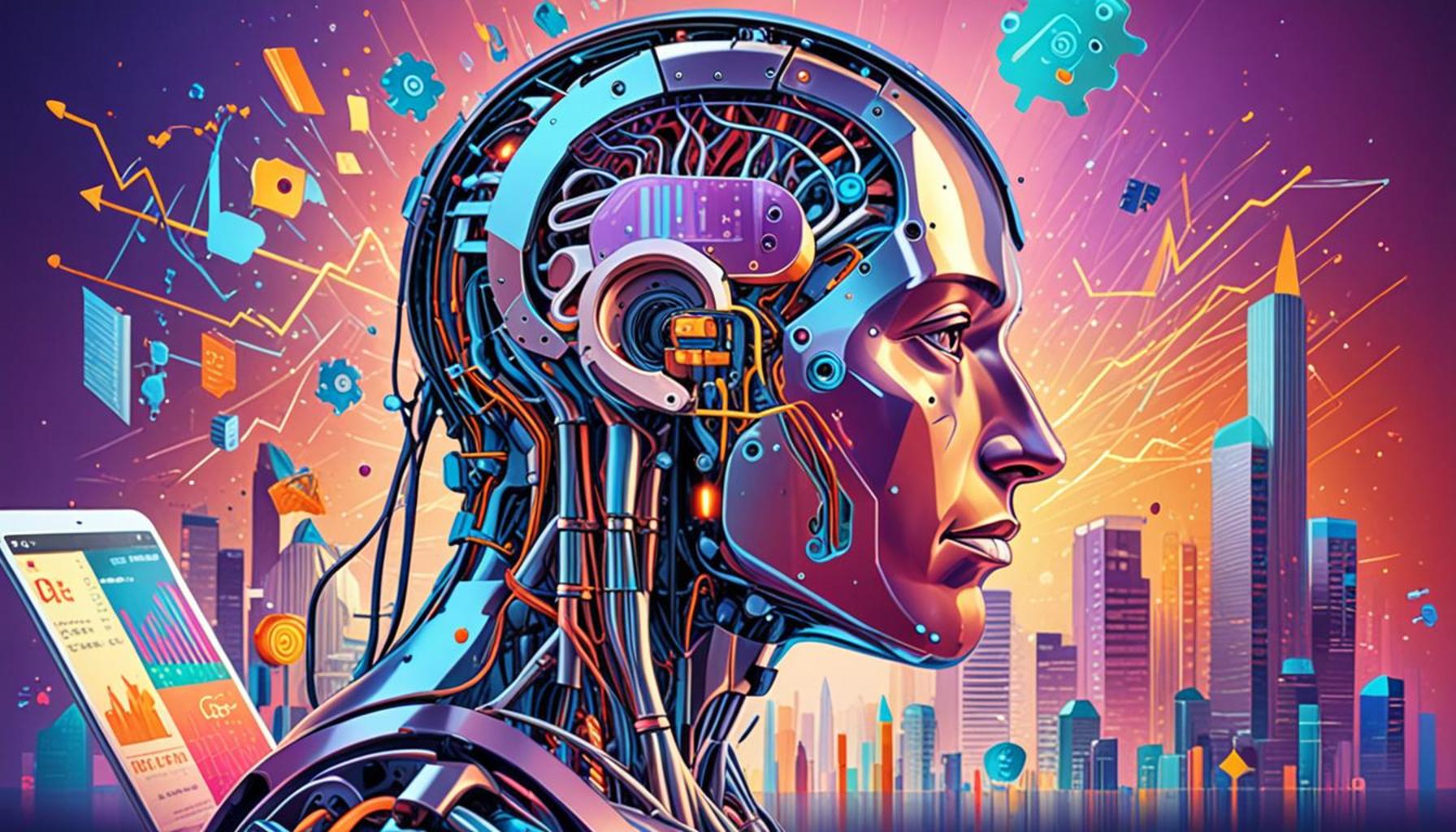
The Future of Market Analysis: Integrating Big Data and Machine Learning Algorithms

Understanding the Evolution of Market Analysis
The landscape of market analysis is undergoing significant transformation, fueled by remarkable advancements in big data and machine learning algorithms. These technologies empower companies to sift through vast amounts of information, uncovering valuable patterns and insights that were once elusive. This evolution is not just a fleeting trend; it signifies a fundamental change in how businesses decipher consumer behavior and formulate strategic initiatives.
One of the most significant impacts of this transformation is seen in enhanced predictive analytics. Organizations can now leverage sophisticated algorithms to anticipate market trends with incredible precision. For instance, retailers utilize these tools to analyze purchasing patterns and predict which products are likely to be popular during certain seasons. This capability allows businesses to optimize their inventory, reduce waste, and ultimately enhance their bottom line.
Another groundbreaking element is real-time data processing. In an era where consumer preferences and market conditions can shift overnight, immediate access to streaming data is paramount. For example, financial institutions continuously monitor stock prices and social media sentiment to make swift investment decisions. The ability to analyze data as it flows enables companies to respond to market changes almost instantaneously, making agile decision-making a crucial competitive advantage.
Moreover, the integration of big data with machine learning heralds a new age of personalized marketing strategies. Brands can now tailor their marketing efforts to meet individual preferences and behaviors, significantly increasing customer satisfaction and loyalty. Consider streaming services like Netflix, which employs algorithms to analyze user behavior and recommend shows based on viewing history, resulting in a highly personalized user experience that keeps subscribers engaged.
The merger of these technologies creates a powerful environment for generating actionable insights. As data is processed, machine learning models can reveal hidden opportunities, such as identifying underserved markets or optimizing product offerings based on customer feedback. This paradigm shift enables companies to innovate continuously and tackle business challenges with newfound creativity.
As businesses and analysts adjust to this new technological landscape, the ramifications across different industries will be profound. Companies that learn how to harness the power of big data and machine learning will not only survive but thrive in the competitive marketplaces of the future. Being equipped with these advanced analytical tools will become a hallmark of success, illustrating how vital it is for organizations to evolve with the changing tides of technology.
DON’T MISS OUT: Click here to find the perfect credit card for you
Transforming Decision-Making through Data-Driven Insights
The infusion of big data and machine learning algorithms into market analysis is reshaping how businesses approach decision-making. Historically, market analysis relied heavily on intuition and experience, often leading to generalized insights that could fail to resonate with specific consumer segments. Today, these advanced technologies enable organizations to support their strategies with concrete data, thereby fostering a more informed and pragmatic approach to understanding markets.
At the core of this transformation lies the concept of data democratization. No longer reserved for data scientists or specialized analysts, insightful data is now accessible to decision-makers across all levels. This shift empowers marketers, product managers, and executives alike to leverage analytics in their day-to-day operations. The result is a workforce that is more agile and able to react to changing market dynamics swiftly, driven by insights rather than hunches.
As the abundance of data grows, so does the necessity for organizations to focus on quality over quantity. Here are some critical aspects that companies must consider to maximize the effectiveness of their market analysis:
- Data Privacy and Ethics: With increasing scrutiny over data handling practices, businesses must ensure that they handle consumer information responsibly and ethically.
- Integration of Diverse Datasets: Successful analytics hinges on the ability to merge information from various sources—social media, sales records, customer feedback, and more—creating a holistic view of consumer behavior.
- Continuous Learning: Machine learning models thrive on being constantly updated and improved, allowing them to refine predictions and increase their accuracy over time.
- Collaboration Across Departments: Emphasizing cross-departmental collaboration can yield richer insights, ensuring that all team members contribute to and benefit from shared data knowledge.
The role of visualization tools must not be overlooked in this data-rich environment. High-quality visual representations of data can distill complex trends into understandable formats. A well-designed dashboard can help stakeholders quickly grasp critical metrics, paving the way for faster and more efficient decision-making processes. These tools are not just about making data look pretty; they play a significant role in facilitating a culture of data-driven insights where every team member can engage meaningfully with the information presented.
As companies harness the capabilities offered by big data and machine learning, they are confronted with the responsibility of continually evaluating their approaches. How are they interpreting data? Which algorithms are they implementing, and for what purpose? The answers to these questions will ultimately dictate an organization’s success in leveraging data analytics effectively.
In conclusion, the future of market analysis is one where data and technology converge to create a comprehensive decision-making framework. Those who embrace these shifts will not only enhance their market presence but will also lead the charge into a future enriched by intelligent insights and strategic foresight.
DIVE DEEPER: Click here to discover the future of mobile payments
Driving Innovation and Competitive Advantage
As organizations increasingly adopt big data and machine learning algorithms, the competitive landscape is evolving rapidly. No longer is it sufficient for businesses to simply collect data; the focus must shift to how they can strategically analyze and interpret this information. Companies that can tap into these technologies are equipped to innovate, providing them with a significant edge over competitors who lag behind in their analytical capabilities.
One area where the impact of data analysis is particularly pronounced is in customer personalization. As consumers are inundated with choices, brands must stand out by delivering tailored experiences. For example, companies like Amazon and Netflix utilize advanced algorithms that analyze user behavior and preferences to curate personalized recommendations. By integrating insights from browsing history, purchase patterns, and even social media interactions, these platforms continually adapt to meet the changing demands of their users. This level of personalization fosters customer loyalty and drives sales, as consumers increasingly expect brands to understand and cater to their unique needs.
Moreover, integrating big data analytics promotes enhanced predictive capabilities. Businesses can now utilize these tools to anticipate market trends and consumer behaviors, allowing for proactive strategy adjustments ahead of the competition. For instance, retailers can analyze sales data against social media buzz to predict upcoming buying trends for specific products. If a particular item starts gaining traction online, brands can ramp up their marketing efforts or adjust inventory levels in anticipation of increased demand. This agility not only improves operational efficiency but also minimizes the risk of stockouts or overstock scenarios.
However, with great power comes great responsibility. Companies must navigate the increasingly complex landscape of data governance. A commitment to ethical data usage—including transparency, consent, and security—has become paramount. Organizations that neglect these aspects can face severe consequences, including loss of consumer trust and legal ramifications. A clear framework for governance should not only protect consumer data but also enhance a company’s reputation as a responsible data steward, ultimately benefiting the bottom line.
Furthermore, the rise of algorithmic transparency cannot be overstated. As businesses deploy machine learning algorithms to make critical decisions, ensuring that these processes are understandable and interpretable for all stakeholders is vital. This concept is particularly important in sectors like finance and healthcare, where decisions can have significant implications on lives and livelihoods. By fostering transparency, organizations can build trust with consumers and regulators alike, appropriately balancing innovation with accountability.
The potential for collaboration within the ecosystem of big data and machine learning extends beyond organizational boundaries, opening doors to partnerships and shared knowledge. For instance, even competitors can benefit by exchanging insights about joint customers, creating a richer data pool that leads to enhanced analytics. In such a collaborative framework, businesses can drive innovation at a communal level, which can ultimately uplift entire industries.
In this rapidly changing environment, the narrative around data must evolve from one of mere information overload to a clear, actionable intelligence that informs innovation. As organizations continue to embrace the integration of big data and machine learning algorithms, they are poised to reshape market analysis, improving not only their business outcomes but transforming consumer experiences in the process.
DISCOVER MORE: Click here for details on applying for the Choice Privileges Select Mastercard
Conclusion
As we stand on the brink of a technological revolution, the integration of big data and machine learning algorithms is redefining the very essence of market analysis. Organizations equipped with these advanced tools are not merely reacting to the market; they are actively shaping it through informed decision-making and strategic foresight. The journey towards becoming data-driven requires a commitment to innovation, but the rewards are substantial, offering enhanced customer experiences and improved operational efficiency.
Furthermore, the importance of ethical data practices and algorithmic transparency cannot be overstated. As businesses leverage powerful algorithms to make pivotal decisions, maintaining consumer trust and adhering to ethical standards will be critical for sustainable growth. By prioritizing data governance, companies can not only protect consumer interests but also cultivate a positive reputation that stands out in a crowded marketplace.
Looking ahead, we must also embrace the potential of collaboration. Sharing insights and fostering partnerships across sectors can unlock new avenues for innovation, benefiting not just individual companies but entire industries. The future of market analysis lies in the fusion of diverse data sources and collaborative efforts, leading to a richer understanding of consumer behavior and market dynamics.
In conclusion, the future of market analysis is bright, driven by the capabilities of big data and machine learning. As organizations harness these tools to drive innovation and deliver personalized experiences, they will redefine not only their market positions but also the quality of engagement with consumers, ultimately paving the way for a more dynamic and responsive marketplace.