
Sustainable Innovations: Creative Design for a Green Future
Understanding Sustainable Innovations
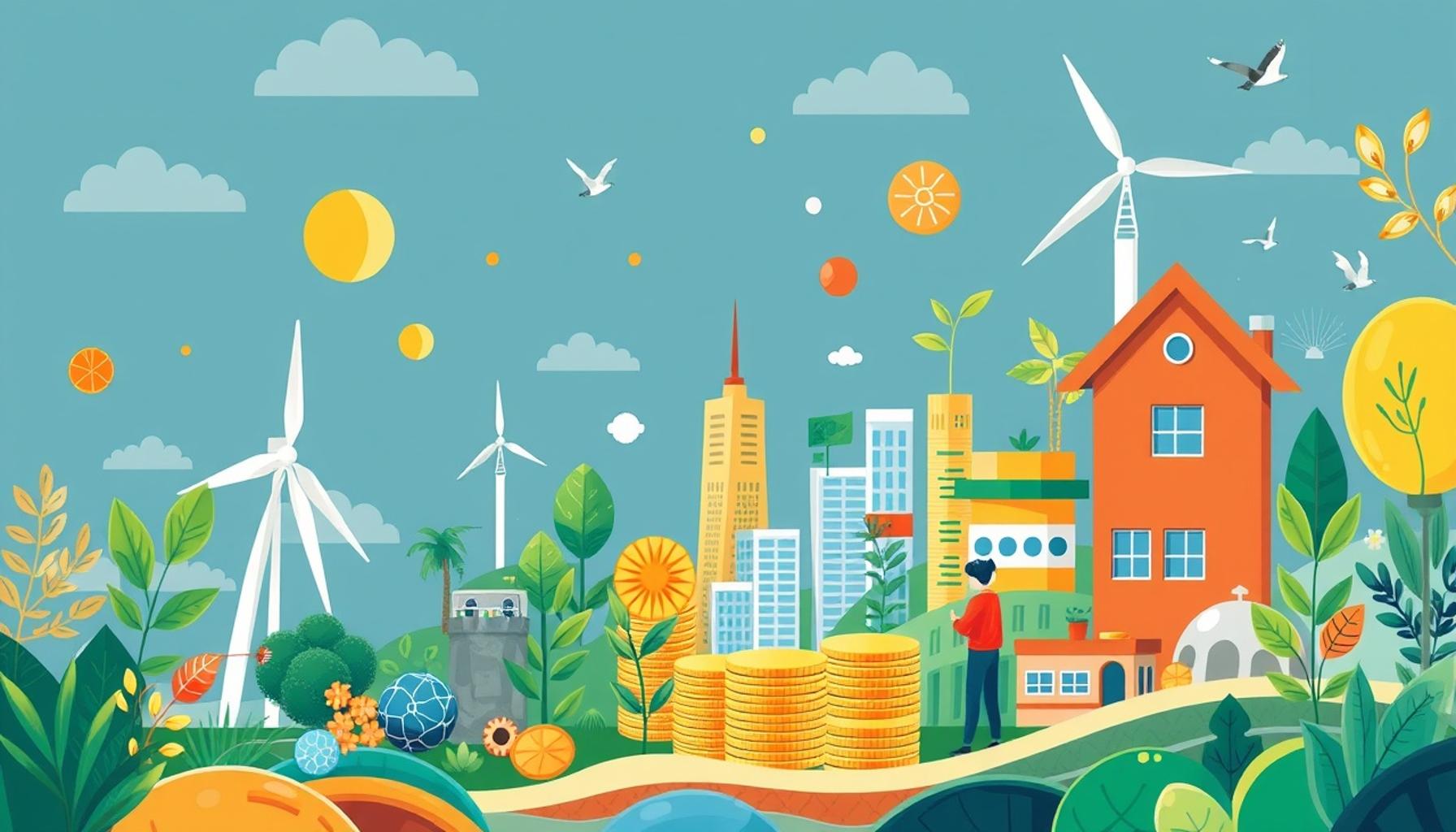
The urgency for a greener planet has never been greater. As we face climate change and environmental degradation, the call for sustainable innovations grows louder. Creative design plays a pivotal role in shaping a future that prioritizes the well-being of our planet. More than just a trend, sustainability represents a fundamental shift in how we interact with our surroundings, impacting various aspects of daily life and industry practices.
As we delve into this crucial focus on sustainability, it is important to understand that innovative solutions are emerging across many sectors, illustrating the versatility of eco-friendly practices. Here are a few key examples:
- Biodegradable Materials: Products made from natural resources like corn starch or bamboo that break down easily in the environment significantly reduce waste. For instance, major companies are now producing biodegradable packaging that decomposes in months rather than centuries, thus mitigating plastic pollution.
- Renewable Energy Technologies: Solar panels and wind turbines harness nature’s power for sustainable energy. In the United States, many homes and businesses are adopting solar energy systems, leading to decreased dependence on fossil fuels and lower electricity bills. States like California and Texas are leading the charge with extensive wind and solar farms.
- Green Architecture: Buildings designed to maximize energy efficiency and minimize environmental impact incorporate sustainable materials, efficient insulation, and advanced technologies such as smart thermostats. An exemplary case is the Bullitt Center in Seattle, which is known as one of the greenest commercial buildings in the world.
These innovations are not just abstract concepts; they represent tangible solutions that improve our quality of life. By embracing sustainable design, we can:
- Reduce carbon footprints: Transitioning from traditional energy sources to renewables can significantly lower individual and corporate carbon emissions.
- Conserve natural resources: Using recycled materials and designing for durability helps to minimize the depletion of our planet’s finite resources.
- Enhance overall well-being in our communities: Greener spaces, such as urban parks and community gardens, improve mental health and foster community cohesion.
As we explore these creative solutions, it’s essential to recognize that every small effort counts. From participating in community recycling programs to supporting local businesses that prioritize sustainability, each action can contribute to a larger movement. By championing innovations that prioritize eco-friendliness, we can shape a future where sustainability is not just an option but a standard practice, ensuring a healthier planet for generations to come.
SEE ALSO: Click here to read another article
Innovative Materials Driving Sustainability
One of the most exciting areas of sustainable innovation lies in the development of innovative materials that challenge the traditional approaches to product design and manufacturing. These materials not only aim to reduce environmental impact but also enhance product performance and durability.
A prime example of this is the emergence of bio-based plastics. Unlike conventional plastics derived from fossil fuels, bio-based plastics are made from renewable biological resources, such as plants or agricultural waste. Companies like NatureWorks produce polylactic acid (PLA), a type of bio-plastic made from corn starch. PLA products are biodegradable under the right conditions, transforming the life cycle of everyday items like cutlery and packaging.
Another notable advancement is the use of mycelium, the root system of fungi, in product manufacturing. Brands like Ecovative are using mycelium to create biodegradable packaging materials and even furniture. This innovation not only provides a sustainable alternative to Styrofoam but also utilizes agricultural waste, promoting a circular economy where materials are reused and repurposed rather than discarded.
In addition to these materials, recycled content is increasingly being integrated into new products. Recycled textiles, for example, have gained traction in the fashion industry. Brands like Patagonia lead the way by creating clothing from recycled plastic bottles, reducing the need for new materials and minimizing landfill waste. This practice not only diverts plastics from our oceans and landfills but also conserves energy and resources required to produce virgin materials.
The Role of Energy in Sustainable Innovations
Energy consumption is another crucial factor in sustainability. Innovations in energy-efficient technologies are fundamentally changing how we produce and consume energy. For instance, LED lighting has revolutionized the way we illuminate our homes and businesses. Compared to traditional incandescent bulbs, LED lights use up to 80% less energy and last significantly longer, making them an eco-friendly choice.
Moreover, advancements in smart home technologies play a vital role in energy conservation. Internet-connected devices, such as smart thermostats and energy monitors, empower users to track and optimize their energy usage. For example, smart thermostats like Google Nest learn a household’s schedule and adjust heating and cooling accordingly, reducing energy waste and cutting costs on utility bills.
These innovations illustrate that sustainable design is not merely about making sacrifices; it presents an opportunity for creativity and efficiency. By prioritizing innovative materials and energy-efficient practices, we can pave the way for a sustainable future, showcasing that environmental responsibility can harmoniously coexist with modern convenience and functionality.
SEE ALSO: Click here to read another article
Redefining Production Processes
While innovative materials and energy-efficient technologies are essential components of sustainable innovation, the way we produce goods must also undergo significant transformation. Traditional manufacturing processes often contribute to substantial waste and carbon emissions. Fortunately, novel production techniques are emerging to address these challenges, making production more sustainable and efficient.
3D printing, for example, is revolutionizing the manufacturing landscape. This technology allows for the creation of products layer by layer, significantly reducing material waste compared to conventional subtractive manufacturing methods where excess materials are cut away. Companies like Carbon are utilizing 3D printing to create everything from automotive components to medical devices, which not only minimizes waste but also can lead to shorter prototyping times and increased customization. The localized nature of 3D printing can reduce shipping emissions and support local economies by enabling on-demand production.
Another noteworthy production strategy is the concept of industrial symbiosis, which involves multiple companies collaborating to use each other’s waste or byproducts as raw materials. This approach exemplifies a circular economy, whereby the waste from one company becomes the input for another. For instance, in Kalundborg, Denmark, various industries share resources such as water and energy. This collaboration has led to reduced waste generation and lowered environmental impacts, inspiring similar initiatives around the globe.
Sustainable Packaging Solutions
The push towards sustainable innovations is also prominently seen in the packaging sector. Traditional packaging materials often contribute to significant landfill waste, but the development of new approaches can help mitigate this issue. One of the leading trends is the shift toward compostable packaging. Brands like Aloha Organic are utilizing materials derived from plants to create packaging that can safely break down in industrial composting facilities. This innovation not only serves a functional purpose but also reduces reliance on conventional plastics, which can take centuries to decompose.
Moreover, companies are increasingly adopting minimalist packaging designs to reduce materials used. By evaluating the necessity of each packaging element, businesses can minimize waste while still providing adequate protection for their products. For instance, several companies are moving away from boxes and plastic containers in favor of flat-pack solutions that reduce space and materials required for shipping.
Investing in refillable packaging systems is another promising avenue. Brands such as Loop offer consumers the option to purchase products in reusable containers that can be returned, cleaned, and refilled. This model not only decreases packaging waste but also builds a community around sustainability, encouraging consumers to actively participate in the cycle.
In summary, the transition to a green future requires a holistic approach that encompasses innovative materials, efficient energy usage, and sustainable production methods. By redefining how we manufacture, package, and consume products, we have the potential to significantly decrease our ecological footprint while promoting a more sustainable economy that benefits all stakeholders involved. The innovations emerging today are not merely trends; they are foundational shifts that can lead to lasting change. With continued creativity and commitment, a sustainable future is within reach.
SEE ALSO: Click here to read another article
Conclusion: Embracing a Sustainable Future
The journey towards a sustainable future is not just about adopting new technologies or changing materials; it involves a comprehensive transformation in how we think about design, production, and consumption. As we’ve explored, the innovative approaches in manufacturing, packaging, and the collaboration between industries are paving the way for a greener tomorrow. This shift is crucial, considering that our planet’s resources are finite, and preserving them is imperative for future generations.
3D printing, industrial symbiosis, and the development of compostable packaging exemplify how creativity can lead to significant reductions in waste and carbon emissions. Moreover, initiatives that promote refillable systems and minimalist designs challenge us to rethink not only our products but also our consumption habits. By supporting these sustainable innovations, consumers can drive demand for environmentally friendly practices.
The shift towards sustainability is an ongoing process, and while challenges remain, the progress already made showcases the potential for transformative change. We all hold the responsibility to contribute, whether as innovators, business leaders, or consumers. By fostering a culture of sustainability and encouraging innovative thinking, we can create a world where both people and the planet thrive.
Ultimately, embracing sustainable innovations is not merely an option; it is our obligation. With collaborative effort and a commitment to sustainability, we can ensure that our future is not only green but also vibrant and resilient.

Linda Carter
Linda Carter is a writer and expert known for producing clear, engaging, and easy-to-understand content. With solid experience guiding people in achieving their goals, she shares valuable insights and practical guidance. Her mission is to support readers in making informed choices and achieving significant progress.