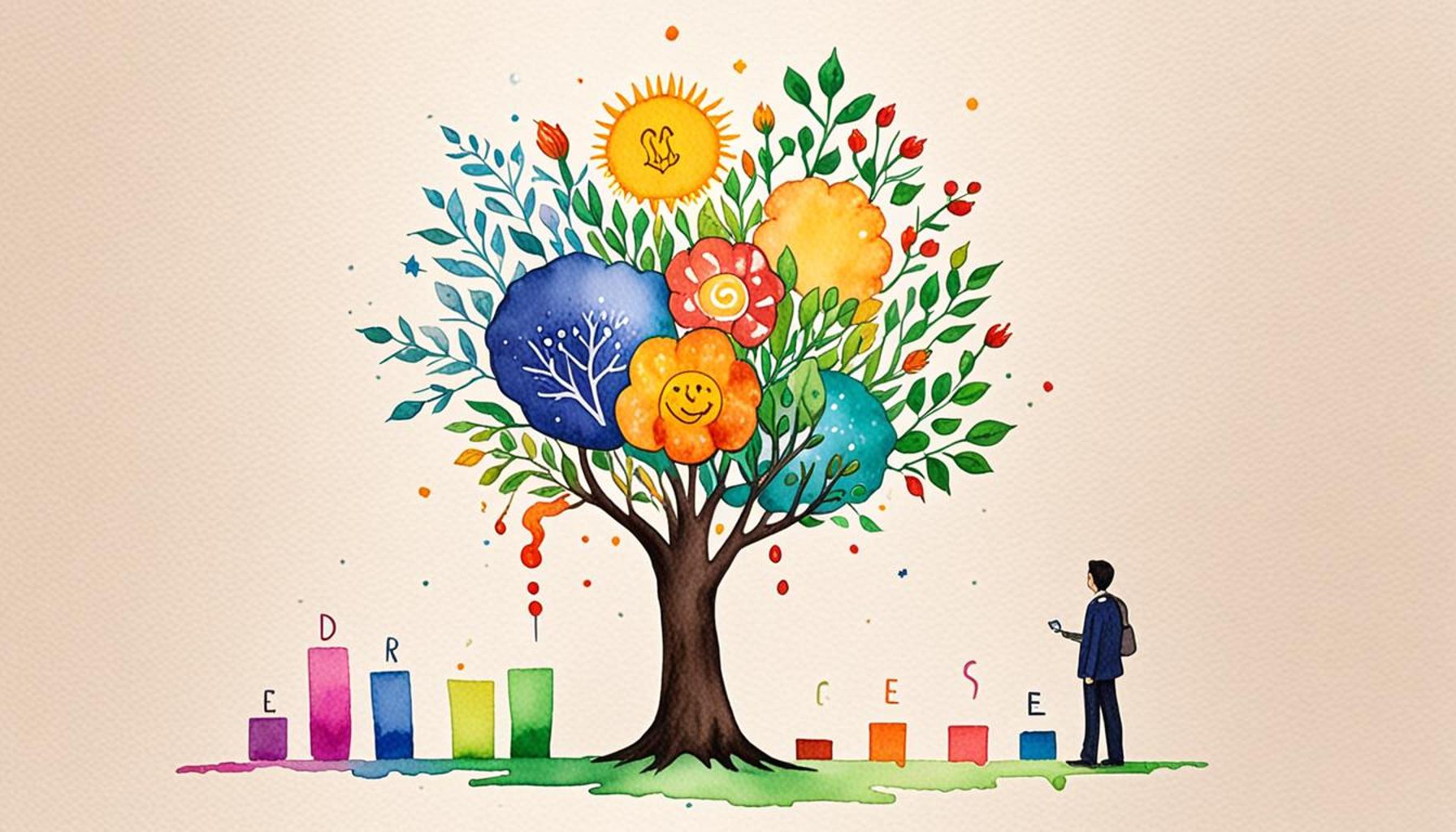
Unlock Resilience How Emotional Intelligence Fosters a Growth Mindset

Unlocking the Power of Emotional Intelligence
In today’s fast-paced world, the ability to adapt and thrive amidst challenges is more crucial than ever. Individuals and organizations alike are constantly seeking ways to improve their adaptation skills and enhance overall productivity. One essential factor in this journey is emotional intelligence. This concept involves understanding and managing our emotions while also recognizing the emotions of others. It plays a pivotal role in how we navigate setbacks and embrace growth.
The Significance of Emotional Intelligence
At its core, emotional intelligence is about recognizing and understanding emotions in ourselves and others, then using that awareness to manage our behavior and relationships effectively. By fostering a growth mindset, individuals can transform obstacles into opportunities for personal and professional development. A growth mindset encourages learners to embrace challenges, persist in the face of setbacks, and see effort as the path to mastery.
Emotional Intelligence and Resilience
This article explores the symbiotic relationship between emotional intelligence and resilience. Resilience is the ability to withstand or recover quickly from difficult conditions. A high level of emotional intelligence enhances resilience by building self-awareness and empathy. Self-awareness allows individuals to understand their own emotional triggers, while empathy helps them navigate social complexities more effectively.
Understanding this connection is essential, as it not only empowers individuals but also impacts teams and organizations. Teams with high emotional intelligence can recognize collective strengths and weaknesses, resolve conflicts more amicably, and drive innovative solutions.
Harnessing Emotional Intelligence
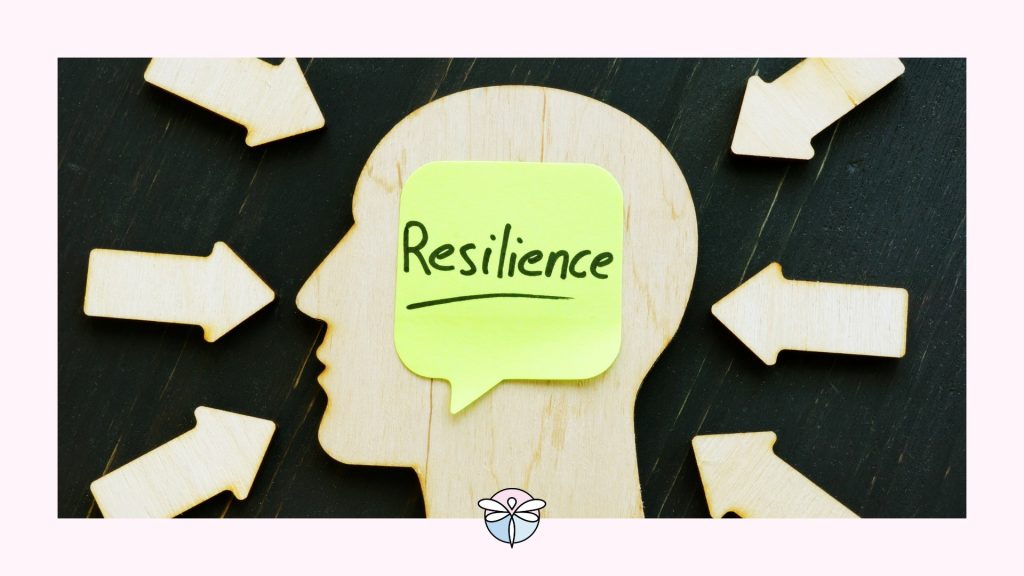
To utilize emotional intelligence effectively, one must engage in effective techniques. Consider adopting the following Top 5 strategies to help you unlock resilience in your life and work:
- Self-reflection: Regularly take time to reflect on your emotional responses and triggers. This practice enhances self-awareness.
- Empathy development: Actively listen to others. Try to understand their perspectives to build deeper connections.
- Stress management: Employ techniques like mindfulness or meditation to regulate your emotions.
- Constructive feedback: Practice giving and receiving feedback in a way that fosters growth, not resentment.
- Continuous learning: Embrace opportunities to expand your understanding of emotional intelligence through workshops or courses.
By integrating these strategies, individuals can cultivate a deeper sense of resilience, transforming how they interact with
SEE ALSO: Click here to read another article
Top 5 Techniques for Building Resilience Through Emotional Intelligence: A Growth Mindset Approach
In the whirlwind of today’s high-paced society, developing emotional intelligence (EI) is more critical than ever. It not only aids in navigating challenges but also builds resilience, enabling us to emerge stronger from adversity. By marrying EI techniques with a growth mindset, individuals can harness a powerful toolkit for personal and professional growth. Here is a deep dive into the top five techniques that underscore the paramount role of emotional intelligence in fortifying resilience.
5. Cultivating Self-Awareness
At the core of emotional intelligence lies the vital skill of self-awareness. This technique necessitates the deep recognition and understanding of one’s own emotions, facilitating more effective management of emotional responses. Self-awareness isn’t just about acknowledging feelings; it’s about understanding the nuances driving them and recognizing their impact on our behavior and choices.
Practices that bolster self-awareness include:
- Keeping a journal: Regularly writing down emotions and identifying triggers sharpens one’s ability to process feelings and discern patterns.
- Mindfulness meditation: This practice cultivates a state of active, open attention to the present, allowing one to observe thoughts and emotions without judgment, thus staying grounded.
- Feedback from others: Constructive feedback from peers or mentors provides external insights into one’s emotional responses, fostering greater self-understanding.
With enhanced self-awareness, individuals can improve their capability to regulate emotions, a crucial facet of resilience that empowers them to navigate life’s unexpected turns robustly.
4. Building Empathy
Empathy stands as a cornerstone of emotional intelligence, essential for creating meaningful connections. It involves the ability to understand and feel what another person is experiencing, fostering richer, more supportive relationships. In trying times, these connections act as invaluable support networks.
To cultivate empathy, consider the following strategies:
- Active listening: Engaging fully in conversations, observing verbal and non-verbal cues, and responding thoughtfully to what others express.
- Perspective-taking: Deliberately making the effort to envision scenarios through others’ eyes to better understand their feelings and reactions.
- Community involvement: Volunteering and participating in community service brings exposure to diverse life situations, enhancing one’s capacity for compassion and understanding.
These practices not only fortify interpersonal relationships but also provide a strong sense of community and belonging, crucial elements in the architecture of resilience.
3. Practicing Emotional Regulation
Emotional regulation is the skill of managing one’s emotional states, especially during stress-inducing situations. Mastery of this skill allows individuals to recover swiftly or adaptively when encountering hardships.
Several effective techniques for emotional regulation include:
- Identifying feelings: Developing a vocabulary for emotions helps accurately label feelings, a foundational step in managing them.
- Deep-breathing techniques: Breathing exercises help diffuse stress and create a calm state of mind by stimulating the body’s relaxation response.
- Physical activity: Exercise is a potent tool for releasing stress, as it induces the production of endorphins, the body’s natural mood enhancers.
Strengthening emotional regulation provides the clarity needed to approach challenges with composure, making it an indispensable component of resilience.
2. Fostering a Positive Outlook
A positive outlook is integral to the growth mindset, which emphasizes resilience through the belief in personal growth from experiences. This perspective encourages perseverance despite setbacks, nurturing an environment ripe for learning and improvement.
Ways to cultivate a positive outlook include:
- Gratitude journaling: Regularly recording things you are grateful for shifts focus from what’s lacking to what is present and cherished.
- Cognitive reframing: Transforming negative thoughts into positive, actionable insights promotes resilience by focusing on lessons rather than failures.
- Positive influences: Surrounding oneself with uplifting and inspiring people and activities creates an encouraging support system.
Armed with a positive mindset, individuals gain the emotional resilience required to embrace and navigate life’s inevitable challenges.
1. Embracing Change and Flexibility
Leading the list is the powerful attribute of embracing change and demonstrating flexibility. Possessing high emotional intelligence involves recognizing that change is a part of life and cultivating the resilience to adapt to new circumstances.
Strategies to promote flexibility include:
- Acceptance of the uncontrollable: Understanding and accepting what cannot change prevents energy from being wasted on resistant and futile efforts.
- Continuous learning: Innovating and learning from new experiences, regardless of age or position, keeps one adaptable to life’s evolving demands.
- Setting adaptable goals: Having goals that allow for modification based on new information or unexpected challenges reinforces resilience and continuous progress.
Embracing change with open arms fosters a resilient attitude, enabling individuals to bounce back stronger and more equipped to handle future adversities.
In conclusion, integrating emotional intelligence with a growth mindset crafts a robust framework for resilience. By honing skills in self-awareness, empathy, emotional regulation, maintaining a positive outlook, and flexibility, individuals are well-equipped to thrive amidst challenges, making resilience not just a natural response but a cultivated strength.
| Category | Details |
|---|---|
| Self-Awareness | Understanding one’s own emotions fosters resilience. By recognizing feelings, individuals can better manage stress and avoid overwhelming situations. |
| Emotional Regulation | The ability to control emotional responses leads to thoughtful reactions to challenges, thus maintaining composure during adversity. Techniques such as mindfulness can enhance this skill. |
| Empathy | Empathy allows individuals to connect with others, building supportive relationships that are crucial during tough times. Active listening and understanding others’ feelings create a supportive environment. |
| Growth Mindset | Adopting a growth mindset, which emphasizes learning and development, fosters resilience by encouraging individuals to view failures as opportunities for growth rather than setbacks. |
In deepening the exploration of emotional intelligence, the first facet emerges as self-awareness, which is foundational for resilience building. When individuals can identify their emotions – whether it’s fear, frustration, or joy – they gain a powerful understanding of how these feelings influence their behavior. This self-recognition can be particularly potent in high-pressure situations, allowing one to take a step back, reflect, and react in a measured manner rather than from a place of emotional impulse. Moreover, emotional regulation serves as the next critical aspect to address. Learning how to manage one’s emotional responses can greatly impact outcomes in both professional and personal lives. Effective techniques such as breathing exercises, mindfulness meditation, and journaling can help individuals cultivate a calm state of mind, combating stress and anxiety when faced with adversity.Empathy, often overlooked, plays a significant role in building resilience. This is not just about recognizing one’s own emotions but also about understanding the feelings of others, enhancing interpersonal connections. Engaging in active listening and offering emotional support can create a network of resilience. People thrive when they feel supported, demonstrating that emotional intelligence extends beyond the individual to influence the wider community.Lastly, embracing a growth mindset transforms one’s approach to challenges. Instead of viewing difficulties as insurmountable barriers, resilient individuals see them as stepping stones to improvement and learning. This shift in perspective, encouraged by principles advocated by psychologists like Carol Dweck, reinforces the belief that abilities can be developed through dedication and hard work. Such a mindset fosters resilience as it encourages persistence in the face of obstacles, reinforcing the idea that failure is part of the learning process rather than an endpoint. These dimensions of emotional intelligence not only interconnect to build resilience but also lay the foundation for a more fulfilling and adaptive life.
RECOMMENDED: Check out this similar article
Frequently Asked Questions
What is the connection between emotional intelligence and resilience?
Emotional intelligence plays a crucial role in building resilience. It involves the ability to understand and manage emotions, which is essential for navigating challenges and setbacks. Individuals with high emotional intelligence are often better equipped to maintain a positive outlook and recover more swiftly from difficulties. This connection is significant because resilience relies heavily on an individual’s capacity to adapt to stressors or adverse situations, utilising their emotional insights to safeguard their wellbeing and progress.
How can a growth mindset enhance emotional intelligence?
A growth mindset, the belief that skills and intelligence can be developed with effort and perseverance, directly enhances emotional intelligence. When individuals embrace a growth mindset, they are more likely to take risks, seek out new learning experiences, and view failures as opportunities for improvement, driving emotional development. By cultivating a growth mindset, one becomes more adept at recognising and regulating emotions, fostering empathy, and improving interpersonal relationships. This intricately intertwines with emotional intelligence by expanding one’s emotional range and adaptability.
Are there specific strategies to enhance emotional intelligence for better resilience?
Yes, there are various strategies to enhance emotional intelligence, thereby building resilience. Some methods include active self-reflection on emotional responses, practicing mindfulness to foster present-moment awareness, and engaging in social skills training. Additionally, seeking feedback from others can help in recognising emotional blind spots and fostering a deeper understanding of personal emotional triggers. Implementing these strategies consistently can lead to significant improvements in emotional understanding, ultimately reinforcing resilient behaviours.
Why is resilience important in modern life?
In today’s fast-paced and often unpredictable world, resilience is more important than ever. It allows individuals to cope with stress, adapt to change, and overcome life’s many obstacles. With a strong sense of resilience, people can maintain their mental health and well-being, despite facing challenges. This capability to bounce back from adversity enables individuals to achieve their personal and professional goals, contributing not only to their success but also to a more fulfilling life.
ADDITIONAL INSIGHTS: Expand your understanding here
Conclusion
The intersection of emotional intelligence and resilience presents a crucial discourse in personal development, especially when viewed through the lens of a growth mindset. Throughout this exploration, we have uncovered that fostering emotional intelligence paves the way for the enhancement of resilience by cultivating self-awareness, emotional regulation, empathy, social skills, and motivation. These qualities are not merely traits but foundational skills for thriving in a world ripe with challenges and uncertainties.
The integration of growth mindset techniques further empowers individuals, offering a transformative perspective that embraces challenge and error as stepping stones rather than stumbling blocks. By adopting a growth mindset, one can reinterpret obstacles not as failures, but as opportunities for learning and growth. This shift in perspective is vital for building resilience, as it enables an individual to navigate life’s adversities with greater flexibility and confidence.
The significance of this topic resonates beyond personal development, emphasizing the pivotal role emotional intelligence and growth mindset play in professional environments. Teams and organizations that incorporate these techniques see an increase in productivity, innovation, and morale, showcasing the broader impact of these concepts.
As we delve deeper, the importance of continued research and application of these ideas becomes apparent. Unlocking the potential of emotional intelligence coupled with a growth mindset can lead to profound personal and collective transformation. In light of this, it remains essential for individuals and organizations alike to prioritize these competencies, fostering environments that champion learning, adaptability, and resilience.
The journey doesn’t end here; rather, it begins with a commitment to growth and an unwavering belief in the power of emotional intelligence. The potential discoveries lie in further investigation and application, urging each of us to explore these empowering techniques more fervently.

Linda Carter
Linda Carter is a writer and growth mindset specialist with expertise in cognitive development and resilience training. With extensive experience helping individuals transform limiting beliefs and unlock their potential, she shares practical mindset strategies on our platform. Her goal is to empower readers with science-backed techniques to cultivate adaptability, embrace challenges, and achieve continuous personal and professional growth.