Music and Technology: The Revolution of Algorithms in Musical Composition
The Role of Algorithms in Music Creation
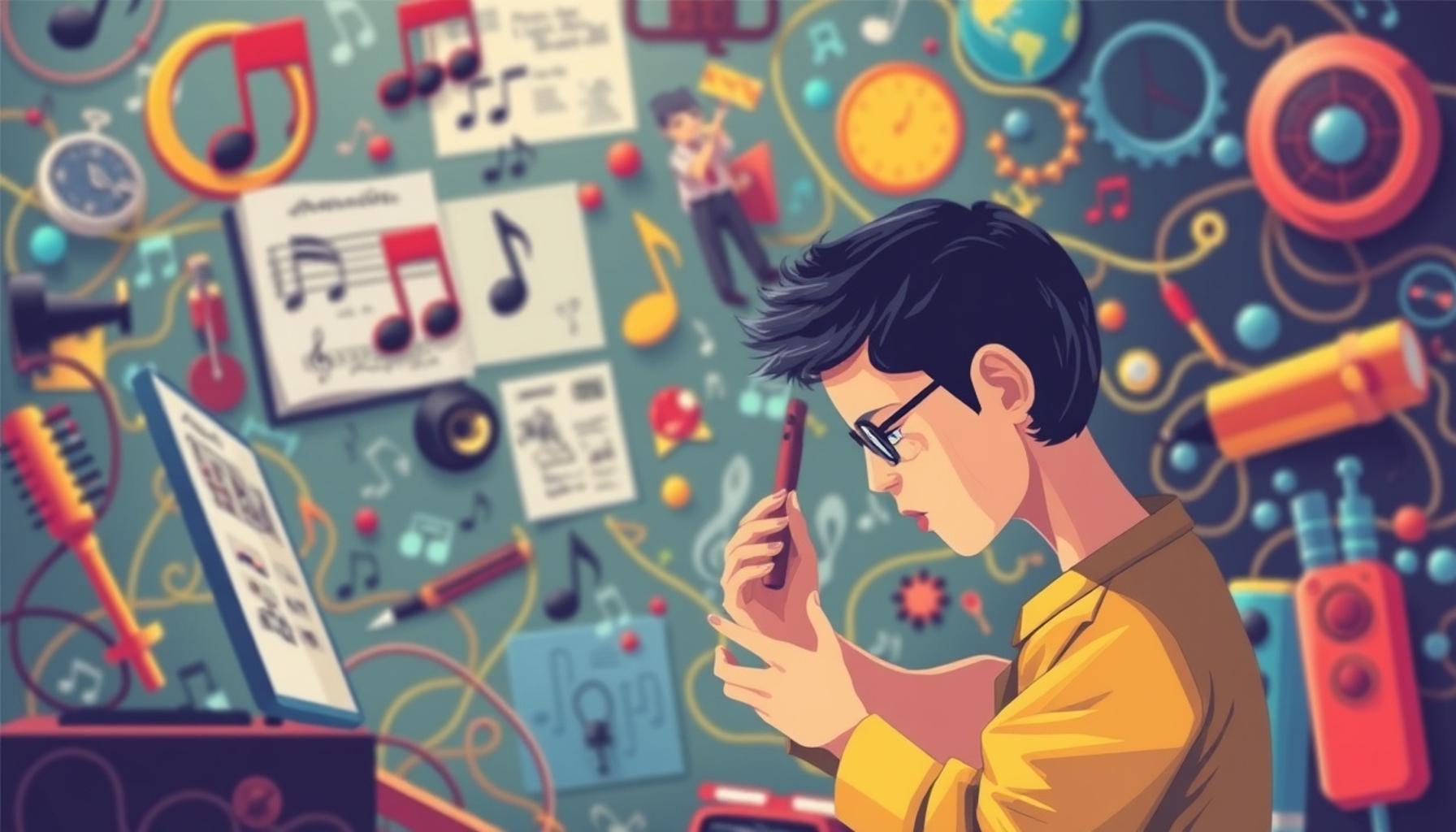
Music is often described as a universal language, a powerful medium that allows individuals to convey emotions, tell stories, and connect with one another. In recent years, the integration of technology—particularly the use of algorithms—has transformed how this language is spoken and understood. Algorithms, when applied to music, act as sophisticated tools that can expand the boundaries of creativity, allowing both established musicians and newcomers to engage with music in novel ways.
To delve deeper into how algorithms function in music, it’s essential to illustrate some of their capabilities:
- Generate melodies that mimic human composers: Algorithms can analyze vast libraries of existing music to learn patterns, chord progressions, and melodies. For instance, services like OpenAI’s MuseNet offer users the ability to compose music in various styles, ranging from classical to contemporary pop, providing a near-human-like compositional quality.
- Analyze musical styles to create unique hybrids: By processing the attributes of different genres, algorithms can blend styles that traditional methods might not merge easily. This imaginative approach led to the creation of tracks that combine classical orchestration with electronic elements, resulting in fresh and innovative music.
- Assist in arrangements: Tools such as Synthesia use predictive modeling to help artists structure their compositions more effectively. By suggesting chord transitions or instrumental arrangements based on algorithmic analysis, these tools facilitate a more efficient creative process.
One notable example of this technological advancement is the platform Amper Music. This AI-driven tool allows users, even those with little to no musical training, to create custom tracks tailored to their needs. Similarly, AIVA (Artificial Intelligence Virtual Artist) is known for composing original scores that are often mistaken for those created by human composers. Artists like Taryn Southern have taken this a step further, collaborating with AI to produce entire albums, showcasing how human creativity can blend seamlessly with artificial intelligence.
Yet, the rise of algorithm-driven music creation is not without its challenges. It raises pressing questions about copyright, as the distinction between human-generated music and that produced by algorithms becomes blurred. This shift necessitates ongoing discussions regarding the role of artists and their rights in an increasingly automated landscape. As we continue to explore this evolving field, it becomes clear that algorithms are not just tools; they are shaping the very future of music and creativity itself.
CHECK OUT: Click here to explore more
Innovative Applications of Algorithms in Music
As technology continues to advance, the role of algorithms in music composition is becoming increasingly inventive and diverse. Musicians, both amateurs and professionals, are finding innovative ways to leverage these technological advancements to enrich their creative processes. Algorithms not only serve as a means of music generation but also as substantial collaborators in developing unique sounds and structures. Below are some practical applications of algorithms in modern music creation:
- Real-time composition: Technology like Google’s Magenta allows artists to perform live while the algorithm analyzes their playing in real-time. The system can then generate accompanying music that adapts dynamically, providing fluid and responsive musical interactions that were once impossible. For instance, a jazz pianist could improvise a solo, while the algorithm analyzes their stylistic choices, producing a harmonious accompaniment that evolves with their performance, creating a seamless live experience.
- Sound design: Algorithms can also be employed in sound synthesis and effects. Tools like Native Instruments’ Reaktor enable users to create entirely new sounds by manipulating data-driven processes. For example, a sound designer might use algorithms to create a unique synthesizer patch that alters frequency modulation in unconventional ways, leading to innovative creations that redefine musical genres. This capability broadens sonic possibilities, allowing for the emergence of entirely new soundscapes that might blend ambient music with traditional acoustic elements.
- Music recommendation systems: Platforms such as Spotify utilize algorithms to analyze listening habits and preferences. Through complex data analytics, these systems can suggest personalized playlists, helping listeners discover new music tailored to their specific tastes. If a user frequently listens to indie rock and occasionally explores electronic music, Spotify’s algorithm can curate a playlist that introduces similar artists or tracks, enhancing the listener’s experience and engagement with diverse genres.
Furthermore, algorithms can also dissect existing music to provide artists with insights into what makes certain compositions resonate with audiences. By employing machine learning techniques, tools like LANDR provide mastering services that ensure tracks are polished to professional standards based on data gleaned from successful music compositions. For example, LANDR analyzes thousands of hit tracks to determine optimal loudness levels, EQ settings, and other mastering processes that contribute to a polished final product. This application demonstrates how algorithms can augment traditional music-making techniques, blending technology with artistry to create a richer experience.
Algorithms are continuously evolving, not only creating opportunities for exploration in music composition but also fostering collaboration among musicians and technology. By integrating artificial intelligence into their workflows, musicians can experiment with ideas that may have previously seemed unattainable or out of reach. This shift is reflected in various genres, from electronic to classical music, where the influence of algorithms has opened new avenues for expression and connection. Even classical composers are beginning to embrace algorithmic processes, enabling them to create intricate scores that might incorporate randomization, resulting in spontaneous musical outcomes.
As we navigate this changing landscape, it is essential to recognize that algorithms, while powerful, are tools that serve an underlying human creativity. They can enhance and accelerate the artistic process, but they do not replace the emotion and context that human composers bring to their work. Understanding how to harness these technologies effectively can empower artists, allowing them to push the limits of their creativity and articulate their visions in unprecedented ways. In this new era of music production, the synergy between human artistry and technological innovation promises to yield compelling and transformative experiences for both creators and listeners alike.
SEE ALSO: Click here to read another article
The Impact of Algorithms on Music Trends and Genres
The integration of algorithms into music composition is not only transforming the creative process for artists but also significantly shaping music trends and genres. As these technological innovations continue to emerge, they foster new styles and influence listeners’ preferences. Below are examples of how algorithms are impacting genres and driving musical evolution:
- The rise of algorithmic music genres: Genres such as Electronic Dance Music (EDM) and Lo-fi Hip-Hop have become synonymous with algorithm-driven production. Producers now use algorithms to generate rhythmic patterns, harmonies, and even entire tracks, facilitating the rapid evolution of these genres. For instance, artists like Madeon employ algorithmic techniques to create intricate, layered compositions that seamlessly blend various electronic elements, drawing on an extensive palette of sounds that are often sourced and manipulated by algorithms.
- Algorithm-assisted songwriting: Tools like AudoAI and Amper Music allow musicians to craft songs with minimal input. By harnessing algorithms, these tools enable artists to generate chord progressions, melodies, and lyrics based on various styles and moods. A songwriter aiming to produce a poignant ballad could use such an algorithm to analyze existing hits in the genre, gaining inspiration from successful patterns while infusing their unique voice into the creation process.
- Genre blending and hybridization: Algorithms excel at analyzing musical trends across genres, resulting in the emergence of hybrid styles. For example, an algorithm could analyze popular traits in hip-hop and indie folk, leading to a unique composition that fuses these elements. This trend paves the way for new sounds, as artists experiment with genre crossovers that feel both fresh and familiar. Notable collaborations, such as those between Billie Eilish and Finneas, showcase how algorithmic insights can spur innovations in artistic collaboration.
In addition to their role in shaping genres, algorithms are also instrumental in modifying listener engagement. The phenomenon known as the “music consumption spiral” illustrates how algorithms impact the music industry. As streaming platforms analyze user data, they start funneling listeners into a certain type of content, reinforcing existing trends. While this targeted approach can introduce listeners to new music, it may also inadvertently limit diversity, as users become accustomed to the same patterns.
However, the balance can be restored through the work of independent artists and labels that embrace algorithmic tools for distribution. By leveraging analytics and insights drawn from algorithms, these musicians can promote themselves and their music more effectively. Additionally, platforms like Bandcamp allow artists to directly engage with their audience, utilizing data analysis to understand listener trends while maintaining their artistic integrity and creative freedom.
As powerful as algorithms are, they are a reflection of human input, creativity, and intention. Musicians who harness these tools can remain at the forefront of innovation while infusing their work with personal narratives and emotions. This partnership allows artists to navigate the intricacies of a rapidly evolving music landscape, fostering a dynamic ecosystem that encourages exploration and experimentation at every turn.
Ultimately, the continuing influence of algorithms in musical composition underscores a pivotal moment in the music industry—an era where technology and artistry merge so seamlessly that creativity is unleashed like never before. The endless possibilities afforded by this integration can redefine how music is created, experienced, and shared, laying the groundwork for future innovations in the arts.
SEE ALSO: Click here to read another article
Conclusion
As we explore the intersection of music and technology, it becomes evident that algorithms are revolutionizing the landscape of musical composition. The ways in which artists create, produce, and share their music have been profoundly transformed, allowing for the generation of new genres, experimental sounds, and unique collaborative efforts that were once unfathomable. The emergence of algorithm-driven music genres, such as EDM and Lo-fi Hip-Hop, exemplifies how technology can influence trends and foster innovation within the industry.
Moreover, the ability of algorithms to assist in songwriting and facilitate genre blending allows musicians to remain agile in a fast-paced environment, ensuring that their artistic expression evolves alongside changing listener preferences. However, it is crucial to acknowledge that while algorithms streamline the creative process, they should not be seen as a replacement for the human touch—the emotional resonance and personal stories that artists bring to their music remain irreplaceable.
As we move forward, the challenge will be to balance the analytical insights provided by algorithms with the rich, subjective experience of music. Independent artists and labels have an essential role in maintaining diversity within the industry, using algorithms as tools to enhance their visibility and engage more deeply with audiences. Ultimately, the ongoing integration of technology in musical composition offers an exciting horizon, inviting us to rethink how we experience and share music, while forever celebrating the creativity that defines it.

Linda Carter
Linda Carter is a writer and expert known for producing clear, engaging, and easy-to-understand content. With solid experience guiding people in achieving their goals, she shares valuable insights and practical guidance. Her mission is to support readers in making informed choices and achieving significant progress.