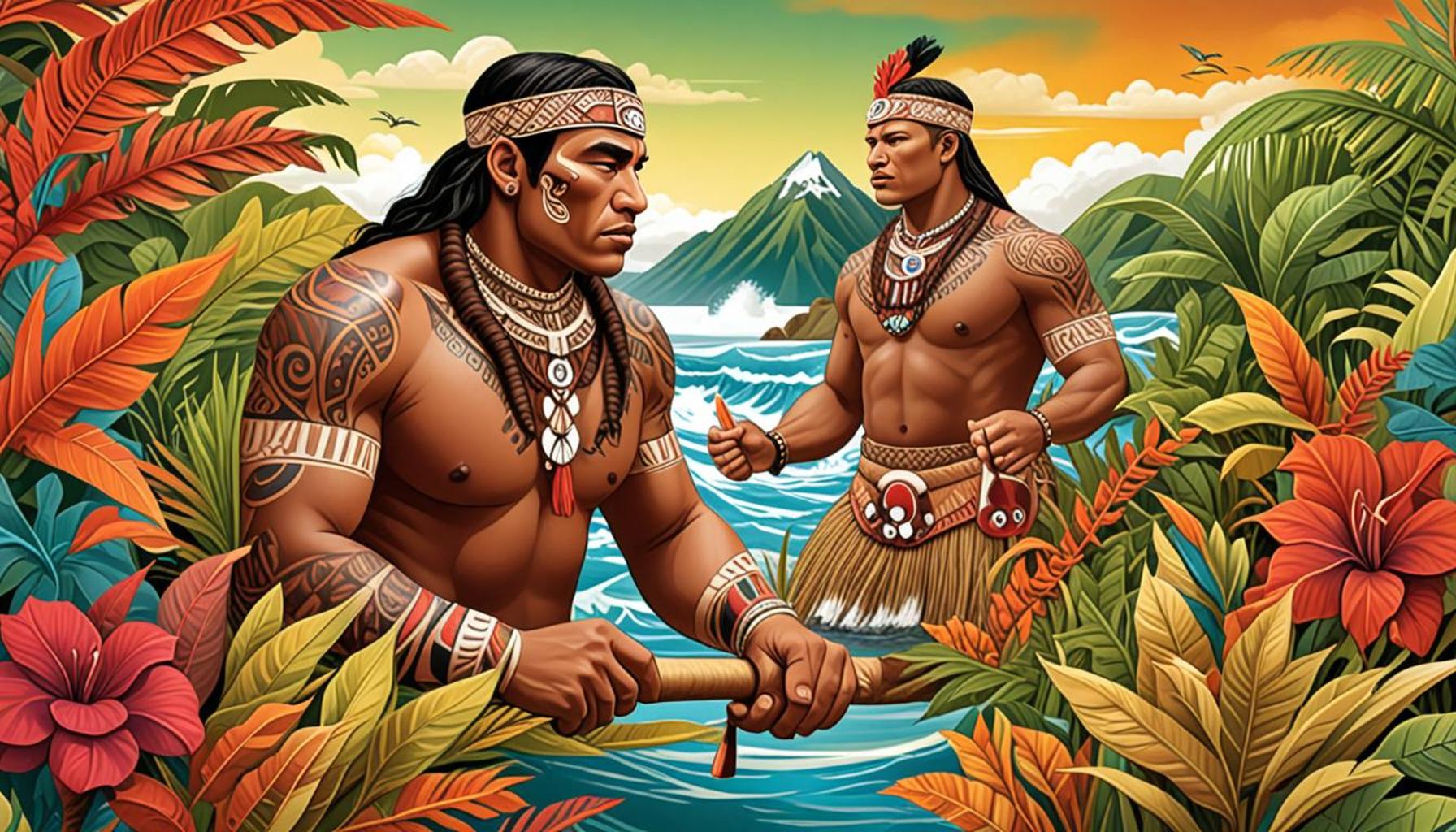
The Influence of Maori Culture on Wealth Accumulation in New Zealand

Understanding Maori Cultural Values in Wealth Accumulation
The economic landscape of New Zealand is uniquely influenced by its indigenous Maori culture. Central to this culture are several core values that play a significant role not just in personal success but also in the broader concept of community wealth. To appreciate how these values impact wealth accumulation, it is essential to delve into key principles like whanaungatanga, manaakitanga, and kaitiakitanga.
Whanaungatanga: The Power of Relationships
Whanaungatanga emphasizes the significance of family and community ties. In the business context, this means that Maori entrepreneurs often prioritize relationships over purely transactional interactions. For instance, when launching a new venture, a Maori business owner might first seek support from their extended family or hapu (sub-tribe) before approaching banks or external investors. This creates a robust support system that can facilitate resources, skills, and mentorship. Building these deep connections fosters trust, which can lead to better collaboration and opportunities. A pertinent example can be found in community co-ops that focus on local products, where profits are shared, reinforcing the communal aspect of wealth creation.
Manaakitanga: Relationships through Hospitality
An essential aspect of Maori culture is manaakitanga, which conveys the idea of hospitality and care for others. This principle extends beyond personal interactions and influences business practices as well. For example, companies that incorporate Maori values often engage in practices that prioritize employee well-being and community involvement. This approach can enhance employee satisfaction and loyalty, ultimately contributing to business success. When staff feel valued and supported, they are more likely to put in their best efforts, thus positively impacting productivity and profit margins. Furthermore, businesses that engage in community events or provide scholarships display manaakitanga, as they invest in the development of the local community, which can lead to long-term economic advantages.
Kaitiakitanga: Stewardship and Sustainability
Kaitiakitanga, or guardianship, emphasizes the responsibility to care for the environment and its resources. In the context of wealth accumulation, this principle fosters a commitment to sustainability. Maori businesses are increasingly realizing that environmentally friendly practices can lead to cost savings and public goodwill, which, in turn, can enhance profitability. For instance, sustainable fishing practices aimed at preserving marine ecosystems not only protect biodiversity but can also improve the quality of harvests over time. Embracing kaitiakitanga leads to innovation in business models that respect natural resources and encourage the responsible use of stock and land.
Incorporating Maori perspectives into various sectors—such as forestry, tourism, and agriculture—allows for a deeper understanding of wealth as a multifaceted concept extending beyond financial metrics. It underscores the importance of nurturing social, environmental, and cultural relationships. Recognizing and celebrating these values can provide guidance for future generations, helping them navigate their economic pursuits while remaining rooted in their cultural heritage. By embracing these guiding principles, not only can individuals achieve personal success, but they can also contribute to the overall resilience and prosperity of their communities.
CHECK OUT: Click here to explore more
The Interconnection of Maori Values and Economic Success
Maori culture brings rich insights that can redefine how we perceive wealth accumulation. Rather than limiting wealth to mere financial gain, Maori perspectives often embrace a broader, holistic understanding that includes social, cultural, and environmental dimensions. For Maori, wealth isn’t only found in monetary terms but is also reflected in the well-being of their families, communities, and the land they protect. To see how these perspectives influence wealth accumulation in New Zealand, we must look further into how traditional Maori values integrate with contemporary economic practices.
Community-Centric Economies
The Maori approach to wealth accumulation is heavily rooted in community and collaboration. Many Maori businesses opt for trust structures that ensure profits are shared among community members rather than being concentrated in the hands of a few. This cooperative approach serves to strengthen community bonds and fosters a sense of collective responsibility. Examples of successful community-centric ventures include:
- Cooperatives in Agriculture: Maori farmers may establish cooperatives to manage the production and sale of traditional crops, ensuring that profits benefit all members.
- Cultural Tourism Initiatives: Projects that showcase Maori culture, such as guided tours and cultural performances, often reinvest profits into the community, fostering local development.
- Joint Ventures: Collaborations between Maori-owned enterprises and non-Maori businesses can leverage resources while retaining a focus on community well-being.
Redistribution of Wealth
Another vital principle in Maori culture is the idea of redistribution, which is closely tied to the value of manaakitanga. In Maori society, success is often viewed as a collective achievement; hence, successful individuals are expected to give back to their communities. This practice creates a cycle of support and advancement. For instance, someone who has succeeded in business might fund educational opportunities, support local arts initiatives, or invest in healthcare resources. This redistribution not only strengthens community ties but also contributes to the overall economic health of the region.
Furthermore, Maori perspectives encourage individuals to consider the legacy they leave behind. This long-term view of wealth encourages investments in sustainable practices, preservation of culture, and intergenerational wealth transfer, ensuring that economic success is not only achieved but is also sustainable for future generations. By embodying these values, Maori individuals and businesses can create substantial impacts on local economies, build resilient communities, and cultivate a vision of prosperity that transcends mere financial wealth. In this way, Maori cultural values offer an enriching framework for understanding wealth accumulation in a more meaningful and inclusive manner.
CHECK OUT: Click here to explore more
Integration of Maori Practices in Modern Business
As New Zealand continues to evolve economically, the integration of Maori practices into modern business strategies provides compelling evidence of how cultural values can reshape wealth accumulation. Maori entrepreneurs increasingly leverage their cultural heritage to create businesses that not only thrive financially but also reinforce their community and environmental commitments. This intersection of tradition and innovation is a vital aspect of Maori influence on New Zealand’s economic landscape.
Utilization of Indigenous Knowledge
One of the significant contributions of Maori culture to wealth generation is the application of indigenous knowledge (kaitiakitanga) in sectors such as agriculture, fisheries, and tourism. Maori custodianship over natural resources leads to sustainable practices that are both environmentally friendly and economically viable. For example, Maori-led initiatives in sustainable fishing ensure the protection of fish stocks while generating income for local communities. By employing traditional practices that respect the ecosystems, these initiatives promote both wealth and biodiversity.
- Agricultural Innovations: Maori farmers incorporate traditional planting techniques alongside modern agricultural practices. By using methods such as polycultures and organic farming, they not only increase productivity but also maintain soil health and biodiversity.
- Eco-Tourism Ventures: Companies like Te Tūī Kōkiri encompass Maori heritage through experiences rich in cultural narratives, guiding tourists while emphasizing conservation. Profits from these ventures help fund local projects aimed at cultural preservation and environmental stewardship.
Young Māori Entrepreneurs and Education
Education plays a crucial role in wealth accumulation, and the empowerment of young Maori entrepreneurs reflects the blend of traditional values with contemporary business practices. Increased access to education and mentorship programs tailored towards Maori youth is key to breaking the cycle of poverty and fostering economic growth. Communities are increasingly creating platforms where young people can learn business skills while embracing their cultural identities.
- Business Competitions: Initiatives such as the Young Enterprise Scheme enable students to develop real business skills in a supportive environment that emphasizes Maori values. This encourages a sense of pride in cultural heritage while fostering innovation.
- Networking Events: Opportunities for young Maori entrepreneurs to connect with established business leaders allow for knowledge sharing and cultivating relationships that can lead to impactful collaborations.
Legislation Supporting Maori Economic Development
The influence of Maori culture on wealth accumulation is bolstered by legislative frameworks that support Maori economic development. Policies that promote whanau (family) trusts, regional development initiatives, and investment in Maori businesses are crucial. For example, the Te Puni Kokiri government body helps coordinate funds and resources dedicated to enhancing Maori economic participation in various industries. This government support aligns with Maori values of sustainability and collective well-being, paving the way for growth in both cultural and financial domains.
This multifaceted approach combines cultural integrity with economic strategy, showcasing how Maori practices can contribute significantly to both personal and community wealth. By emphasizing sustainable development, education, and modern techniques intertwined with their cultural roots, Maori communities continue to innovate ways that redefine profit both for themselves and future generations.
CHECK OUT: Click here to explore more
Conclusion
In conclusion, Maori culture plays a pivotal role in shaping the landscape of wealth accumulation in New Zealand, serving as a robust foundation for sustainable and innovative business practices. By harnessing indigenous knowledge and marrying it with modern business techniques, Maori entrepreneurs are not only contributing to the economy but also ensuring that their cultural values are preserved and celebrated. The integration of traditional practices in sectors like agriculture, fisheries, and tourism stands as a testament to the power of sustainability, where economic growth and environmental stewardship coalesce.
Younger generations of Maori are stepping into entrepreneurial roles equipped with educational opportunities that reinforce their cultural identity, creativity, and business acumen. Initiatives aimed at supporting these young innovators, coupled with the nurturing of networks and mentorship, empower them to break the cycle of poverty and create lasting wealth for their communities. Legislative support further amplifies these efforts, fostering an environment where Maori economic development is not only encouraged but is an integral part of the national agenda.
Ultimately, the influence of Maori culture on wealth accumulation in New Zealand offers valuable lessons on the importance of cultural values in economic practices. It paints a broader picture where wealth is not merely measured in financial terms, but also in the well-being of communities and the preservation of their heritage. As New Zealand moves forward, embracing this dual approach of cultural integrity alongside economic innovation will undoubtedly lead to richer and more equitable prosperity for all.