
The Importance of Self-Assessment in Building a Growth Mindset

Understanding Self-Assessment
Self-assessment is a crucial tool for personal and professional development. It provides individuals with an opportunity to critically evaluate their skills, habits, and motivations. By recognizing both strengths and weaknesses, individuals can create targeted strategies for improvement and overall resilience. This reflective practice encourages a continuous cycle of learning and adaptation, which is essential in navigating both personal and professional landscapes.
In Nigeria, where economic and cultural dynamics are in a constant state of flux, forging a strong growth mindset through self-assessment becomes even more vital. The ability to evaluate oneself effectively allows for better navigation of opportunities and challenges unique to the Nigerian context. The importance of self-assessment can be highlighted through several key insights:
- Embracing Challenges: Individuals who engage in regular self-assessment are generally more inclined to confront challenges head-on. For example, a young Nigerian entrepreneur assessing their business performance may identify inefficiencies in operations. Recognizing this, they can then seek mentorship or attend workshops to improve their skills, thus embracing the challenge as an opportunity for growth.
- Learning from Feedback: Constructive criticism is viewed as a valuable component of self-improvement. In many Nigerian workplaces, feedback may come from supervisors or peers, and welcoming it can foster a more collaborative environment. By actively seeking feedback, individuals can gain insights that may not be apparent from self-assessment alone.
- Persistence: Self-reflection nurtures resilience and determination. The journey of self-improvement is often fraught with obstacles, especially in a landscape marked by economic challenges. Those who reflect on past failures and successes can cultivate a mindset geared toward persistence, thereby increasing their chances of overcoming hurdles.
Why It Matters
Building a culture of reflective practice is fundamental for anyone aiming to succeed in today’s rapidly evolving environment. Self-assessment not only enhances self-awareness but also aids in establishing clear, achievable goals. For young professionals in Nigeria, setting specific goals—like securing a promotion or starting a side business—requires a solid understanding of one’s capabilities and areas for development.
Moreover, as self-assessment fosters a deeper understanding of an individual’s abilities, it promotes a proactive learning approach. This is particularly important in Nigeria, where a competitive job market necessitates continuous skill development. Employers increasingly value candidates who can demonstrate adaptability and a willingness to learn.
In a nation like Nigeria, where multifaceted challenges abound, the practice of self-assessment can be the pivotal factor distinguishing stagnation from progress. It is not merely a personal journey but rather a collective leap forward, inspiring individuals and communities to develop strategies that contribute to overall societal advancement. As more Nigerians engage in self-reflection, they invariably boost not only their individual prospects but also the economic growth of the nation as a whole.
LEARN MORE: This related article may interest you
Unlocking Potential Through Reflection
Self-assessment serves as a critical gateway to unlocking one’s potential. By engaging in this reflective process, individuals confront their abilities and performance, empowering them to turn aspirations into tangible achievements. Particularly in Nigeria, where societal dynamics are characterized by both rich cultural heritage and varying economic conditions, the necessity of effectively evaluating oneself cannot be overstated. It is this practice that allows young professionals and entrepreneurs alike to gain clarity on their career paths and personal goals.
The act of self-assessment can begin as a simple yet profound inquiry: “What do I want to achieve, and what skills do I need to develop to make it happen?” This reflective questioning can lead to significant advancements. When individuals analyze their current state in conjunction with their desired outcomes, they are better positioned to identify skills gaps and create actionable plans for growth. This is crucial in a rapidly evolving job market where the demand for adaptable skills is ever-increasing.
Core Benefits of Self-Assessment
To fully appreciate the power of self-assessment in fostering a growth mindset, we can explore its core benefits:
- Enhanced Self-Awareness: Self-assessment allows individuals to shine a light on their unique strengths and weaknesses. This depth of understanding builds confidence and encourages a focus on areas that need attention, whether that’s improving interpersonal skills for better teamwork or developing technical skills pertinent to specific job functions.
- Goal Alignment: Engaging in self-reflection assists in aligning personal aspirations with professional goals. For instance, a recent graduate in Nigeria might realize their passion lies in digital marketing, prompting them to pursue additional training or certifications in that field, thereby bridging the gap between their current role and future career aspirations.
- Ownership of Learning: With self-assessment, individuals cultivate a sense of ownership over their learning journey. This empowerment encourages a proactive attitude towards personal development, prompting individuals to seek out resources, mentorship, and training opportunities that can enhance their skill sets.
Moreover, in the context of Nigeria, where socio-economic challenges can be daunting, the ability to self-assess becomes a tool for resilience. Individuals who assess their circumstances with honesty and clarity can adapt to changes and turn potentially adverse situations into avenues for growth. By recognizing their areas of strength, they can leverage these attributes to build networks and create opportunities that may not exist otherwise.
In summary, self-assessment not only fosters personal growth but can also become a catalyst for community advancement. As Nigerians harness the power of self-evaluation, they not only improve their prospects but contribute to the larger economic narrative of a nation striving for progress and development. Embracing self-assessment leads to an enriched growth mindset, where opportunities are explored, challenges are reframed as pathways to learning, and success becomes a collective endeavor.
| Advantage | Description |
|---|---|
| Enhanced Self-Awareness | Self-assessment allows individuals to gain insight into their strengths and weaknesses, fostering a deeper understanding of personal capabilities. |
| Encouragement of Lifelong Learning | This practice promotes a culture of continuous self-improvement, motivating individuals to seek knowledge and skills throughout their lives. |
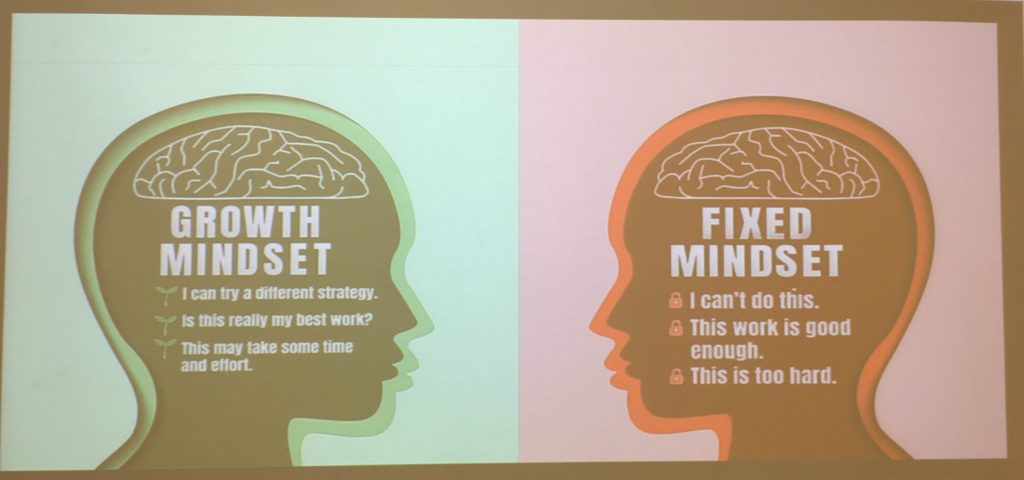
Self-assessment is a powerful tool in cultivating a growth mindset. It stimulates a cycle of reflection and action, where the individual continually evaluates their performance and sets new goals. This iteration encourages an environment where mistakes are seen as opportunities for learning rather than failures. Establishing regular self-assessment practices can help guide personal development, serving an essential role in enhancing emotional intelligence and resilience. As one reflects on past experiences, they become better equipped to face future challenges with a constructive attitude. By carefully analyzing their thoughts and strategies, individuals can shift their mindset from a fixed perspective to one that embraces change and growth. This transition allows for greater adaptability in various fields, including education, career, and personal relationships. As such, integrating self-assessment into daily routines is not just beneficial but crucial for anyone seeking to thrive in a rapidly evolving world.
SEE ALSO: Click here to read another article
Driving Change Through Self-Discovery
Self-assessment not only ignites personal growth but also serves as a crucial mechanism for driving change in the wider ecosystem. In Nigeria, a nation rich with entrepreneurial spirit, the ability to assess one’s capabilities critically can lead to transformative outcomes both personally and professionally. As individuals delve deeper into self-reflection, the potential for innovation and collaborative growth becomes exponentially greater.
One of the most compelling advantages of self-assessment is its role in fostering a culture of continuous improvement. By regularly evaluating one’s progress and adapting goals accordingly, individuals develop the resilience to navigate challenges effectively. For instance, a small business owner in Lagos may confront fierce competition yet leverage self-assessment to recognize market trends or customer feedback. This proactive approach not only aids in refining business strategies but also serves to maintain a competitive edge in a dynamic environment.
Building a Framework for Feedback
Furthermore, self-assessment provides a robust framework for soliciting and integrating feedback from peers, mentors, and industry leaders. In Nigeria’s interconnected communities, sharing insights and experiences can catalyze collaborative growth. Engaging with mentors can elucidate personal blind spots and drive individuals toward their full potential. This process of feedback assimilation reinforces the principles of a growth mindset, whereby individuals view constructive criticism as a valuable tool for advancement rather than a setback.
- Networking Opportunities: Self-assessment can unveil latent talents that facilitate networking opportunities, encouraging individuals to connect with like-minded professionals. By understanding and articulating their strengths, Nigerians can engage in meaningful dialogues that foster collaboration and innovation.
- Accountability: When one holds a mirror to their performance through self-assessment, accountability naturally follows. This self-imposed standard combats complacency and nurtures a positive work ethic that signifies a willingness to learn, adapt, and grow — qualities that are indispensable in today’s workforce.
The importance of self-assessment is further underscored by its role in mental health and well-being. The act of evaluating one’s strengths, weaknesses, and areas for improvement can reduce anxiety and enhance emotional intelligence. In a setting like Nigeria, where mental health awareness is progressively gaining traction, the ability to self-assess provides individuals with tools to process challenges and redefine their narratives constructively. Recognizing personal triumphs and setbacks in a balanced manner fosters a clearer perspective, ultimately encouraging resilience.
In addition to personal benefits, self-assessment cultivates a sense of responsibility towards society. As individuals evolve, they invariably influence their communities. Those who partake in continuous self-evaluation are more inclined to contribute positively to their surroundings, whether through mentorship programs, community service, or business initiatives that address local needs. This collective engagement underscores a movement towards societal advancement, harnessing individual growth to propel communal development.
In essence, the journey of self-assessment fosters not just personal enlightenment but also collective progress. As people in Nigeria and beyond harness the potential of introspection, they build a formidable foundation for not only individual success but also for nurturing thriving communities prepared to tackle the complexities of a dynamic world.
ADDITIONAL INSIGHTS: Expand your understanding here
Embracing the Journey of Self-Assessment
In conclusion, the importance of self-assessment in building a growth mindset cannot be overstated. It serves as both a personal compass and a societal catalyst, enabling individuals to recognize their strengths and acknowledge their areas of improvement. Through self-evaluation, Nigerians can cultivate an environment that values continuous learning and adaptation, crucial elements that foster resilience and drive innovation.
The practice of self-assessment empowers individuals to not only reflect on their personal journeys but also to engage constructively with their communities, creating a ripple effect of positive change. By harnessing the insights gained from introspection, individuals can approach challenges with renewed vigor and creativity, transforming obstacles into opportunities for growth. Furthermore, as communities embrace this culture of reflection, they pave the way for a future where collaboration and innovation thrive.
As we continue to navigate an ever-evolving landscape, it is imperative that we prioritize self-assessment as a foundational element of personal development. Let it be a guiding principle that motivates us to seek feedback, leverage our strengths, and contribute meaningfully to society. The call to action is clear—engage in self-reflection, embrace constructive criticism, and foster a growth mindset that encourages not only personal success but also the advancement of our collective communities. The journey towards self-improvement is ongoing, and each step taken in self-assessment brings us closer to unlocking our true potential.