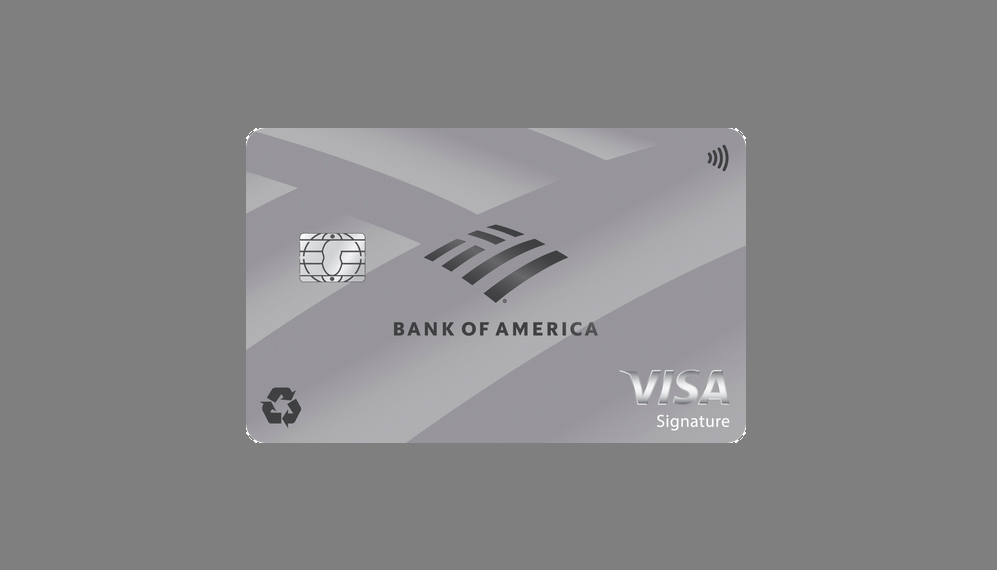
The Role of Credit Cards in Building a Sustainable Family Budget

The Role of Credit Cards in Family Financial Management
In today’s fast-paced world, managing a family budget can often seem like a juggling act, especially when faced with unexpected costs such as medical bills, auto repairs, or home maintenance. However, incorporating credit cards into a family’s financial toolkit can significantly ease this burden when handled judiciously. Using credit cards and understanding their full potential can enhance a family’s cash flow and cushion them against financial surprises.
One of the most enticing features of credit cards is their rewards programs. Many credit cards offer incentives such as points, cash back, or travel rewards, turning everyday expenditures into opportunities for savings or perks. For instance, a family that regularly spends on groceries can opt for a card that provides 3% cash back on supermarket purchases. This not only helps them save money over time but can lead to valuable rewards like free airline tickets or discounts on future vacations, providing both financial and experiential benefits.
Another crucial advantage of having a credit card is the emergency access it provides. Life is filled with surprises—be it a sudden car breakdown, a medical emergency, or an unexpected home repair. With a credit card, families can swiftly address these urgent expenses without disrupting their carefully laid-out budgets. For example, if a family’s water heater fails, having a credit card can facilitate immediate repairs, preventing potential water damage that could lead to even higher costs later on.
Moreover, responsibly managing credit cards can assist families in building a positive credit history. A strong credit score opens the door to favorable interest rates on loans, such as mortgages or car loans, potentially saving thousands of dollars over the long term. For instance, a difference of just 1% in a mortgage interest rate can equate to a significant amount over the life of a loan. Therefore, making timely payments and keeping credit utilization low not only furthers financial stability but paves the way for better financial opportunities in the future.
Despite these advantages, discipline and understanding remain the cornerstones of successful credit card management. It is essential for families to develop a clear strategy that aligns with their overall financial goals. This includes setting spending limits, consistently reviewing statements, and prioritizing paying off the balance each month to avoid interest accumulation. By embracing a proactive approach, families can reap the rewards of credit without the burden of crippling debt.
In conclusion, while credit cards can offer valuable tools for enhancing a family’s financial health, their benefits can only be fully realized through responsible use. By understanding how to effectively integrate credit cards into their budgeting practices, families can enjoy greater financial flexibility and security.
DISCOVER MORE: Click here to learn how to apply
Leveraging Credit Cards for Everyday Expenses
Effective budgeting is more than just tracking income and expenses; it’s about making smart choices that lead to sustainable financial health. One way families can enhance their budgeting strategy is through the savvy use of credit cards for everyday purchases. By treating credit cards as a supplement rather than a crutch, families can manage their finances more effectively.
To maximize benefits, families should focus on using credit cards for essential recurring expenses. This can include items such as:
- Groceries: Regular spending at supermarkets can lead to significant rewards if paired with the right card.
- Utilities: Paying monthly bills for electricity, water, and internet can also earn cash back or points.
- Transportation: Fuel purchases or public transport expenses can contribute to rewards programs.
- Childcare: Routine payments for daycare or extracurricular activities can qualify for cash back, easing parental burdens.
By utilizing credit cards for these recurring expenses, families create a consistent strategy for accumulating rewards while managing their cash flow. This technique is particularly useful during tighter financial months, as the rewards accrued can then be redirected towards family outings or necessary expenses, enhancing the budgeting process.
However, integrating credit cards into a family budget isn’t only about accumulating rewards. It’s about emphasizing financial discipline. Families should establish a clear budget that delineates how much should be spent on credit each month. This not only helps in ensuring that credit utilization stays within recommended limits but also allows families to track their spending habits. When established limits are adhered to, families can avoid the common pitfall of overspending, which can lead to increased debt and financial stress.
Moreover, regular monitoring of credit card transactions is essential. By reviewing monthly statements and tracking spending patterns, families can identify areas where they can cut back. Taking advantage of mobile banking apps can facilitate this process by providing real-time updates on spending. Being proactive in understanding financial habits empowers families to make necessary adjustments before they spiral out of control.
One of the benefits of using credit cards wisely is the opportunity to develop financial literacy within the family. By discussing credit card usage and its implications, parents can instill knowledge about responsible credit management in their children. This empowers future generations with the tools they need to maintain healthy financial practices. Encouraging open conversations about money can lead to well-informed decisions that favor sustainability in building a family budget.
In summary, the careful acceptance and management of credit cards can significantly influence a family’s budgeting strategies. By utilizing credit cards for everyday expenses, maintaining strict spending limits, monitoring transactions, and fostering a culture of financial literacy, families can ensure they create a sustainable budget that promotes financial health in the long run.
DISCOVER MORE: Click here to dive deeper
Harnessing Rewards and Benefits Wisely
Beyond just handling day-to-day expenses, credit cards can also serve as powerful tools for maximizing rewards and leveraging financial benefits. Families can strategically select credit cards that align with their spending habits, allowing them to reap significant perks. For example, many cards offer cash back, travel points, or even discounts on future purchases, turning routine spending into advantageous rewards.
For families that enjoy travel, utilizing credit cards with strong travel rewards can significantly reduce vacation costs. Every dollar spent on groceries, gas, or utilities can contribute to a family trip, making dream vacations more attainable. Parents can strategize by using travel-focused credit cards for all travel-related purchases—such as hotel bookings and car rentals—further maximizing rewards while on the go.
Additionally, the importance of staying informed about promotions cannot be understated. Credit card companies often run limited-time promotions or partnerships that can provide extraordinary benefits. Families can capitalize on these opportunities by periodically checking for special deals—like earning double points on certain categories or discounts with specific retailers. By keeping an eye on such offers, families can stretch their budget further while enjoying the things they love.
However, with great reward potential comes great responsibility. It’s vital for families to carefully read the terms and conditions of their credit card agreements. Understanding interest rates, annual fees, and other potential charges can help families avoid falling into the trap of high-interest debt. Failure to pay off the balance in full each month can negate the benefits earned through rewards, leading to unnecessary financial strain.
Creating a reward strategy is also essential. Families should consider allocating certain expenses to specific cards based on the rewards they offer. For instance, using a card that offers extra points at grocery stores solely for grocery shopping can yield better results than using a generic card. In time, families will find that systematic, targeted spending will ultimately allow their rewards to accumulate quicker and more efficiently.
Moreover, keeping rewards organized is necessary for managing family budgets. Families can utilize mobile apps or budgeting software to track points and rewards, ensuring they maximize benefits before expiration dates pass. Keeping a clear account of what rewards they have accumulated helps families make informed decisions on when to redeem them, whether it be for annual family outings, holiday gifts, or just saving for a rainy day.
Another critical element to consider is the impact of credit card usage on credit scores. Responsible credit card use, including timely payments and maintaining low balances, contributes positively to credit scores, which paves the way for better financial opportunities in the future. Families should be taught that their credit score can affect everything from loan interest rates to rental applications, making it essential to build positive credit behavior early on.
In essence, the role of credit cards in developing a sustainable family budget transcends mere convenience; it invites families to engage with their money actively. Through strategic reward utilization, financial education, and disciplined spending, credit cards can become a significant advantage in fostering an empowered and resilient financial future for families.
DISCOVER MORE: Click here for insights on navigating the volatile digital market
Conclusion
Ultimately, understanding the role of credit cards in constructing a sustainable family budget is essential for families navigating the modern financial landscape. By integrating credit cards into their budgeting plans, families can achieve a dual purpose: managing daily expenses while also enhancing their financial wellness through rewards and benefits. When families choose the right credit cards that align with their spending patterns, they not only earn rewards but also create an opportunity to save on future purchases or even fund memorable family vacations.
However, the key lies in responsible usage. Being mindful of credit card terms, particularly interest rates and fees, is crucial to prevent the incurrence of debt that can undermine financial stability. As families actively learn to manage their credit cards—timely payments, monitoring expenses, and leveraging rewards—these tools can transform from potential pitfalls into strategic assets. Regular engagement with their credit practices also enhances credit scores, which can lead to greater financial opportunities down the line.
Furthermore, the educational aspect cannot be overlooked. Teaching family members about budgeting, responsible credit habits, and the effective utilization of credit card rewards fosters a culture of financial literacy that can benefit households for generations. In fostering a disciplined approach to credit card management, families prepare themselves not just for a balanced budget, but for a more secure financial future. By viewing credit cards as resourceful partners rather than mere transactions, families can confidently build a budget that is both sustainable and rewarding.