The Rise of Smart Cities: How Technology Is Transforming Urban Life
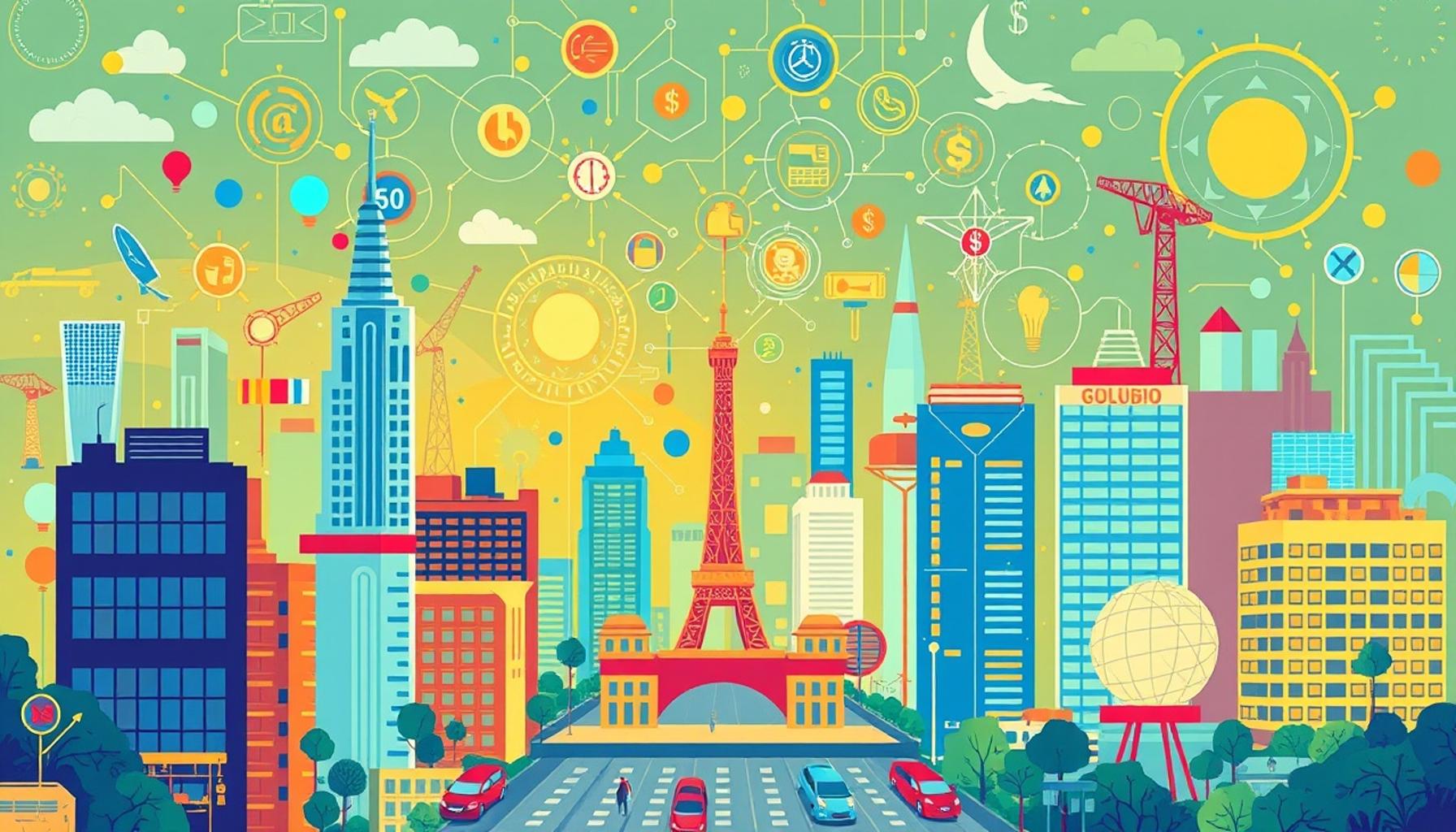
Understanding the Smart City Revolution
The rapid growth of urban populations necessitates innovative solutions for the challenges these cities face, such as traffic congestion, pollution, and inadequate public services. Smart cities leverage technology to streamline city management and improve everyday life for their inhabitants. By optimizing urban infrastructure through interconnected devices and data analytics, these cities not only become more efficient but also foster a more sustainable environment.
Key Areas of Focus in Smart City Initiatives
- Transportation: Urban transportation systems are being revolutionized by innovations such as real-time traffic monitoring. For instance, cities like San Francisco employ smart traffic signals that adjust to the flow of vehicles, effectively minimizing congestion during peak hours. Additionally, smart public transit systems include apps that provide commuters with live updates about bus and train schedules, improving the overall user experience.
- Energy Management: Smart grids play a pivotal role in energy management by integrating renewable energy sources like solar and wind. Cities such as San Diego are utilizing these grids to optimize energy distribution and reduce reliance on fossil fuels, thereby cutting down their carbon footprints. This shift not only supports environmental sustainability but also provides cost savings for residents through energy efficiency initiatives.
- Public Safety: The integration of enhanced surveillance systems and data analytics significantly boosts public safety measures. For example, cities like Chicago are using predictive analytics to identify crime hotspots and deploy law enforcement more effectively, resulting in reduced crime rates. Smart emergency response systems that utilize real-time data can also enhance the efficacy of police, fire, and medical services during emergencies.
- Healthcare: Telemedicine has gained traction, particularly during recent times, ensuring that residents have better access to medical services. Cities such as New York are implementing health monitoring systems that alert citizens to nearby healthcare resources or notifications about public health concerns, helping to create a healthier community overall.
Advantages of Smart City Technologies
The advantages of adopting smart technologies within urban environments are noteworthy. By improving resource allocation, cities can ensure better distribution of essential services such as water and electricity, thus enhancing residents’ quality of life. Furthermore, enhancing citizen engagement through digital platforms allows for more inclusive participation in governance, where residents can voice concerns and contribute ideas on city planning initiatives. This level of engagement fosters a sense of community ownership and pride.
Additionally, attracting tech companies and fostering an innovation ecosystem can stimulate economic growth. Cities that incorporate smart technologies can become appealing destinations for businesses seeking to develop and implement new solutions, creating job opportunities and driving the local economy forward.
This transformation is pivotal as urbanization continues to accelerate. Smart cities represent a comprehensive approach to dealing with the complexities and challenges of modern urban living, making them an essential model for future growth and sustainability across the United States and beyond.
CHECK OUT: Click here to explore more
Transforming Transportation Systems
One of the most visible benefits of smart city technology can be seen in the transformation of urban transportation systems. As cities grow, the need for efficient movement of people and goods becomes increasingly vital. Smart solutions aim to alleviate congestion and pollution while ensuring that public transit remains accessible.
For instance, real-time traffic monitoring systems provide city officials with data that tracks vehicle movement, enabling them to manage traffic flows more effectively. In cities like Los Angeles, traffic cameras and sensors collect data that helps adjust traffic light patterns dynamically. This innovative approach not only minimizes congestion but enhances safety by reducing the likelihood of accidents.
Enhancing Public Transit
Public transportation is also undergoing a significant makeover, driven by the advent of smart technologies. Many cities are incorporating mobile applications that provide live updates regarding bus and train schedules. Residents of cities such as Seattle benefit from apps that enable them to plan their journeys more efficiently. These applications often display arrival times, real-time service alerts, and even alternative routes. By streamlining the user experience, cities make public transit a more attractive option.
Sharing Economy and Micro-Mobility
The rise of smart cities has also paved the way for the sharing economy and micro-mobility solutions. E-scooter and bike-sharing programs have become mainstream in urban areas, providing residents with flexible transportation alternatives that reduce reliance on personal vehicles. For example, cities like Austin have embraced this trend by creating dedicated lanes for e-scooters and bicycles, enhancing safety for riders while promoting environmentally friendly transportation options.
Moreover, rideshare apps like Uber and Lyft have integrated with public transportation systems to offer seamless connectivity. By allowing users to book rides that coincide with public transport schedules, residents can navigate the urban landscape with greater ease. This level of integration showcases how technology fosters collaboration between different modes of transportation.
Impacts on Traffic and Environment
The cumulative impact of these technological advancements on traffic patterns and environmental sustainability cannot be overstated. Thanks to smart traffic management systems and integrated public transport solutions, cities are witnessing a measurable decrease in traffic congestion and greenhouse gas emissions. Urban areas such as Paris are targeting a major reduction in car dependency, promoting walking, cycling, and the use of public transport as viable options for commuters.
Overall, the transformation of transportation systems through smart technologies exemplifies how a holistic approach to urban planning can enhance everyday life. As these smart initiatives continue to evolve and expand, the future of urban mobility looks increasingly promising, making cities more accessible and environmentally friendly for all their inhabitants.
SEE ALSO: Click here to read another article
Smart Infrastructure for Sustainable Living
In addition to transportation, smart cities leverage technology to enhance infrastructure in ways that promote sustainability and resilience. As urban populations continue to expand, cities are faced with the challenge of maintaining infrastructure while also addressing environmental concerns. Smart infrastructure systems enable cities to monitor and manage utilities efficiently, thereby conserving resources and reducing waste.
Water Management Systems
Water is an essential resource for any city, yet many urban areas struggle with distribution and conservation. Smart water management systems employ sensors and data analytics to track water usage, detect leaks, and optimize supply. For instance, in San Francisco, the city has implemented a smart water meter program that not only alerts residents about unusual usage patterns but also provides insights into ways they can conserve water. This proactive approach helps to minimize waste and encourages residents to be more mindful of their consumption.
Energy Efficiency and Smart Grids
Energy consumption is another critical area where smart technologies are making a significant impact. Smart grids provide utilities with real-time information about energy demand and usage patterns. By incorporating renewable energy sources like solar and wind, cities can not only meet increasing energy demands but also reduce their carbon footprints. For example, cities such as Chicago are investing in smart grid technology, allowing for better energy efficiency and reduced electricity costs for consumers.
Furthermore, smart buildings equipped with IoT devices can monitor energy usage and automatically adjust heating, cooling, and lighting based on occupancy and time of day. In New York City, the Empire State Building underwent a significant retrofit that incorporated intelligent systems, resulting in a 38% reduction in energy usage over several years. This case exemplifies how integrating smart technology can lead to substantial savings and sustainability.
<h3Waste Management Innovations
Efficient waste management is another crucial aspect of urban living that smart cities are addressing through technology. Traditional waste collection methods can lead to inefficiencies, with garbage trucks following predetermined routes irrespective of actual waste levels. However, with the introduction of smart waste bins equipped with sensors, cities can optimize collection routes by monitoring fill levels in real time. Municipalities like Atlanta have adopted this technology, resulting in reduced fuel consumption and lower operational costs for waste collection services.
- Smart bins can also signal the need for recycling collection, further promoting eco-friendliness.
- By enabling cities to make data-driven decisions, these innovations foster a more sustainable urban environment.
Public Safety Improvements
Safety is an essential component of urban life, and smart technologies are enhancing public safety measures effectively. Cities are integrating surveillance systems powered by artificial intelligence to monitor public spaces and identify unusual activities. In places like Chicago, the installation of smart cameras equipped with facial recognition technology has contributed to a more responsive law enforcement strategy. While these advancements raise important discussions about privacy and ethics, they also offer a means to enhance community safety and security.
Moreover, smart emergency alert systems ensure that residents receive timely information during critical situations, such as natural disasters or other emergencies. By utilizing technology to keep citizens informed, cities foster resilience and preparedness in the face of challenges.
As smart cities continue to embrace these technological innovations, they are reshaping urban life in ways that support sustainability, efficiency, and safety, demonstrating an exciting path forward for modern urban development.
CHECK OUT: Click here to explore more
Conclusion: Embracing the Future of Urban Living
As we navigate the complexities of urbanization, smart cities are emerging as a beacon of hope, utilizing technology to reshape urban life for the better. From advanced water management systems that conserve precious resources to energy-efficient smart grids that harness renewable sources, cities are increasingly prioritizing sustainability and resilience. The implementation of innovative waste management solutions and enhanced public safety measures underscores a commitment to improving quality of life while addressing environmental challenges.
The examples of successful initiatives in cities like San Francisco, Chicago, and New York illustrate the tangible benefits that smart technologies can offer. The integration of data-driven decision-making processes fosters a culture of awareness and responsibility among residents, encouraging environmentally friendly behavior and instilling a sense of community pride. Furthermore, by leveraging artificial intelligence and real-time data, cities can adapt and respond more effectively to unforeseen circumstances, ultimately enhancing public safety.
As we look toward the future, the growth of smart cities represents not just a technological evolution but a fundamental shift in how we perceive and experience urban environments. It is essential for stakeholders—government officials, businesses, and citizens alike—to collaborate and embrace these advancements, ensuring a holistic approach that prioritizes inclusivity and equity. In doing so, we can unlock the full potential of smart cities, creating vibrant, connected spaces that enhance the well-being of all urban dwellers. The path forward is filled with possibilities, and it is up to us to harness technology to create sustainable and thriving urban centers for generations to come.

Linda Carter
Linda Carter is a writer and expert known for producing clear, engaging, and easy-to-understand content. With solid experience guiding people in achieving their goals, she shares valuable insights and practical guidance. Her mission is to support readers in making informed choices and achieving significant progress.