Menu

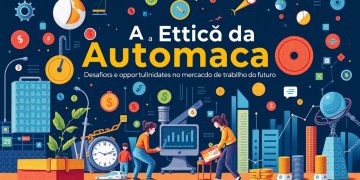
The Ethics of Automation: Challenges and Opportunities in the Future Job Market

Automation is reshaping the job market, presenting ethical challenges like job displacement and economic inequality, while also offering opportunities for innovation and increased productivity. By prioritizing reskilling and collaboration, society can harness the benefits of automation, creating a future where technology and human talent thrive together.

Green Technology: Sustainable Innovations for a Better Future

Green technology promotes sustainable innovations to reduce environmental impact through renewable energy, energy efficiency, and the use of sustainable materials. Its adoption fosters economic growth, transforms industries from transportation to agriculture, and empowers individuals and businesses. Embracing these technologies paves the way for a sustainable future.

The Revolution of Remote Work: Technological Tools that Transform the Office

The shift to remote work has transformed professional landscapes, driven by technological tools that enhance communication, collaboration, and productivity. Key innovations like video conferencing, project management software, and cloud storage create flexible environments while fostering connection, enabling businesses to thrive in the evolving world of work.

5G and the Future of Connectivity: What to Expect from the Next Generation of Mobile Networks

The advent of 5G technology promises remarkable advancements in connectivity, offering faster speeds, lower latency, and enhanced support for the Internet of Things. While its deployment faces challenges like infrastructure costs and digital inequality, overcoming these hurdles will unlock immense potential, revolutionizing everyday life and industry efficiency.

The Evolution of Online Education: Technologies That Are Changing Learning

The landscape of online education has dramatically evolved, driven by transformative technologies like Learning Management Systems, video conferencing, and mobile apps. These innovations enhance accessibility, foster engagement, and create personalized learning experiences, paving the way for a more inclusive and adaptable educational system tailored to diverse learner needs.

The Rise of Smart Cities: How Technology Is Transforming Urban Life

The article explores how smart cities utilize technology to address urban challenges like traffic, pollution, and public safety. Innovations in transportation, energy management, and citizen engagement enhance sustainability and improve quality of life. As urbanization accelerates, these advancements promise a transformative future for urban living.

Augmented and Virtual Reality: Transforming the Consumer Experience Across Various Sectors

Augmented and virtual reality are revolutionizing how consumers engage with products across various sectors, including retail, real estate, travel, and education. These technologies enhance experiences through immersive interactions, enabling informed decisions and creating emotional connections. Businesses adopting AR and VR can gain a competitive edge in today's market.

Blockchain and Its Applications Beyond Cryptocurrencies: Transforming Traditional Sectors

Blockchain technology, often linked to cryptocurrencies, is revolutionizing traditional sectors by enhancing efficiency, security, and transparency. Key applications include supply chain management, healthcare data sharing, streamlined financial services, and real estate transactions. As industries adopt blockchain, they unlock new opportunities for collaboration and trust, shaping a transformative future.

The Role of Startups in Technological Innovation and its Impact on the Economy

Startups are vital to technological innovation and economic growth, driving job creation and fostering a competitive environment. Their agility and creativity reshape industries, attract investment, and promote collaboration, leading to revitalized local economies and a culture of innovation essential for progress and opportunity.

The Impact of Artificial Intelligence on the Healthcare Industry

Artificial Intelligence is revolutionizing the healthcare industry by enhancing diagnostics, personalizing treatment plans, and improving operational efficiency. AI's capabilities in predictive analytics and patient engagement are transforming care delivery, making healthcare more accessible and effective while supporting clinical decision-making and streamlining administrative tasks. Its potential to improve patient outcomes is immense.