
Smart Cities: How Technology is Transforming Urban Life and Promoting Global Sustainability
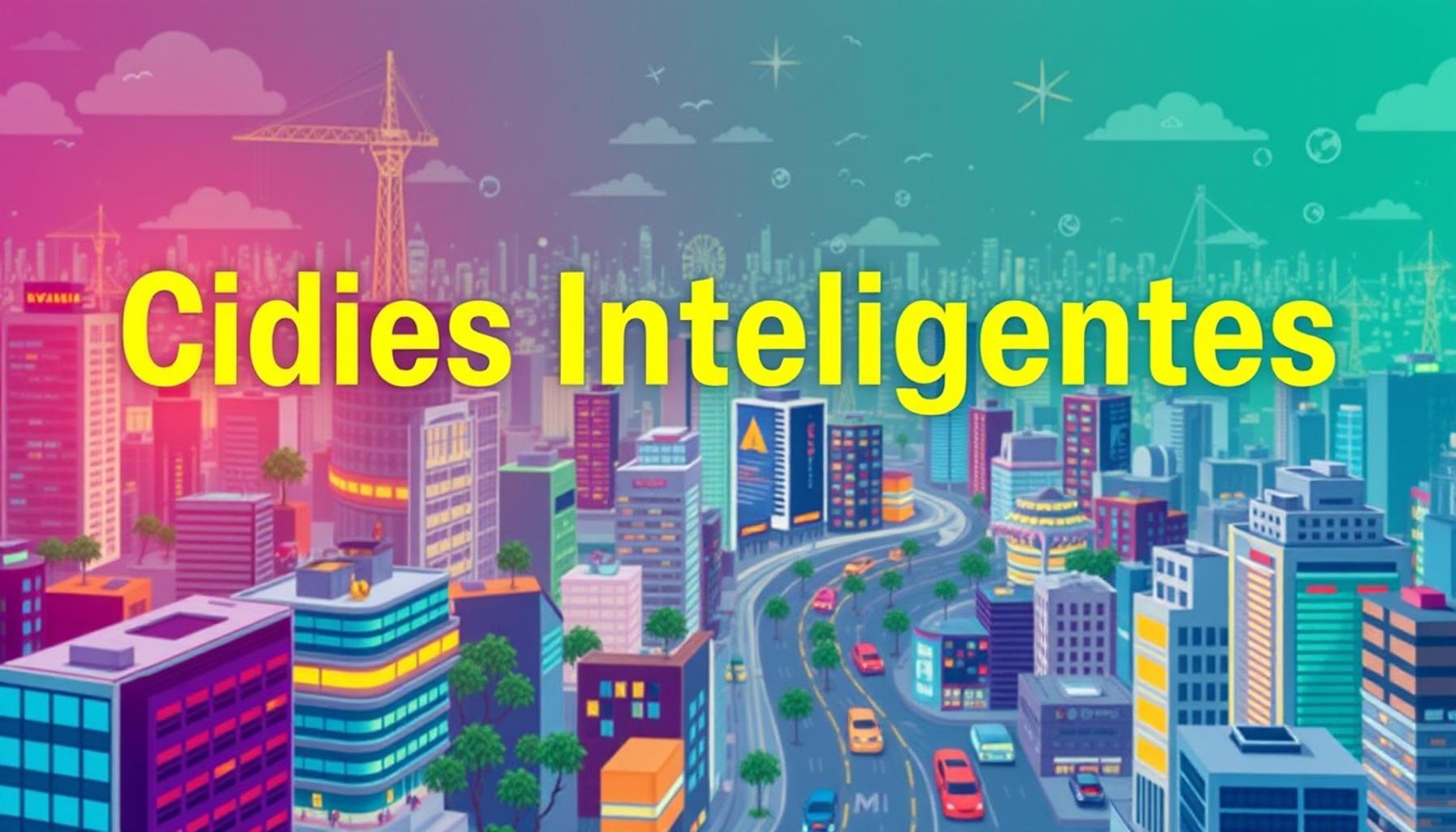
The Rise of Smart Cities
Urban areas are rapidly evolving into smart cities where technology blends seamlessly with daily life. This transformation is reshaping the way people live, work, and interact with their surroundings. A smart city uses interconnected technology to enhance the quality of services, ultimately benefiting its residents. As we explore this concept, we can identify key areas where technology is making a significant impact:
- Transportation: Innovations in transportation are evident through smart traffic management systems that optimize traffic flow using real-time data. For example, cities like Los Angeles utilize adaptive traffic signals that adjust their timings based on current vehicle counts, reducing congestion and commute times. Moreover, the integration of electric public transport options, such as electric buses in Seattle, significantly decreases pollution levels, contributing to a cleaner urban environment.
- Energy Efficiency: Sustainable energy solutions are a cornerstone of smart cities. Smart grids enable better monitoring and distribution of electricity, allowing for a more efficient use of renewable energy sources like solar power. In cities such as San Diego, solar panels on rooftops work in conjunction with smart grid technology to lower energy consumption and promote sustainability, ultimately saving money for residents and reducing the load on power plants.
- Communication: Enhanced connectivity through high-speed internet is transforming urban life by fostering community engagement and access to vital information. In cities like Chattanooga, Tennessee, which boasts one of the fastest internet speeds in the country, residents benefit from improved online services, from telehealth consultations to online education platforms, making it easier for families and individuals to access resources efficiently.
- Public Safety: The integration of technology into public safety measures is making urban environments safer for residents. Advanced surveillance systems, such as those implemented in cities like Chicago, use real-time analytics to improve emergency response times. These systems not only monitor criminal activities but also facilitate efficient communication between law enforcement agencies during a crisis.
These advancements not only improve urban life but also contribute to the greater goal of global sustainability. By optimally utilizing resources, smart cities address pressing challenges such as climate change and population growth. They implement solutions that improve not just the urban infrastructure but also the ecosystem, making cities more resilient against environmental challenges.
As we dive deeper into the world of smart cities, we will discover the innovative technologies at play and how they pave the way for a greener, more efficient future. Understanding these elements is crucial for both residents and policymakers as they navigate this exciting new landscape. In the coming sections, we will further explore examples of successful smart city initiatives and the potential implications for cities across the United States and beyond.
SEE ALSO: Click here to read another article
Key Innovations Shaping Smart Cities
As urban environments embrace the concept of smart cities, several innovative technologies are emerging as game changers. These advancements are not only designed to enhance urban living but also to foster sustainability and improve overall quality of life. Here, we delve into some of the key innovations that are shaping smart cities across the United States:
- Internet of Things (IoT): The IoT refers to the vast network of connected devices that communicate and share data with each other. In smart cities, sensors embedded in infrastructure can monitor everything from air quality to traffic patterns. For instance, in cities like San Francisco, IoT technology is being utilized to track parking space availability in real-time. This helps drivers find spots faster, thereby reducing congestion and emissions from vehicles circling the block.
- Smart Waste Management: Efficient waste management is crucial for sustainable urban living. Smart bins equipped with sensors can detect when they are full and notify waste collection services. Cities like Seoul, South Korea, have successfully implemented this technology, resulting in more efficient route planning for waste collectors, reducing both operational costs and environmental impact.
- Green Building Technologies: New building practices are increasingly being integrated into smart city initiatives. Structures are being designed to be energy-efficient, with features like smart thermostats, rainwater harvesting systems, and energy-efficient lighting. For instance, the Bullitt Center in Seattle, considered one of the greenest commercial buildings in the world, utilizes such innovative technologies to minimize energy use and carbon footprints.
- Data Analytics and Artificial Intelligence: The ability to collect and analyze vast amounts of data is a hallmark of smart cities. Cities are using artificial intelligence algorithms to analyze traffic data, which can predict peak travel times and suggest alternate routes to ease congestion. In cities like New York, AI-driven applications are helping to manage subway systems efficiently, ensuring that schedules are adhered to and reducing wait times for commuters.
These innovations are not just about making life easier for residents; they are also crucial in addressing the pressing issues of urbanization and environmental sustainability. As cities grow, the demand for resources increases, leading to greater strain on infrastructure and the environment. Smart cities leverage technology to optimize resource use and promote eco-friendly practices, making them more adaptable to challenges posed by climate change.
As we continue to explore these technologies, it’s essential to understand how they interconnect and elevate the quality of urban life while driving towards a more sustainable future. In the following sections, we will examine specific case studies of cities implementing these technologies and the tangible benefits they are experiencing, not just locally but on a global scale as well.
SEE ALSO: Click here to read another article
Urban Mobility and Transportation Solutions
Transportation is a critical component of urban life, and smart cities are reimagining how people move around. With the integration of advanced technologies, urban mobility is becoming more efficient, sustainable, and user-friendly. Below are some transformative transportation solutions that smart cities are adopting:
- Autonomous Vehicles: Self-driving cars are no longer just a concept of the future; they are becoming a reality in various smart cities. Companies are testing autonomous shuttles in cities such as Austin, Texas, which not only reduce the need for personal vehicles but also ease traffic congestion. By using advanced sensors and AI technologies, these vehicles can navigate city streets more efficiently, leading to lower emissions and improved traffic flow.
- Smart Public Transit Systems: Public transportation is a lifeline for urban residents, and smart cities are enhancing these services through technology. Systems equipped with real-time tracking applications allow commuters to check bus or train arrival times from their smartphones, minimizing wait times. For example, Los Angeles has implemented enhancements in service frequency and reliability using data analytics, making public transit a more attractive option.
- Bicycle and Scooter Sharing Programs: To promote eco-friendly commuting options, many smart cities are facilitating bike and scooter-sharing programs. These services incorporate GPS-enabled locks and mobile applications, allowing users to locate and rent bicycles or scooters on the go. Cities like Denver are successfully integrating these systems, reducing dependence on cars and augmenting public transportation networks.
- Smart Traffic Management: Intelligent traffic systems use data from IoT devices to manage traffic lights, improve traffic flow, and reduce congestion. This technology can adapt traffic signals based on real-time conditions, helping to minimize wasteful idling and greenhouse gas emissions. For instance, the city of Santa Monica has begun using adaptive signal control technology, which optimizes traffic based on current vehicle loads.
The advancements in urban mobility not only contribute to reducing carbon footprints but also promote a healthier lifestyle. By providing easy access to transportation alternatives, residents are encouraged to walk, bike, or use public transit instead of driving, leading to decreased air pollution and better community health outcomes.
Energy Efficiency and Management
Energy consumption in urban areas is a significant contributor to environmental issues, and smart cities are taking innovative steps to manage and reduce energy use. Here are a few notable energy solutions:
- Smart Grids: These advanced electrical grids utilize digital communication technology to monitor energy usage in real time. Smart meters provide feedback to consumers, helping them understand their energy consumption patterns. This promotes energy conservation and encourages the use of renewable sources. Cities such as Chicago are making strides with smart grid implementation, which enhances reliability and sustainability in energy distribution.
- Renewable Energy Integration: Smart cities are increasingly investing in renewable energy sources, such as solar and wind. Initiatives for shared solar energy installations in urban settings can provide clean energy to multiple households. For example, San Diego has launched community solar programs that allow residents to benefit from solar energy without the need for personal rooftop installations.
- Energy-Efficient Street Lighting: Upgrading to LED streetlights controlled by smart systems can significantly reduce energy consumption in urban areas. These lights can be adjusted based on traffic patterns, enhancing safety while utilizing less energy. For instance, cities like San Antonio have reported substantial savings by replacing traditional lights with smart LED options.
Through these energy management innovations, smart cities not only reduce their carbon footprints but also improve the reliability and resilience of their energy systems. By prioritizing sustainability, these urban environments create a blueprint for the future of cities worldwide.
SEE ALSO: Click here to read another article
Conclusion
In summary, the emergence of smart cities represents a crucial shift in how urban life is organized, with technology playing an essential role in this transformation. By integrating innovative solutions in urban mobility, such as autonomous vehicles and improved public transit systems, cities are not only enhancing the quality of life for their residents but also driving substantial reductions in carbon emissions. Furthermore, advancements in energy efficiency—including smart grids and renewable energy initiatives—serve to address the pressing challenges posed by climate change, creating a more sustainable urban environment.
As cities across the United States and around the world embrace these technologies, it becomes increasingly vital for urban planners, policymakers, and citizens to collaborate in shaping the future of their communities. This harmony will not only foster economic growth and innovation but also promote a culture of sustainability that prioritizes the well-being of both the populace and the planet. The journey towards smart cities may still be in its infancy, but the potential it holds for boosting global sustainability is immense and inspiring. Ultimately, as we navigate the complexities of urban life, fostering smarter cities may provide the answer to some of our biggest environmental and societal challenges, paving the way for a brighter and more sustainable future.

Linda Carter
Linda Carter is a writer and expert known for producing clear, engaging, and easy-to-understand content. With solid experience guiding people in achieving their goals, she shares valuable insights and practical guidance. Her mission is to support readers in making informed choices and achieving significant progress.