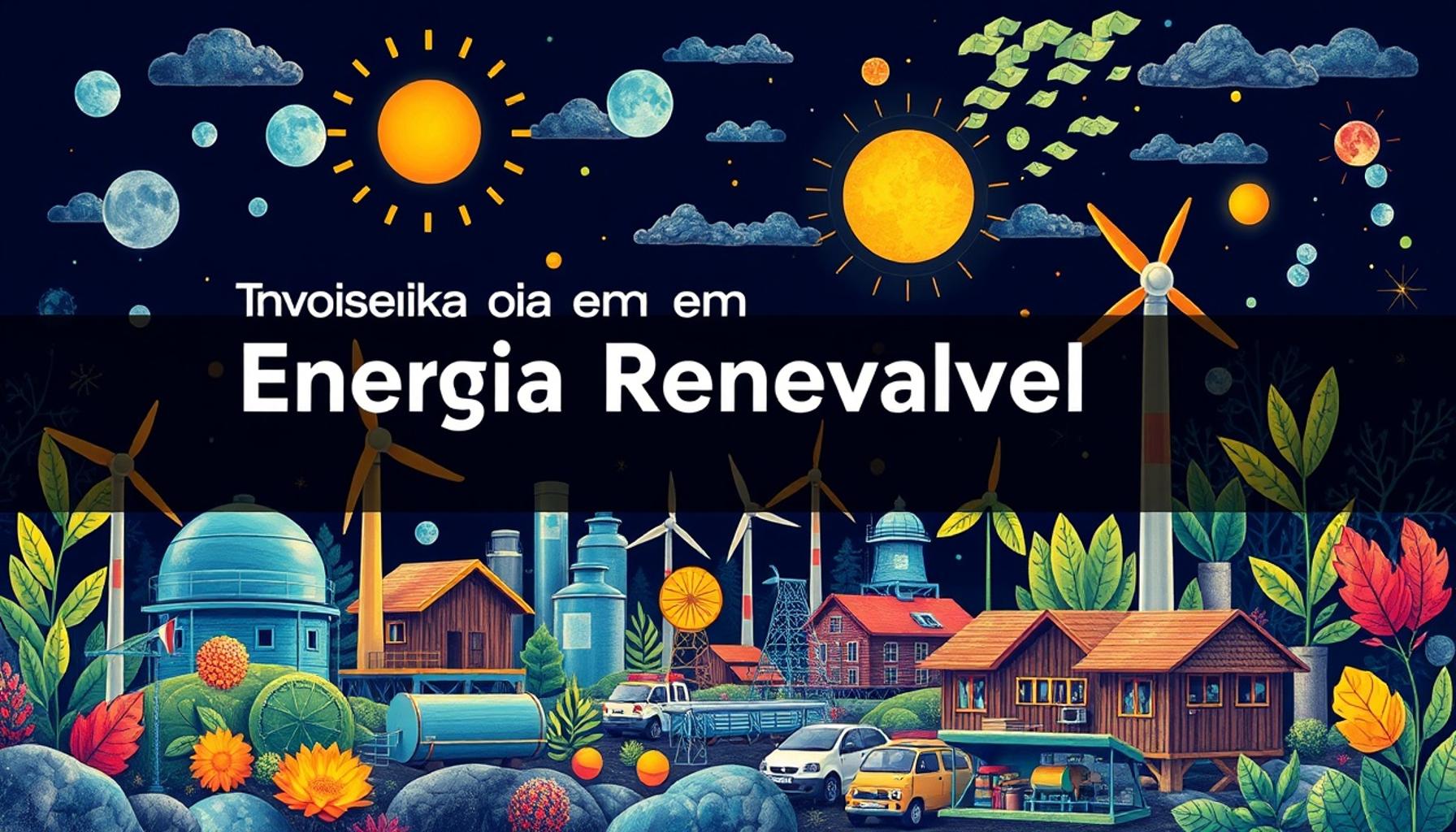
Sustainable Innovations: Emerging Technologies to Combat Climate Change

Understanding Climate Change Challenges
Climate change poses one of the most significant challenges of our time. As we face rising temperatures, severe weather patterns, and natural disasters like hurricanes and wildfires, the need for innovative solutions to address these issues has never been more pressing. Emerging technologies offer promising pathways to mitigate the effects of climate change and promote a sustainable future.
Examples of Sustainable Innovations
Here are some powerful examples of sustainable innovations that can help combat climate change:
- Renewable Energy Sources: Solar panels and wind turbines harness natural resources like sunlight and wind to produce clean energy, which reduces our dependence on fossil fuels. For instance, large solar farms in California and numerous wind farms across the Midwest are already generating substantial amounts of electricity, contributing to more sustainable power grids.
- Smart Grids: These advanced electrical systems enhance energy efficiency and distribution. By using digital technology, smart grids can optimize energy consumption based on real-time data, reduce outages, and improve overall reliability. For example, utilities in cities like San Diego are implementing smart meters that allow consumers to monitor their energy use and adjust their habits to save money and energy.
- Carbon Capture Technology: This innovative method involves capturing CO2 emissions directly from industrial sources and either storing them underground or repurposing them for use in products like concrete. Companies like Climeworks are advancing this technology, providing a way to significantly decrease greenhouse gas emissions and combat climate change directly at its source.
- Sustainable Agriculture: Innovations such as vertical farming, which allows crops to be grown in vertically stacked layers, and precision agriculture, which utilizes technology to optimize farming practices, help to reduce carbon footprints. For instance, urban farms in New York City are implementing vertical farming techniques to grow produce closer to consumers, cutting down food miles and emissions.
Industry Adoption of Sustainable Solutions
In addition to these innovations, various industries are adopting cutting-edge solutions:
- Transportation: Electric vehicles (EVs) are gaining traction nationwide, with manufacturers like Tesla leading the charge. By reducing reliance on fossil fuels and transitioning to EVs, we can significantly lower greenhouse gas emissions from one of the major contributing sectors.
- Construction: The real estate sector is undergoing a transformation with the use of eco-friendly materials such as bamboo, recycled steel, and sustainable timber. Buildings designed to be energy-efficient, like those featuring green roofs or advanced insulation, are becoming the norm as they reduce energy consumption over their lifespans.
- Waste Management: Recycling technologies are advancing, allowing for more materials to be reused, which minimizes landfill use. Additionally, waste-to-energy systems convert non-recyclable waste into usable energy, helping to manage waste more effectively while generating power.
The Benefits of Sustainable Innovations
These advancements not only aim to combat climate change but also provide economic growth and job creation. By embracing these technologies, communities across the United States can work together toward a healthier planet for future generations. Every small action, from supporting renewable energy projects to participating in local recycling programs, contributes positively to the grander vision of a sustainable future.
In conclusion, the innovative technologies and practices emerging in response to climate change are crucial to ensuring a more sustainable, healthy, and thriving environment for all. By becoming informed and engaged, individuals and communities can play a vital role in this important movement.
SEE ALSO: Click here to read another article
Empowering Renewable Energy Solutions
At the forefront of sustainable innovations are renewable energy sources, which offer viable alternatives to traditional fossil fuels. In the United States, solar energy has become increasingly popular due to technological advancements that have lowered installation costs. The deployment of solar panels allows households and businesses to harness the sun’s energy, leading to substantial reductions in energy bills and carbon footprints. According to the Solar Energy Industries Association, the solar sector employs hundreds of thousands of Americans, showcasing its potential not only as a clean energy source but also as a driving force for economic growth.
Similarly, wind energy is transforming the energy landscape. With expansive wind farms located primarily in states like Texas, Iowa, and Oklahoma, wind turbines are generating clean electricity that powers millions of homes. Innovations in turbine design have increased efficiency and lowered costs, making wind energy one of the most competitive sources of power available today.
Harnessing Smart Technology for Efficiency
In conjunction with these energy sources, smart grids play a pivotal role in improving energy efficiency. By employing digital technology, smart grids can analyze energy consumption patterns, allowing utilities to distribute power more effectively. An example of this is seen in cities like Austin, Texas, where smart meters provide real-time data to consumers. This empowers individuals to monitor their energy usage and make informed decisions that lead to reduced consumption and savings on energy bills.
Innovative Approaches to Carbon Emissions
As industries continue to work towards reducing their carbon footprints, carbon capture technology stands out as a promising solution. This method captures carbon dioxide emissions generated from industrial processes and either stores them underground or repurposes them. Companies like 8 Rivers Networks are at the forefront of this technology, developing systems that can capture and utilize carbon emissions in innovative ways, such as converting CO2 into synthetic fuels. These advancements not only help combat climate change but also open up new revenue streams for industries.
- Enhanced Efficiency: By capturing emissions, industries are actively reducing their contribution to greenhouse gas accumulation in the atmosphere.
- Resource Reutilization: Repurposing carbon can lead to the creation of new products, increasing the sustainability of production processes.
- Community Engagement: Public awareness and acceptance of carbon capture technologies foster collaboration between industries and local communities.
Furthermore, the agricultural sector is also experiencing a revolution as it adopts sustainable practices. Innovations like precision agriculture use data analytics and technology to optimize crop yields while minimizing environmental impact. For example, farmers can utilize sensors and satellite imagery to monitor soil health, irrigation needs, and crop growth. This method not only enhances productivity but also reduces the use of water and fertilizers, promoting a more sustainable approach to farming.
In summary, these sustainable innovations not only contribute to fighting climate change but also demonstrate how technology can create a more efficient, economically viable, and environmentally friendly world. Embracing these practices allows us to look forward to a future where sustainable living is within our reach, benefiting both our planet and our communities.
CHECK OUT: Click here to explore more
Revolutionizing Transportation with Green Solutions
Transportation is a significant contributor to greenhouse gas emissions, but sustainable innovations are paving the way for greener alternatives. One notable advancement is the emergence of electric vehicles (EVs). With companies like Tesla leading the charge, electric cars have become more accessible and popular among consumers. The switch to EVs not only reduces reliance on fossil fuels but also decreases air pollution in urban areas. In fact, the Environmental Protection Agency (EPA) reports that if the entire U.S. vehicle fleet were to transition to electric models, it could reduce carbon emissions significantly.
Moreover, advancements in battery technology are enhancing the efficiency and range of electric vehicles. New batteries are being developed with faster charging times and longer life cycles, which addresses common consumer concerns around range anxiety. Major automotive manufacturers are investing heavily in this technology, making electric vehicles more appealing for everyday use.
In addition to personal vehicles, public transportation options are also undergoing transformations. Cities across the United States are investing in electric buses and trains, shifting away from diesel-powered systems. By electrifying public transit, cities can combat urban air pollution and contribute to a significant reduction in overall emissions. For example, Los Angeles has pledged to transition its entire public bus fleet to electric by 2030, setting an ambitious goal for other cities to follow.
Building Sustainable Communities
The concept of sustainable architecture is gaining traction as communities seek to minimize their environmental impact. Innovations in building materials, such as cross-laminated timber and recycled steel, are paving the way for more eco-friendly construction practices. These materials not only reduce reliance on traditional concrete and steel but also sequester carbon, contributing positively to the environment.
Furthermore, the integration of green roofs and urban gardens in architectural designs enhances biodiversity while promoting energy efficiency. These features help regulate building temperatures, reduce runoff, and improve air quality. Cities like San Francisco are actively encouraging green building practices through incentives and regulations, recognizing their potential to create healthier urban environments.
- Energy-efficient design: Implementing passive solar heating and natural ventilation strategies can significantly lower the energy needs of buildings.
- Community gardens: Promote local food production and increase access to fresh produce, enhancing food security.
- Waste reduction: Sustainable construction encourages recycling materials, which minimizes landfill waste and supports circular economies.
As part of this shift, smart home technology is gaining popularity among homeowners seeking to enhance energy efficiency. Devices that automate lighting, heating, and cooling systems based on occupancy patterns contribute to significant energy savings. For example, a smart thermostat can adjust temperatures based on when residents are home or away, leading to reduced energy costs and emissions.
These innovations in transportation and building practices demonstrate the multifaceted approach necessary to address climate change effectively. By adopting and promoting these advancements, society moves closer to a sustainable future, where harmonious coexistence with the environment becomes not just an ideal, but a reality.
CHECK OUT: Click here to explore more
Conclusion: A Collective Step Towards a Greener Future
In our journey towards effectively addressing climate change, sustainable innovations play a crucial role. The advancements in transportation, such as the rise of electric vehicles and the electrification of public transit, illustrate a commitment to reducing our carbon footprint significantly. By transitioning to greener modes of transport, we not only lessen reliance on fossil fuels but also strive towards cleaner air in our cities.
Moreover, the evolution of sustainable architecture and community-focused designs underscores the importance of integrating environmental consciousness into our built environment. By embracing innovative materials and features like green roofs and urban gardens, we actively enhance our ecosystems while promoting energy efficiency. The collaboration between modern technology, architecture, and community efforts generates a comprehensive strategy to reduce waste and promote sustainability.
It is imperative that we recognize that these changes require collective effort from individuals, businesses, and governments alike. Each of us has a role to play in adopting and advocating for these transformative technologies. As we move forward, embracing smart home technology and energy-efficient practices can further empower us to decrease consumption patterns and lower our environmental impact.
Ultimately, by adopting and championing these sustainable innovations, we not only combat climate change but also pave the way for a resilient and thriving planet for future generations. The path to a sustainable future is not just an option; it is our responsibility, and every step counts.

Linda Carter
Linda Carter is a writer and expert known for producing clear, engaging, and easy-to-understand content. With solid experience guiding people in achieving their goals, she shares valuable insights and practical guidance. Her mission is to support readers in making informed choices and achieving significant progress.