
The Influence of Neuroscience on Creativity and Innovation
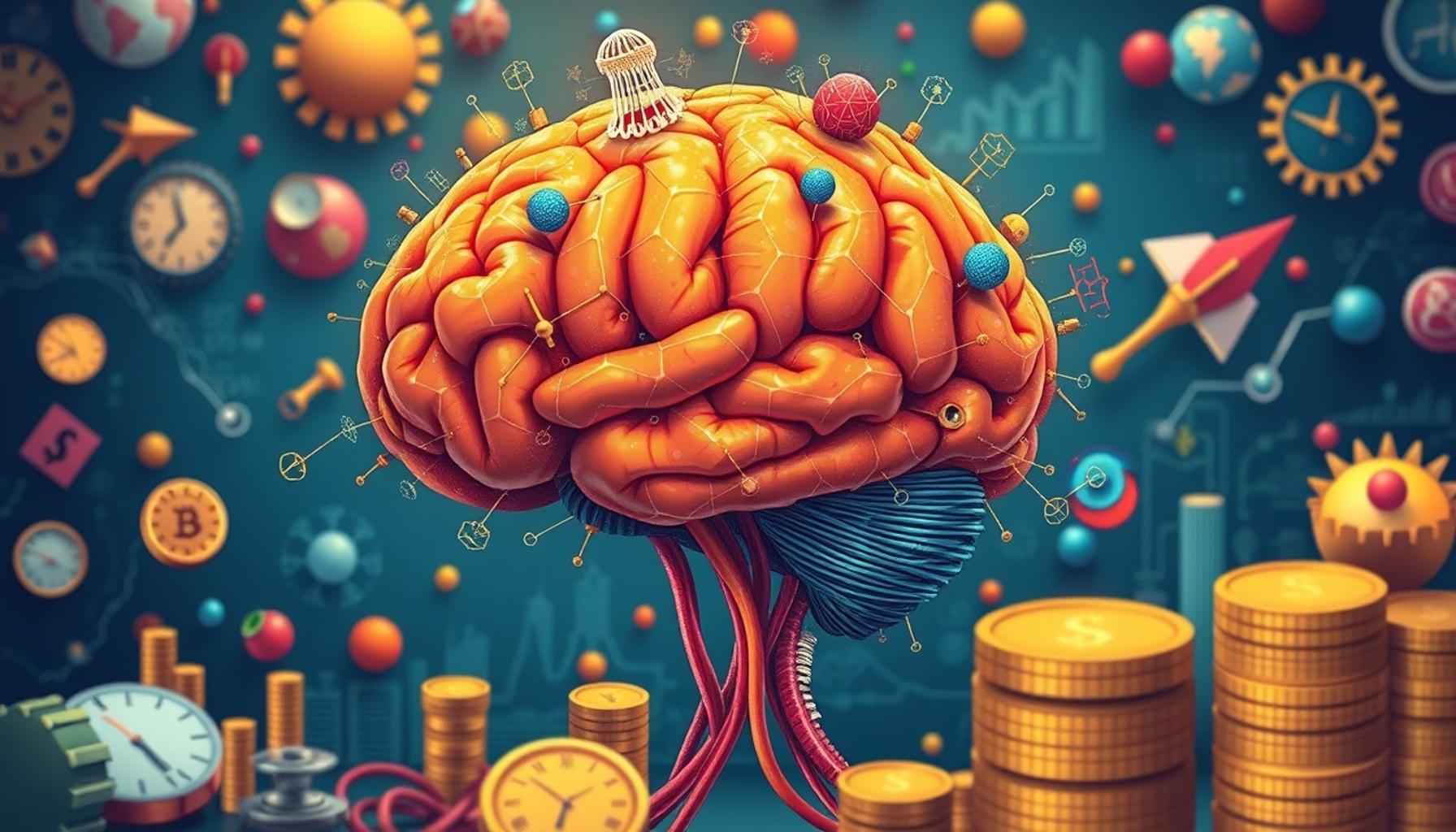
Exploring the Mechanics of Creativity in the Brain
The human brain functions as a powerful engine for creativity, enabling us to develop groundbreaking ideas, solve complex problems, and express ourselves through various art forms. In the realm of neuroscience, researchers aim to uncover how different cognitive processes work together to fuel creativity and innovation. By gaining insights into how our thoughts and emotions operate at a neural level, we can better harness our creative potential.
Understanding which brain regions are involved in creativity is fundamental to this exploration. A few of the most significant areas include:
- The prefrontal cortex – This region is integral to planning, decision-making, and regulating social behavior. It allows us to evaluate different pathways to a solution and make informed choices. For instance, when brainstorming ideas for a marketing campaign, individuals utilize their prefrontal cortex to weigh the pros and cons of various concepts.
- The amygdala – Responsible for processing emotions, the amygdala influences how we approach creative challenges. Emotions can be powerful motivators for creativity; a sense of excitement can lead to innovative ideas, while calmness may promote clearer thinking. Artists often tap into their emotional states to enhance the depth of their work.
- The default mode network – This network is active when the brain is at rest, facilitating daydreaming and spontaneous thought. Research suggests that the more relaxed we become, the freer our thoughts may flow, leading to those “aha!” moments that often result in creative breakthroughs.
Recent studies have highlighted how specific practices can enhance our creative capacities. Some effective strategies include:
- Meditation – Engaging in mindfulness meditation can improve attention spans and foster divergent thinking, which is the ability to generate multiple possible solutions to a problem. For instance, writers may meditate to break through writer’s block and stimulate new ideas.
- Physical exercise – Regular physical activity has been widely documented to boost overall cognitive function, and creativity is no exception. Activities like running or dancing increase endorphins and can help clear the mind, allowing for a fresh perspective on creative tasks.
- Exposure to diverse experiences – Engaging with different cultures, ideas, and experiences can lead to unique connections that spark creativity. For example, attending workshops, traveling, or even reading books outside one’s usual genres can provide new insights and inspiration.
As we delve deeper into the relationship between neuroscience and creativity, it becomes clear that understanding these processes opens up a range of strategies to foster innovation across disciplines. This knowledge not only empowers individuals to tap into their personal creativity but also enhances collaborative efforts within teams and industries, leading to more dynamic and effective problem-solving.
Ultimately, by leveraging the wonders of neuroscience, we can craft environments conducive to creativity, making our workplaces and personal endeavors more fulfilling and productive.
SEE ALSO: Click here to read another article
The Brain’s Pathways to Innovation
In recent years, the study of neuroscience has revealed significant insights into how our brains function during the creative process. By mapping the neural pathways associated with creativity, scientists have discovered that innovation is not merely an abstract concept but rather a tangible process rooted in physical brain activity. Understanding these pathways allows us to better influence and enhance our creative endeavors.
One critical aspect of creativity involves neurotransmitters, the chemical messengers that transmit signals across synapses in our brains. For example, dopamine, often referred to as the “feel-good” neurotransmitter, plays a crucial role in motivation and reward. When we engage in creative activities, the release of dopamine fosters a sense of pleasure, encouraging us to explore further and take risks in our idea generation. This is why people often feel a rush of excitement when they brainstorm or conceptualize new projects.
Similarly, another crucial neurotransmitter is serotonin, which can help regulate mood and promote overall well-being. Research indicates that environments which cultivate happiness and mental well-being can enhance creativity. For instance, workplaces that prioritize mental health—through supportive policies, open communication, or relaxation spaces—may boost their employees’ creative outputs.
The interplay between cognitive flexibility and creativity is also noteworthy. Cognitive flexibility allows individuals to adapt their thinking and approach challenges from multiple perspectives. This flexibility is associated with brain regions such as the anterior cingulate cortex and the parietal lobes, which work together to promote diverse thinking. Engaging in activities that challenge us, such as puzzles or complex problem-solving tasks, can help strengthen cognitive flexibility, thus enhancing our ability to innovate.
To better understand how we can foster creativity and innovation through neuroscience, consider the following methods:
- Creative workshops – Participating in structured sessions aimed at brainstorming can enhance collaborative creativity. For instance, businesses often implement idea-generation workshops where teams can brainstorm without judgment, leading to unexpected and innovative solutions.
- Sensory stimulation – Engaging with different forms of art, music, or nature can stimulate various brain regions, promoting creativity. For instance, many individuals find that listening to music while working can lead to improved focus and new ideas.
- Brainstorming techniques – Techniques such as mind mapping and the Six Thinking Hats method encourage individuals to approach problems from different angles, maximizing the potential for innovative ideas.
Neuroscience provides a lens through which we can grasp the underlying processes of creativity, equipping us with strategies to foster innovation across various fields. By appreciating the biology behind creativity, we can create environments that stimulate innovative thinking and allow ideas to flourish in both personal and professional domains.
CHECK OUT: Click here to explore more
Enhancing Creativity Through Neuroplasticity
To further explore the connection between neuroscience and creativity, we must examine the concept of neuroplasticity. This refers to the brain’s remarkable ability to reorganize itself by forming new neural connections throughout life. Neuroplasticity plays a pivotal role in enhancing creativity, as it allows the brain to adapt to new information and experiences, ultimately leading to innovative thinking.
One way neuroplasticity manifests is through learning. As we engage in new activities or acquire new skills, our brains adjust to accommodate this new knowledge. For example, learning to play a musical instrument or practicing a new language can stimulate brain regions associated with creativity. These activities not only foster cognitive flexibility but also enhance our ability to think divergently, generating a multitude of ideas and solutions.
Consistency is key in capitalizing on neuroplasticity. Regularly engaging in creative practices can refine our brain’s neural pathways, making innovative thinking a more accessible skill over time. Consider the example of renowned artist Pablo Picasso, who continually experimented with different styles and mediums throughout his life. His commitment to exploring new creative avenues contributed to his groundbreaking contributions to modern art. By encouraging curiosity and exploration within ourselves, we foster an environment for neuroplasticity to flourish.
The Role of Environmental Factors
Another influencing factor that intersects neuroscience and creativity is the environment in which we create. Research has shown that specific settings can impact our brain’s activity and, consequently, our ability to innovate. Environments rich with stimuli, such as vibrant colors, natural lighting, and even the presence of greenery, can heighten creative thinking. For instance, many companies in the United States have embraced open office designs that replace traditional cubicles with collaborative spaces that encourage spontaneous brainstorming and interaction among team members.
Moreover, mindfulness practices, such as meditation and yoga, have been found to enhance creative thought by improving focus and reducing mental clutter. Mindfulness allows individuals to become more attuned to their thoughts and feelings, thereby increasing their awareness of creative impulses. A study conducted by researchers at the University of California, Santa Barbara, demonstrated that individuals who practiced mindfulness meditation performed better on creative tasks compared to those who did not. Incorporating these practices into our daily routines can create a fertile ground for imaginative ideas to blossom.
Cross-Disciplinary Collaboration
Engaging in cross-disciplinary collaboration is another powerful way to leverage neuroscience for creativity and innovation. When individuals from diverse backgrounds, such as art, science, and technology, come together, they bring unique perspectives that can spark creativity. Companies like Google have recognized the value of interdisciplinary teams and often facilitate collaboration across departments to drive innovative ideas.
This collaborative spirit mirrors the brain’s own workings during the creative process, where multiple neural networks communicate and share information. Drawing upon various fields amplifies our ability to think beyond conventional boundaries, encouraging a more holistic approach to problem-solving. For example, combining insights from engineering with artistic design can yield groundbreaking solutions in product development, as seen in the development of user-friendly gadgets that seamlessly merge function with aesthetics.
In summary, by understanding and leveraging the principles of neuroplasticity, the influence of our environments, and the power of collaborative efforts, we can enhance our creative capacities and drive innovation. The insights offered by neuroscience not only guide individuals in their personal creative journeys but also help organizations foster a climate that values and nurtures innovative thinking.
CHECK OUT: Click here to explore more
Conclusion
In conclusion, the intersection of neuroscience, creativity, and innovation reveals a fascinating landscape ripe with potential for personal and professional growth. Understanding how the brain’s neuroplasticity enables us to adapt and learn is instrumental in enhancing our creative abilities. As we engage in new experiences and practice diverse skills, we nurture the cognitive flexibility necessary for innovative thinking.
Moreover, the environment we create and inhabit plays a significant role in influencing our creativity. By establishing spaces that stimulate our senses and encourage collaboration, we can unlock new pathways for idea generation. Implementing practices such as mindfulness meditation fosters a state of mental clarity that further aids in recognizing and developing creative impulses.
Finally, the power of cross-disciplinary collaboration cannot be overstated. Working alongside individuals from varied fields allows us to synthesize different ideas and approaches, ultimately leading to innovative solutions that may have otherwise remained undiscovered. This collaborative mindset not only enhances individual creativity but also contributes to a vibrant organizational culture that thrives on innovation.
As we harness the knowledge gained from neuroscience, we are better equipped to cultivate our creative faculties and foster environments where innovation can flourish. Whether we are educators, business leaders, or simply individuals seeking to enhance our creative expressions, embracing the principles of neuroscience can lead to profound breakthroughs in how we think and create.

Linda Carter
Linda Carter is a writer and expert known for producing clear, engaging, and easy-to-understand content. With solid experience guiding people in achieving their goals, she shares valuable insights and practical guidance. Her mission is to support readers in making informed choices and achieving significant progress.