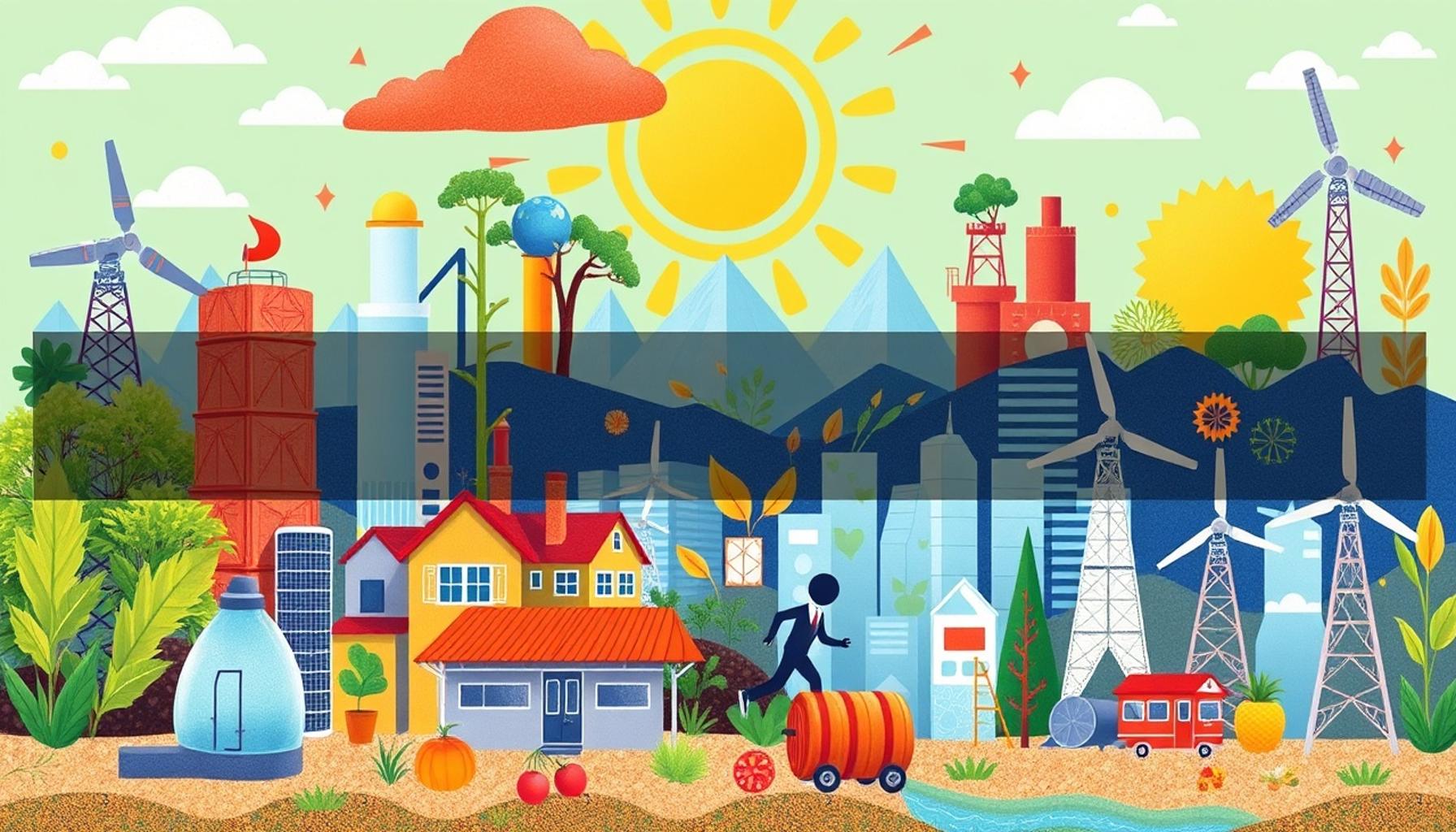
Advancements in Renewable Energy: New Sources and Storage for a Sustainable Future
Introduction
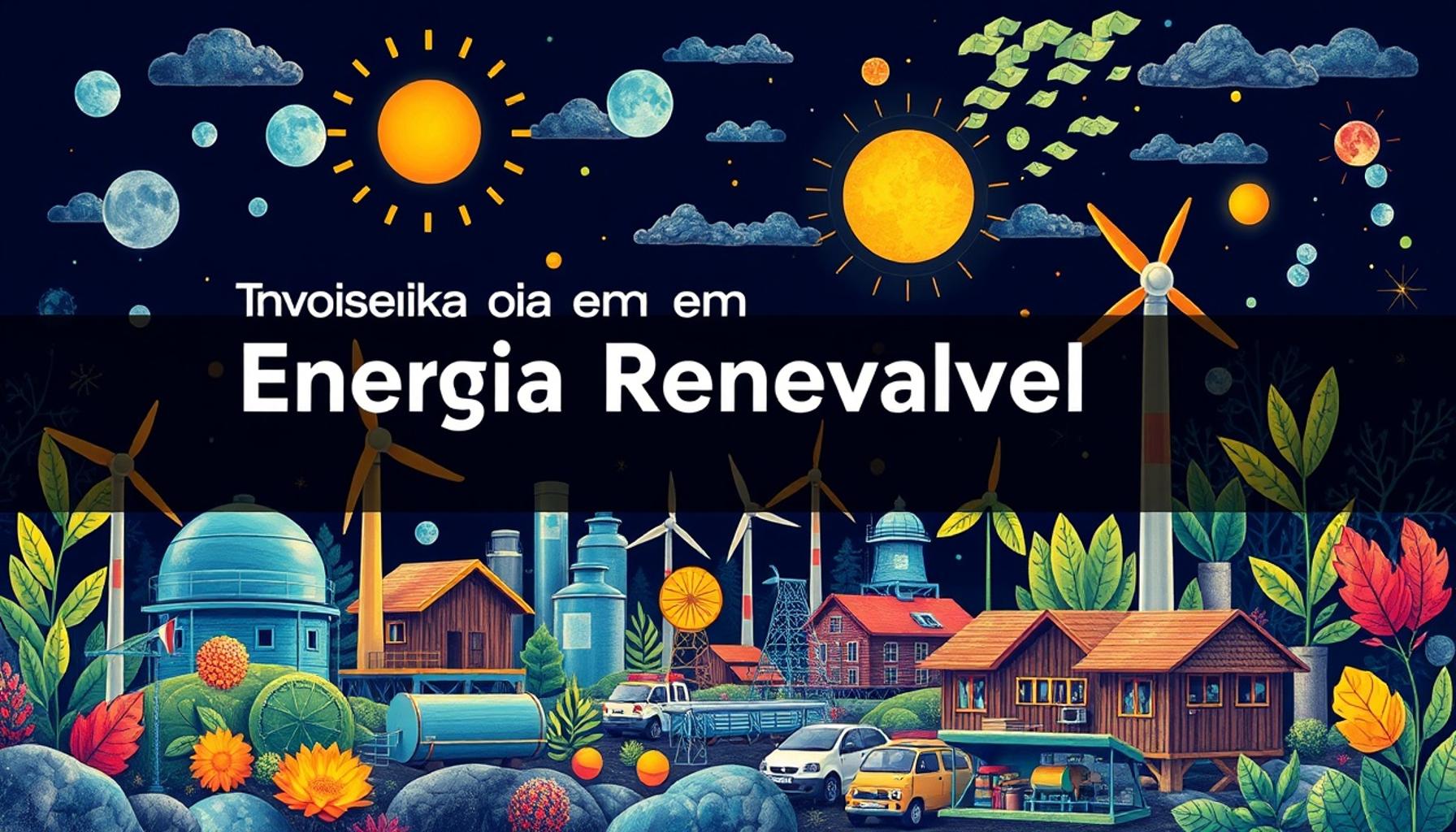
The world is witnessing rapid advancements in renewable energy, driving a transformative shift toward a more sustainable future. Innovations in energy sources and storage are not only making clean energy more accessible, but also ensuring reliability and efficiency across various sectors, ranging from residential use to large industries.
Some of the most notable developments include:
- Solar Energy: Enhanced solar panel technology has recently emerged, showcasing higher conversion efficiencies. For instance, the next generation of solar cells, using materials such as perovskite, can achieve efficiencies above 25%, significantly outperforming traditional silicon panels.
- Wind Energy: Innovations in turbine design are particularly noteworthy. Newer models can generate power even in low-wind conditions. This has been exemplified by companies like GE, which have developed turbines specifically for use in areas where wind speeds are typically not conducive to energy generation.
- Hydrogen Fuel Cells: The increasing use of hydrogen as a clean fuel alternative is another exciting development. Hydrogen fuel cells are being tested in various applications, from powering buses in California to providing backup power for data centers. This versatility showcases hydrogen’s potential role in transitioning away from fossil fuels.
Additionally, advancements in energy storage solutions are pivotal in balancing supply and demand, allowing renewable energy to be harnessed effectively for continuous use, even when production is not occurring. Key innovations in this area encompass:
- Lithium-Ion Batteries: These batteries have seen improvements in longevity and efficiency, making them a popular choice for both residential energy storage systems and electric vehicles. Companies like Tesla are at the forefront, developing solutions that maximize battery life while reducing costs.
- Flow Batteries: With a unique mechanism that allows for scalable solutions, flow batteries present a robust option for integrating renewable energy into the grid. Their large-scale capacity is essential for balancing fluctuating energy supply due to varying weather patterns.
- Pumped Hydro Storage: Utilizing natural water sources for energy retention, pumped hydro storage allows for the release of energy during peak demand. This traditional method still proves to be one of the most efficient and cost-effective forms of energy storage available today.
Collectively, these advancements in renewable energy not only contribute to a decrease in greenhouse gas emissions but also promote economic growth and energy independence. As utilities and consumers increasingly pivot towards these technologies, developers are investing heavily in scaling production and improving efficiencies. This article will explore how these technologies are shaping the future of energy across the United States and beyond, showcasing real-world applications and implications for our everyday lives.
SEE ALSO: Click here to read another article
Modern Innovations in Renewable Energy Sources
As the push for a greener planet intensifies, the advancements in renewable energy sources are becoming not just feasible, but essential for sustainable development. Each renewable energy option brings unique benefits and challenges that are currently being addressed through innovative technologies. Below are some key areas where breakthroughs are being made:
- Solar Energy Innovations: Building on rapid advancements in photovoltaic technology, recent developments in solar energy include bifacial solar panels that capture sunlight on both sides, doubling the amount of generated electricity. In residential areas, this innovation allows for more energy to be harvested from smaller installations, significantly improving energy efficiency.
- Offshore Wind Farms: The evolution of offshore wind technology is moving forward at an impressive pace. With advancements in floating turbine designs, countries like the United States are now able to harness wind energy farther from shore, where winds are stronger and more consistent. This increase in capacity can potentially make offshore wind a major player in meeting energy demands.
- Geothermal Energy Expansion: There is also increased interest in geothermal energy as a reliable power source. With advancements in technology that allow for deeper drilling and better heat extraction methods, geothermal plants can now be established in more locations, providing constant and sustainable energy, independent of weather conditions.
These advancements are not just isolated incidences; they represent a broader trend in energy that incorporates various renewable sources under a unified effort to reduce dependence on fossil fuels. The integration of these clean energy sources not only aids in lowering greenhouse gas emissions but also creates new economic opportunities.
Energy Storage Technologies: The Backbone of Renewable Energy
As we explore the growth of renewable energy, it’s crucial to discuss the systems that ensure its reliability: energy storage technologies. As renewable sources are often intermittent, effective storage solutions are vital for maintaining a stable energy supply. Innovations in this realm include:
- Solid-State Batteries: These next-generation batteries promise increased safety and energy density compared to traditional lithium-ion batteries. Companies are investing heavily in this technology, which may soon unlock greater storage capacities and faster charging times, making electric vehicles and home energy systems even more appealing.
- Compressed Air Energy Storage: This technology uses excess energy to compress air in underground caverns. When energy is needed, the compressed air is released to drive turbines. This method provides a large-scale storage solution that can be particularly useful in stabilizing the grid during peak demand times.
- Advanced Flywheel Systems: Flywheel technology stores energy in the form of kinetic energy. It involves spinning a rotor in a low-friction environment, allowing for rapid energy release. Due to their quick response times, flywheels are being used in applications such as stabilizing grid frequency and supporting peak-load management.
These energy storage innovations serve as crucial components that make renewable energy more reliable, effectively enabling the shift to a more sustainable energy landscape. As advancements continue, we see a promising future where renewable energy can become the primary power source for homes, businesses, and industries alike.
CHECK OUT: Click here to explore more
Integrating Renewable Energy into Smart Grids
As renewable energy sources continue to proliferate, their integration into existing energy infrastructures is becoming increasingly important. This integration primarily relies on the development of smart grids, which use modern technology to manage electricity delivery more efficiently. Smart grids offer a host of benefits, ensuring that renewable energy sources can be fully utilized and that energy systems remain responsive to real-time changes in consumption and supply. Here are some significant innovations in this area:
- Demand Response Systems: These systems allow utility companies to communicate directly with customers’ smart devices. By incentivizing consumers to reduce energy usage during peak hours or adjust their consumption according to grid demands, demand response systems help balance the load, improve energy efficiency, and reduce costs. For instance, during hot summer months, households can be encouraged to run air conditioning during off-peak hours for better efficiency.
- Distributed Energy Resources (DER): The rise of DER facilitates generation at multiple locations rather than relying on centralized power plants. Renewables can be integrated into the grid at various scales, from residential solar installations to community wind farms. This decentralized approach ensures a more resilient energy supply, as localized generation can continue even if larger parts of the grid experience outages.
- Smart Meters: Smart meters play a pivotal role in smart grid technology by providing real-time data on energy consumption. This allows consumers to monitor their electricity usage more effectively and make informed choices about how and when to using energy. With detailed insights, individuals can shift usage to align with periods of high renewable generation, ultimately optimizing cost savings and reducing strain on the grid.
Emerging Trends in Renewable Energy Utilization
In addition to innovations in energy storage and smart grid integration, new uses for renewable energy are being explored. These trends highlight the versatility of renewable sources beyond traditional electricity generation.
- Hydrogen as an Energy Carrier: Green hydrogen, produced through electrolysis powered by renewable energy, is gaining attention for its potential in decarbonizing various sectors, including heavy industry and transportation. Hydrogen can store excess renewable energy and be converted back into electricity or used as a fuel. For instance, hydrogen fuel cells are already powering buses and trucks, helping to reduce emissions in the transportation sector.
- Biofuels Development: Advances in biofuel technology are creating opportunities to convert organic materials into clean energy sources. Innovations in second and third-generation biofuels focus on using non-food feedstocks, such as agricultural waste, algae, and other biomass. This approach not only provides a renewable fuel source but also assists in waste management and contributes to a circular economy.
- Building-Integrated Photovoltaics (BIPV): Integrating solar technology directly into building materials, such as windows and roofs, allows for energy generation without requiring dedicated solar panels. BIPV technology enables buildings to produce their own electricity, contributing to energy self-sufficiency and minimizing their carbon footprint. This innovation exemplifies how architecture and renewable energy can converge to create smarter, sustainable living spaces.
These emerging trends and technologies are not only reshaping the landscape of renewable energy but are also paving the way for a more interconnected and sustainable energy future. By harnessing the abundant resources nature offers and combining them with cutting-edge technology, we can create a resilient energy ecosystem that stands firm against the challenges of climate change and resource depletion.
CHECK OUT: Click here to explore more
Conclusion
In conclusion, the advancements in renewable energy and its storage capabilities are revolutionizing the way we power our lives, moving us toward a more sustainable future. Innovations such as smart grids, demand response systems, and decentralized energy resources are effectively bridging the gap between renewable energy generation and consumption. These technologies not only enhance energy efficiency but also build resilience into our energy systems, which is vital in the face of climate change.
Moreover, emerging trends such as the use of green hydrogen and building-integrated photovoltaics (BIPV) are expanding the potential applications of renewable energy beyond traditional sectors. By integrating these innovative solutions into various industries, we can significantly reduce greenhouse gas emissions and promote a cleaner environment. For instance, the introduction of biofuels derived from organic waste not only supports energy production but also addresses waste management challenges, contributing to a more circular economy.
As we continue to invest in research, policy frameworks, and community engagement, we will unlock further opportunities for sustainable energy sources. It is essential for individuals, businesses, and governments alike to embrace these advancements, ensuring we collectively navigate this energy transition toward a robust and sustainable future. Remember, the choices we make today in adopting renewable technologies and practices will undoubtedly shape the energy landscape for generations to come.

Linda Carter
Linda Carter is a writer and expert known for producing clear, engaging, and easy-to-understand content. With solid experience guiding people in achieving their goals, she shares valuable insights and practical guidance. Her mission is to support readers in making informed choices and achieving significant progress.