
The Role of Augmented Reality in Transforming Consumer Experiences
Understanding Augmented Reality in Consumer Interaction
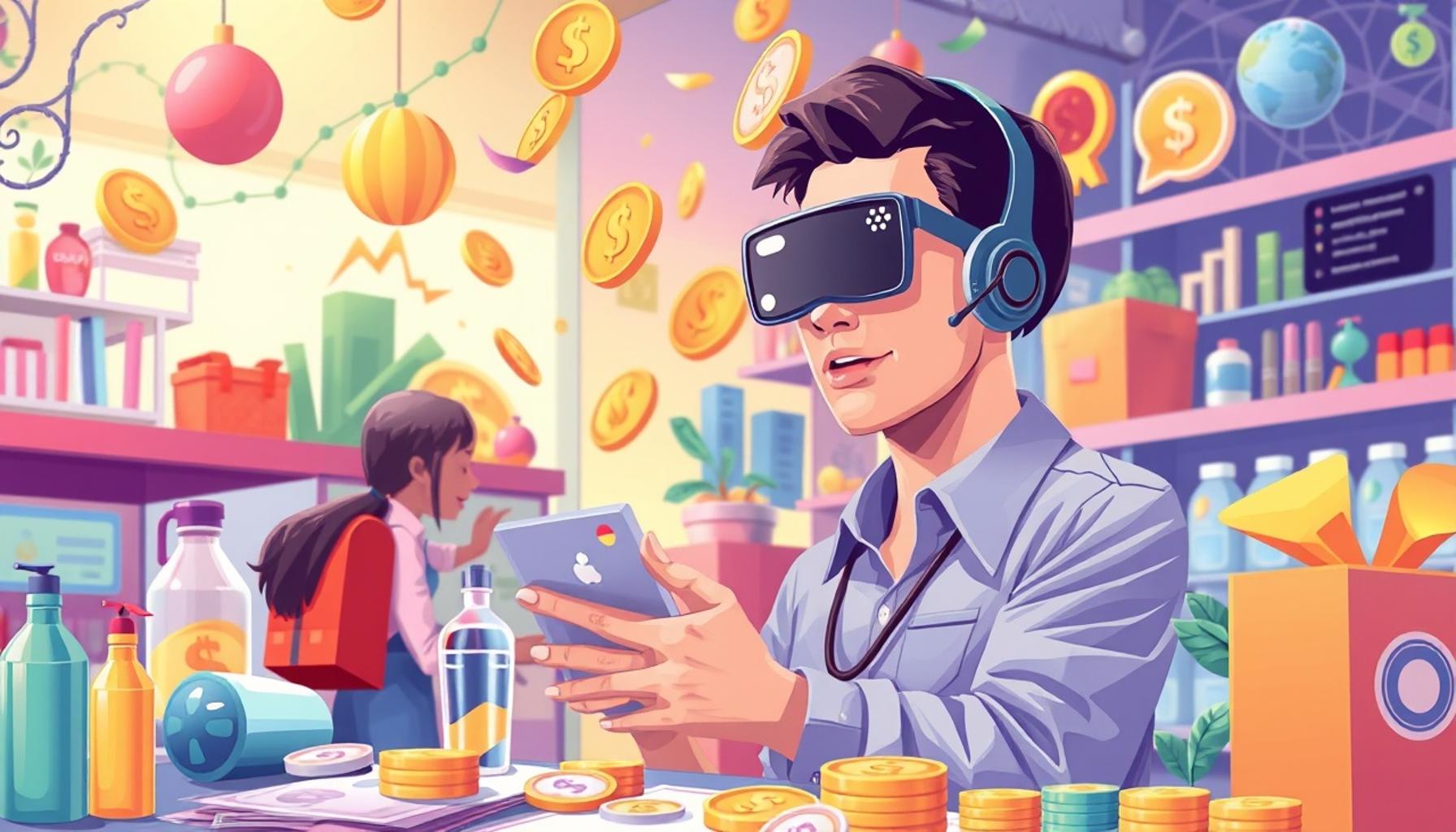
Augmented Reality (AR) is rapidly transforming the landscape of consumer engagement by seamlessly integrating digital elements into our physical environment. This innovative technology enriches the way individuals interact with products and services, leading to improved decision-making processes and high levels of consumer satisfaction.
One significant aspect of AR’s influence on consumer experiences is its ability to provide enhanced visualization. For example, the IKEA Place app allows users to virtually place furniture in their own living spaces using their smartphones. This not only helps consumers envision how a piece will fit in their homes but also eliminates the uncertainty that often comes with online shopping. Imagine being able to toggle between different styles, colors, and layouts right from your living room—this capability fundamentally alters how we shop for furniture and home decor.
Another key benefit of AR is its role in interactive learning. Brands like L’Oreal have harnessed this technology to enable customers to try on makeup virtually. Through their app, users can experiment with different looks and shades without ever stepping foot in a store. This personalized experience caters to individual preferences and encourages consumers to make confident purchasing decisions. By allowing users to visualize the final look in real-time, the process feels less intimidating and more engaging.
Furthermore, AR is pivotal in enhancing engagement and entertainment. A prime example is the global phenomenon Pokémon GO, which merges gaming with real-life exploration. Players can search for virtual Pokémon in their actual surroundings, making the experience not only entertaining but also physically engaging. This use of AR encourages consumers to form emotional connections with brands, as they create memorable experiences that go beyond traditional marketing approaches.
As the capabilities of AR technology improve, its implementation in marketing strategies is becoming more prevalent among businesses eager to maintain a competitive edge. By adopting AR, retailers can cultivate unique, interactive experiences that attract customers and foster brand loyalty. This shift signifies a profound change in consumer behavior—where technologically driven and immersive experiences are proving to be influential in guiding purchasing decisions.
In conclusion, Augmented Reality not only blurs the line between digital and physical interactions but also significantly reshapes the entire consumer journey. By providing enhanced visualization, interactive learning opportunities, and engaging entertainment, AR is set to revolutionize how we shop, learn, and engage with brands in the future. As we continue to embrace technological advancements, the retail landscape will undoubtedly evolve, yielding richer, more meaningful shopping experiences for consumers everywhere.
CHECK OUT: Click here to explore more
Revolutionizing Online Shopping Experiences
One of the most significant advancements brought about by Augmented Reality (AR) is its impact on online shopping. Traditionally, consumers faced challenges such as the inability to physically touch or try products before making a purchase. However, AR addresses these limitations by seamlessly merging the physical and digital realms.
Take, for instance, the fashion industry, where companies like Warby Parker have introduced AR features that allow customers to virtually try on eyeglasses. By utilizing smartphone cameras, users can see how different styles look on their faces in real-time. This capability not only enhances customer engagement but also significantly reduces the likelihood of returns, addressing one of the major pain points in online retail.
Furthermore, AR is playing a crucial role in fostering informed purchasing decisions. When consumers can visualize how products will fit into their lives before buying, they feel more confident during their shopping experiences. This has led to numerous retailers implementing AR solutions, including:
- Sephora: Their Virtual Artist app allows customers to apply makeup virtually, enabling users to see which shades complement their features best.
- Adidas: The brand’s AR feature in the app lets users see how various sneaker styles look on their feet, enhancing the shopping experience.
- Home Depot: The company’s AR app enables customers to visualize how tools and home improvement items will look in their own space.
In addition to improving the shopping process, AR has the potential to personalize marketing efforts. Personalized experiences can significantly enhance brand loyalty. When consumers feel a connection to a brand, due to their tailored interactions, they are more likely to remain loyal and advocate for the brand. Brands like Pepsi have experimented with AR campaigns in public spaces, sparking consumer interest and creating memorable experiences that prominently feature their products.
Moreover, AR applications can contribute to improving customer support. For example, when consumers encounter issues with products, AR can guide them through troubleshooting steps using visual overlays, leading to an enhanced service experience. By offering real-time solutions and assistance, brands can build stronger relationships with consumers and instill a sense of reliability.
As the technology becomes more widely adopted, its potential to reshape consumer behavior expands. The immersive experiences created through AR not only attract customers but also engage them on a deeper level. With constantly evolving technology, we are likely to see even more innovative applications of AR that will continue to enrich and transform consumer interactions in the years to come.
CHECK OUT: Click here to explore more
Enhancing In-Store Experiences
While online shopping has seen significant transformations due to Augmented Reality (AR), in-store experiences are equally benefiting from its capabilities. Retailers are increasingly adopting AR technologies to create an engaging and interactive shopping environment that enhances consumer experiences. This shift is especially crucial as physical stores compete with the convenience of online shopping.
One notable application of AR in brick-and-mortar stores is the introduction of virtual showrooms. For example, IKEA has developed an AR application that allows customers to visualize how furniture will look and fit in their homes. When shopping in-store, customers can use kiosks equipped with AR technologies to scan the product, and then, view a life-sized 3D model on their device. This assists consumers in making quicker and more precise decisions regarding their purchases.
Moreover, AR can enhance the sensory aspects of shopping through interactive displays. Retailers such as Louis Vuitton have enabled customers to engage with their products via AR by providing immersive experiences that showcase the craftsmanship and heritage behind each item. Shoppers can point their smartphones at a product to unveil videos or animations that tell the story of the brand or the item, further deepening their engagement and connection with the product.
Bridging Digital and Physical Worlds
AR is also bridging the gap between digital and physical shopping experiences. Many retailers are beginning to implement location-based AR features that allow customers to access exclusive content or offers when they are in-store. For example, Target recently introduced an AR feature integrated into their app that guides customers to specific products in the store while offering promotions related to their shopping list.
This creates a seamless blend of online convenience and the tactile nature of in-person shopping. Customers can receive tailored product recommendations based on their browsing history or shopping preferences, helping them discover items they may not have actively sought out.
Transforming Customer Engagement Through Interactive Content
Additionally, AR acts as a powerful tool for enhancing customer engagement through interactive content. For instance, brands like LEGO have created AR experiences that allow children and adults alike to build virtual structures in-store. By simply pointing a device at specific LEGO sets, users can activate animations or overlays that show what the completed model will look like in real life. This not only entertains shoppers but also fosters a sense of creativity and connection with the brand.
Furthermore, AR is opening new avenues for promotions and loyalty programs. Brands can engage customers with interactive marketing campaigns that incorporate AR elements. For example, Coca-Cola has used AR in promotional campaigns, allowing customers to scan beverage containers to access games, discounts, or chances to win prizes. Such initiatives drive deeper consumer involvement and encourage repeat visits, enhancing overall brand loyalty.
As AR technology continues to develop, the potential applications within the retail environment expand exponentially. From personalizing shopping experiences to creating engaging and informative content, AR is reshaping how consumers interact with brands and products in physical spaces. This integration not only elevates the shopping experience but also encourages deeper connections between consumers and brands, marking a pivotal shift in the retail landscape.
SEE ALSO: Click here to read another article
Conclusion
In conclusion, Augmented Reality (AR) is undeniably revolutionizing consumer experiences by blending the physical and digital realms in innovative ways. As retailers adapt to the evolving landscape, the implementation of AR technologies not only enhances in-store experiences but also revitalizes online shopping through immersive elements. The ability for consumers to visualize products in their own environments, interact with brands in engaging ways, and access personalized recommendations greatly enriches the shopping journey.
Moreover, AR transforms traditional marketing practices by introducing interactive campaigns that foster a deeper connection between consumers and brands. Businesses like IKEA and Coca-Cola exemplify how leveraging AR can create memorable experiences that keep customers coming back. By making shopping more engaging and tailored to individual preferences, AR helps build brand loyalty and encourages exploration of new products.
As AR technology continues to advance, its potential within the retail sector will expand further, offering new opportunities to enhance consumer interactions. Retailers must remain at the forefront of this trend by integrating AR thoughtfully, ensuring that it meets the needs and expectations of their consumers. These developments signify a pivotal moment in retail, where creating unique customer experiences becomes vital for success in a competitive marketplace. Ultimately, AR is not just a novelty; it’s a powerful tool that stands to redefine the future of shopping, making it more interactive, personalized, and enjoyable.

Linda Carter
Linda Carter is a writer and expert known for producing clear, engaging, and easy-to-understand content. With solid experience guiding people in achieving their goals, she shares valuable insights and practical guidance. Her mission is to support readers in making informed choices and achieving significant progress.